
MOVIE REVIEW: Monument

Images by Ziv Berkovich.
MONUMENT– 3 STARS
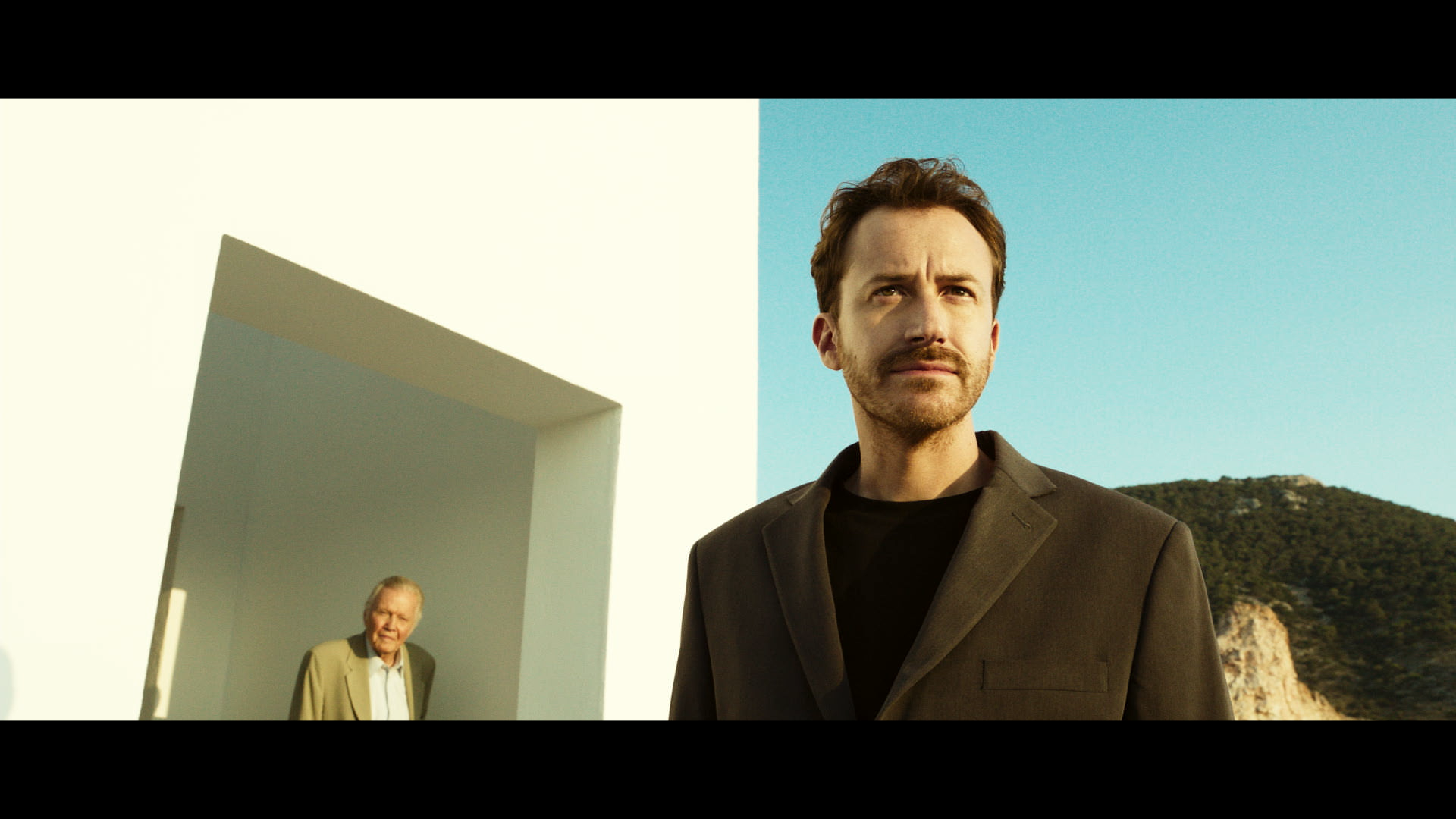
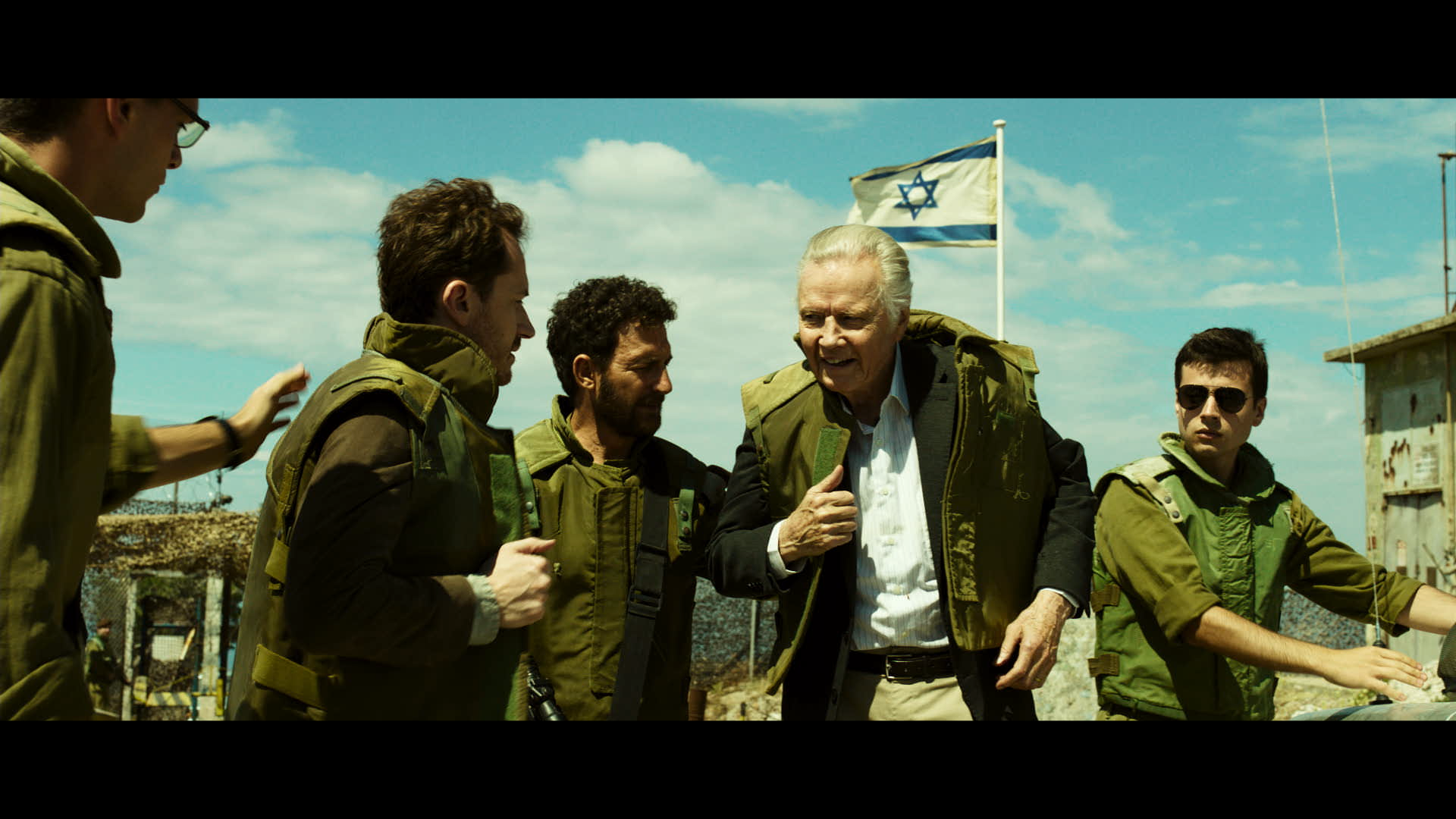
Monument chronicles a formative chapter in the early career of celebrated and award-winning Israeli architect Amnon Rechter, set against the final year of the South Lebanon conflict between Rechter’s native country and its northern neighbor. Played by Joseph Mazzello of The Social Network and Bohemian Rhapsody, Amnon is the third generation of Rechter men to lead the oldest architectural firm in Israel. In 1999, as the heir apparent to his father, Yakov (Academy Award winner Jon Voight), the father-and-son team is tasked with creating a memorial to fallen Lebanese soldiers.
LESSON #1: IS THE ARTIST MORE IMPORTANT THAN THE ART?— Aptly titled as it may be in the most basic sense, the historical story told by Bryan Singer’s Monument prompts the question. What is more important: the creation or the creator? While we could open that very debate to a movie and its director—especially this one returning to the director’s chair for his first feature in a tumultuous eight years—this film focuses on the field of architecture. So, more specifically, does the created structure matter more than the artist who conceived the design?
Considering the state of those countries today, 27 years after the events depicted in the film, emphasizing the symbol of a memorial—something promising to be permanent and reverential, for a change—over the perspective of its key creators would likely be the more impactful course of action. Monument skews opposite, and finds itself in that very uncertain rut, both between the central architect and his important project and, externally, the storytelling yield of Bryan Singer.
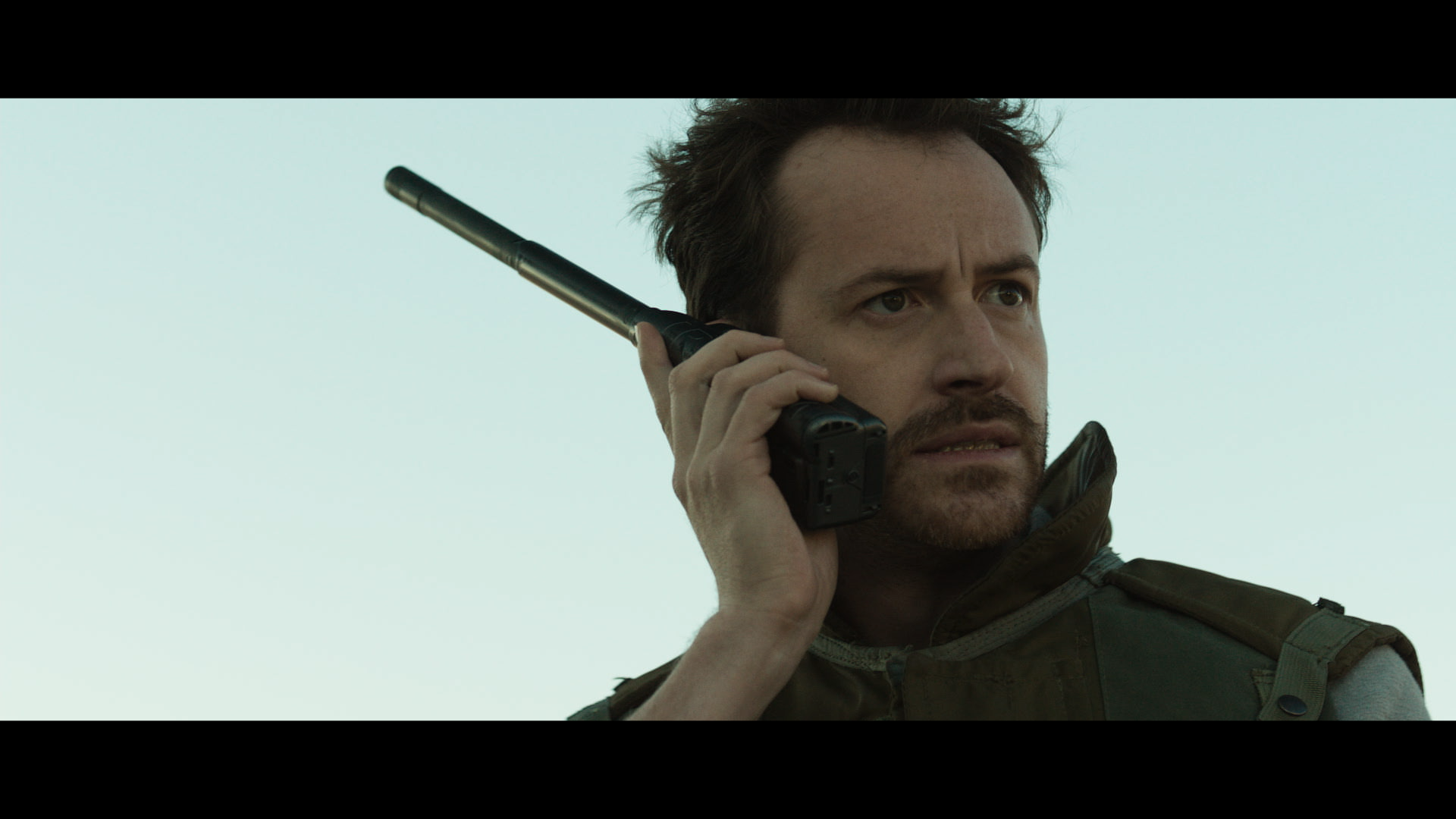
Monument auspiciously begins bigger than itself with an intense and informative introduction. A convoy of cars armed to the teeth and wired with a pin cushion of antennas to deflect missile targeting is shown venturing on the “Death Road” entering Lebanon from the Fatima Gate’s “Good Fence Crossing” near Metula in Israel. A harrowing tone is set right away with a deadly demonstration of slender margins between security and calamity. A quick newscast montage primer of the conflict’s two-decade history set to Radiohead’s electronic beats of “Everything in Its Right Place,” culminating with the transfer of power and goals between the incoming Ehud Barak and exiting Benjamin Netanyahu, continues that edge.
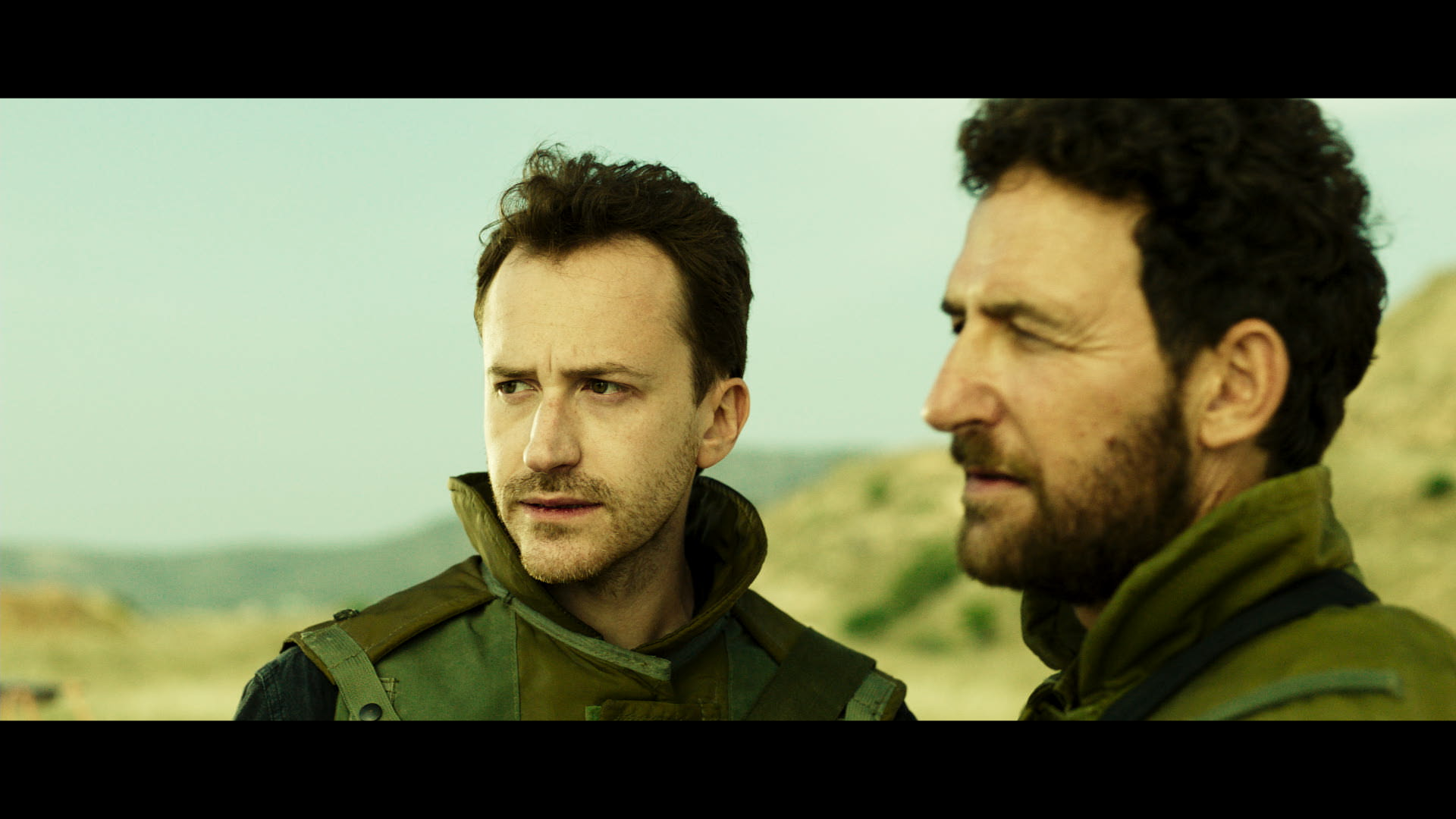
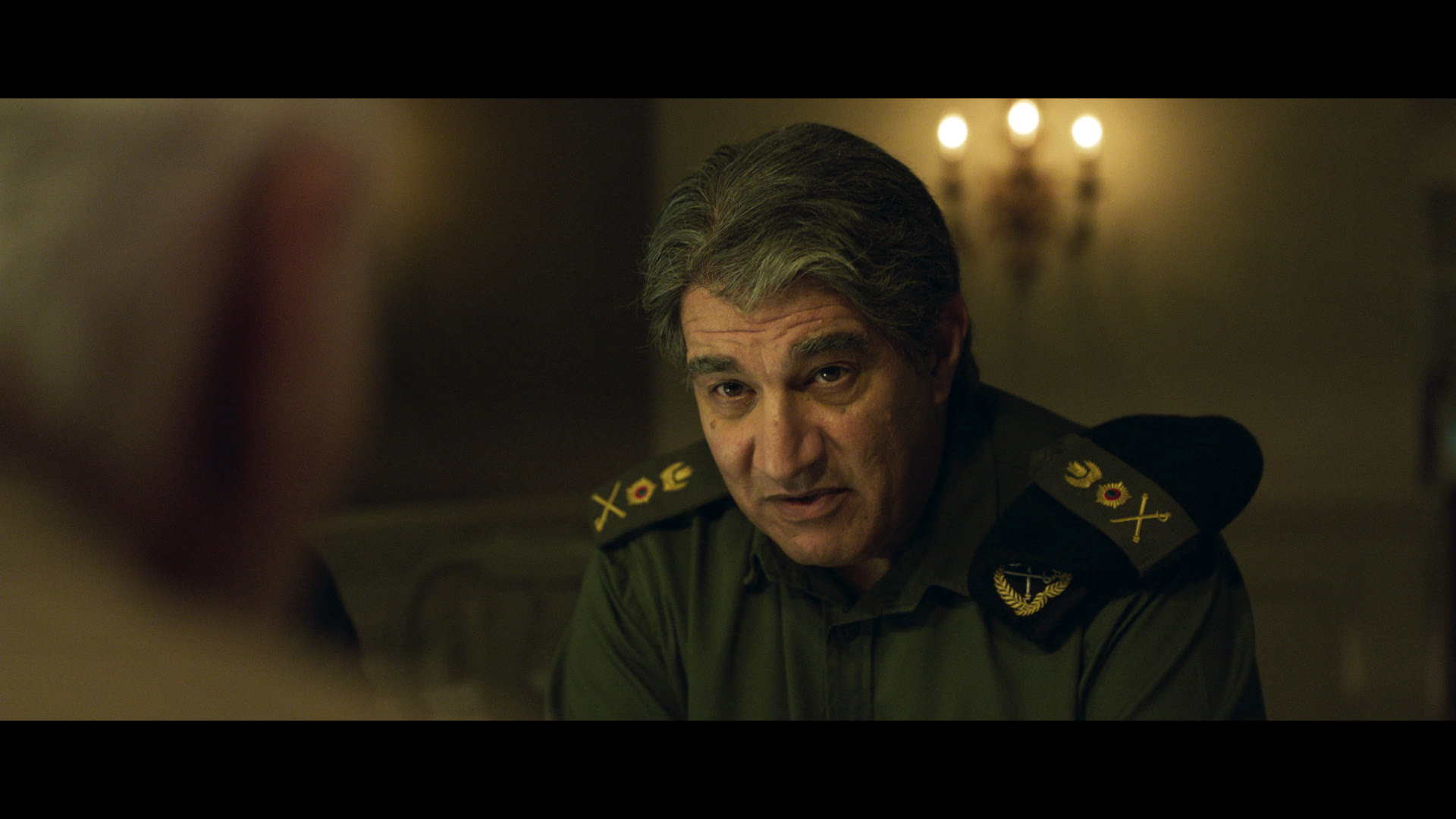
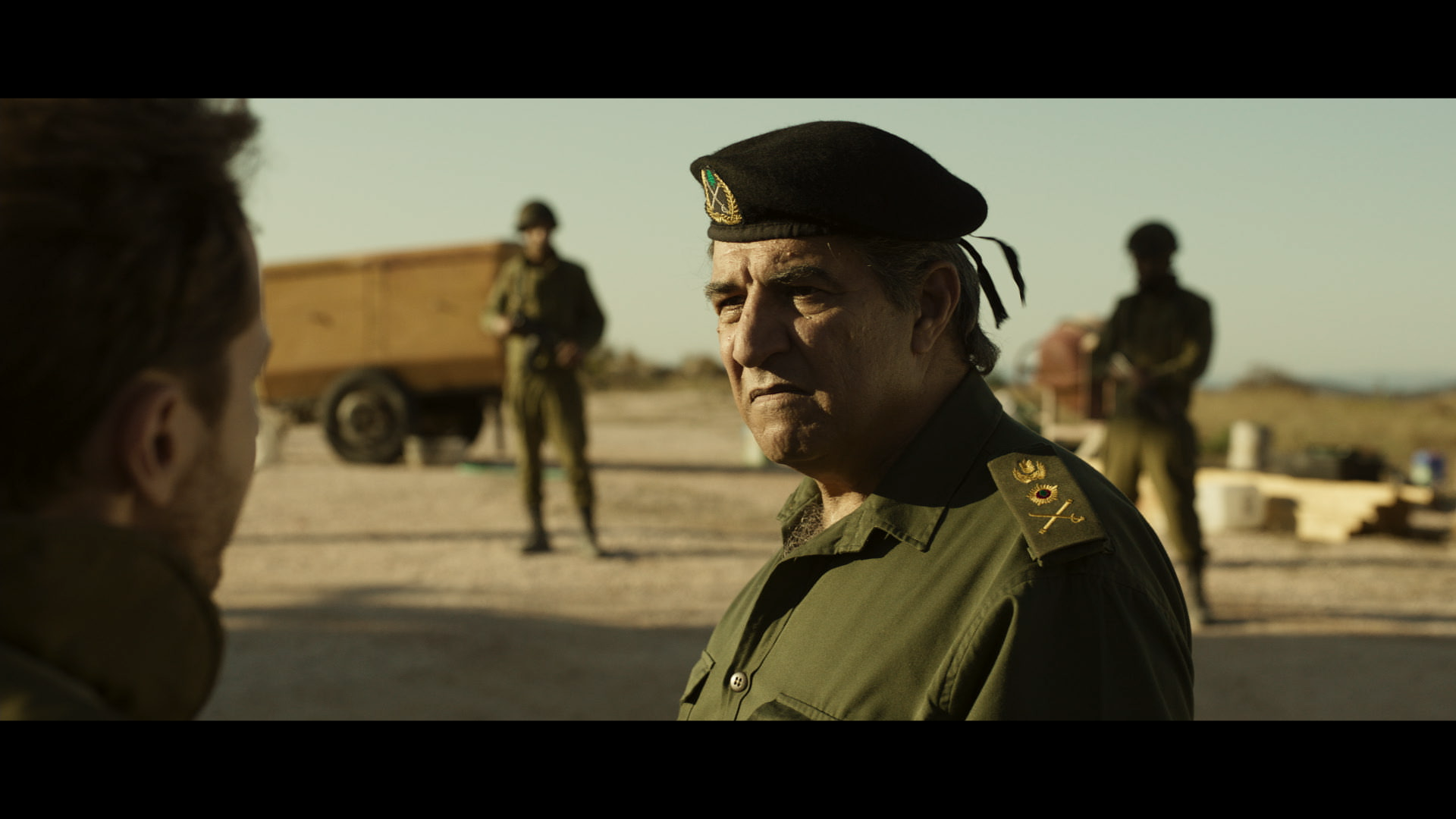
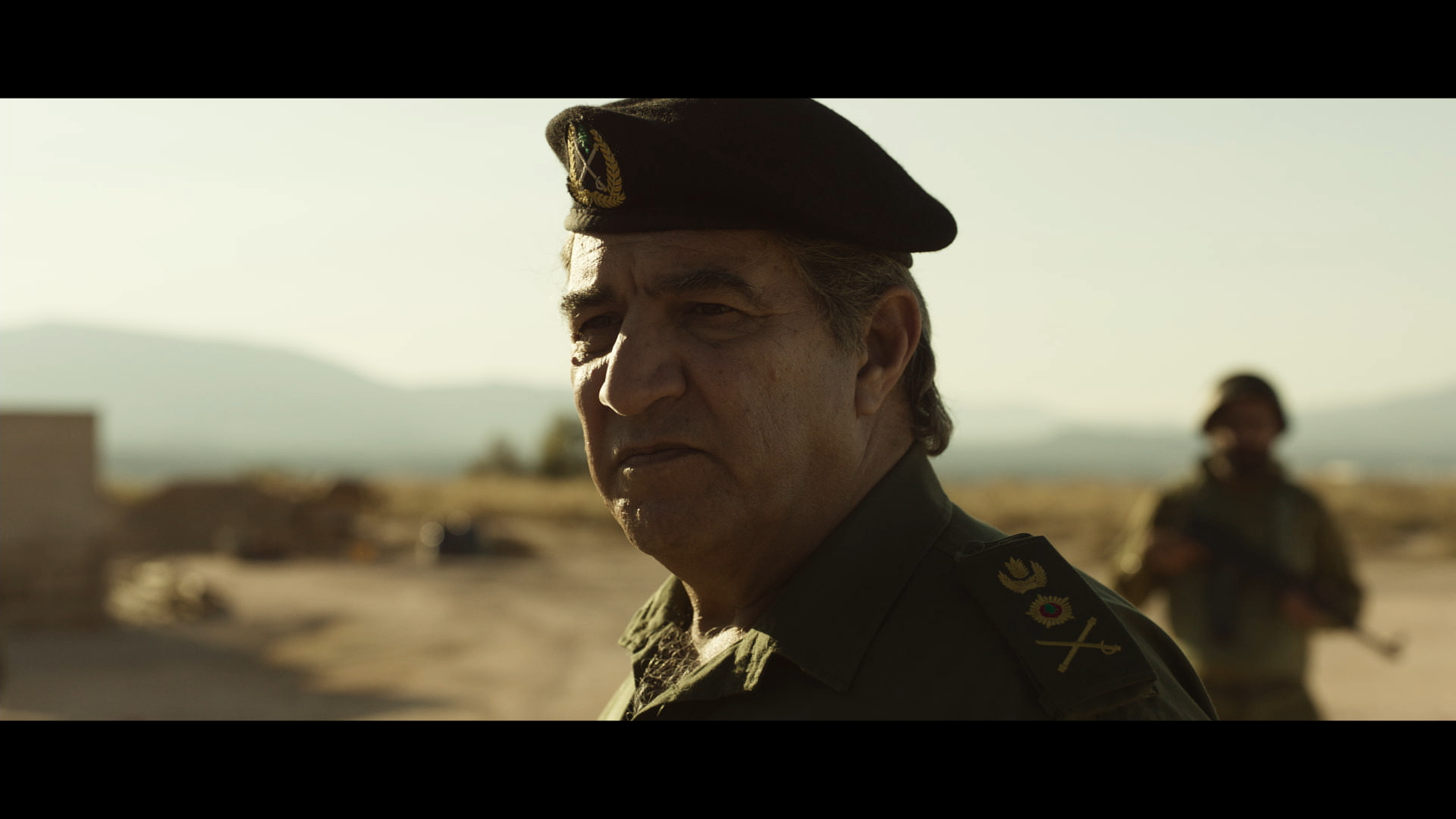
The setup is present to dissect that era and go deeper, but Monument chooses its little-told human interest story as its spine. Yakov and Amnon are summoned by a military spokesman (the late Alon Aboutboul) to a private meeting with South Lebanese Army leader Antoine Lahad (TV actor Igal Naor) with the memorial pitch. The senior Yakov knows not to say no to this type of request, but receives a strong initial refusal from Amnon, citing his personal and political opposition to supporting anything dealing with Lebanon and this war.
LESSON #2: APPLYING CREATIVE FREEDOM— Amnon’s top condition for accepting the monument project is the creative license to plan an inter-faith structure that acknowledges and honors both the Christian and Muslim losses of the war. He intends the memorial to be a sorely-needed oasis of peace in the region. With great surprise, Lahad accepts Amnon’s controversial design, granting the protagonist the justification and motivation necessary to complete this arduous build.
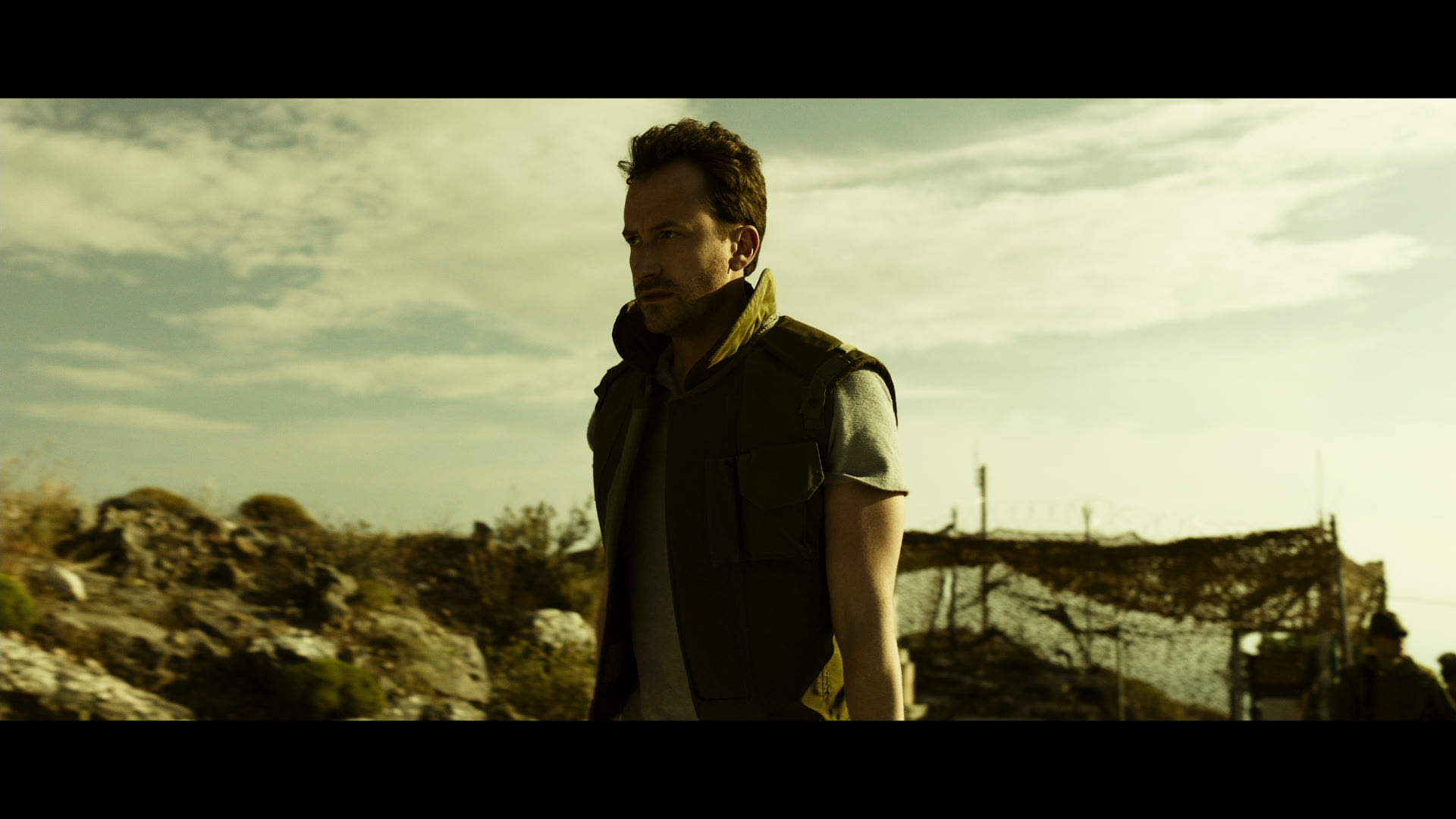
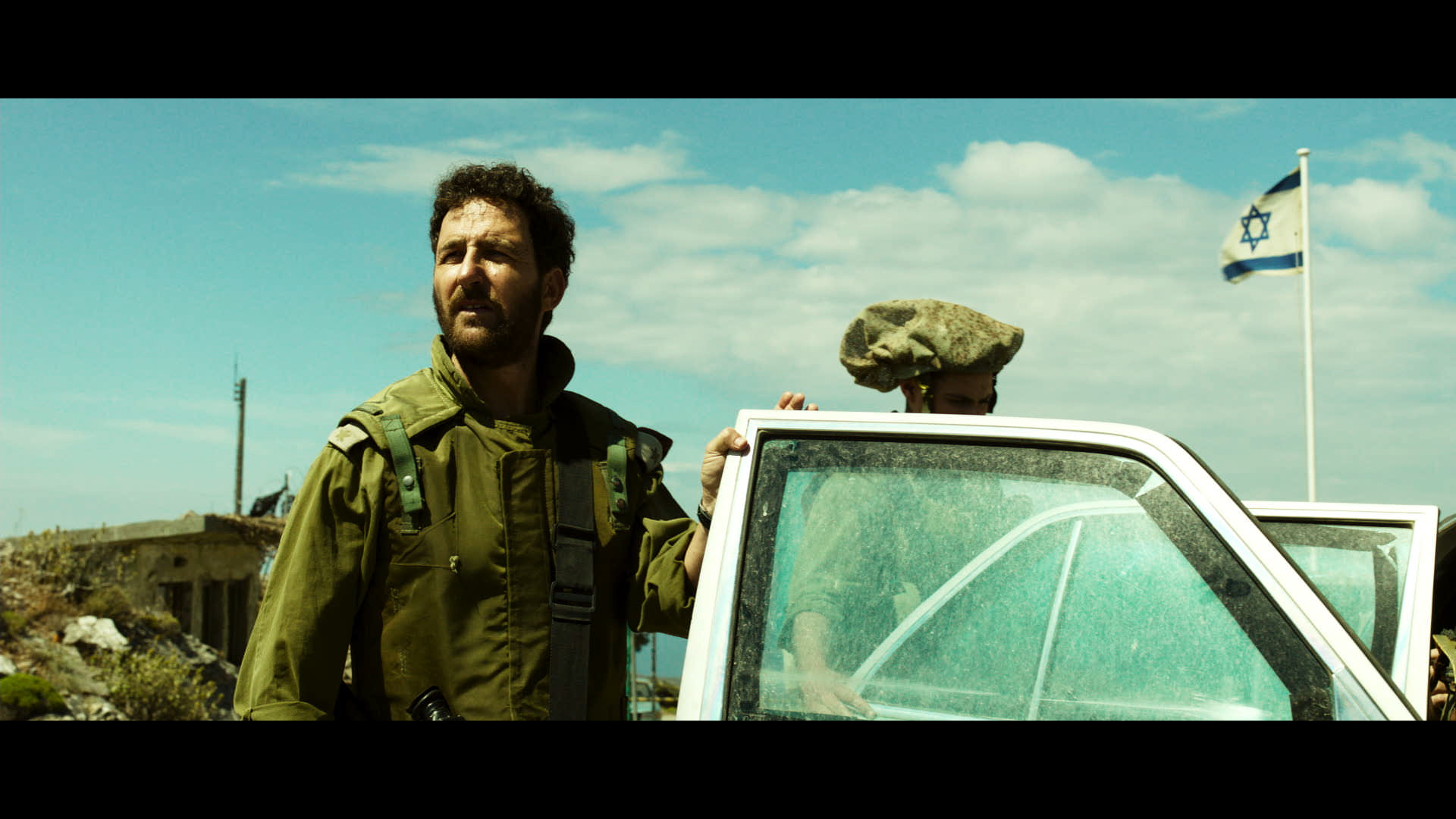
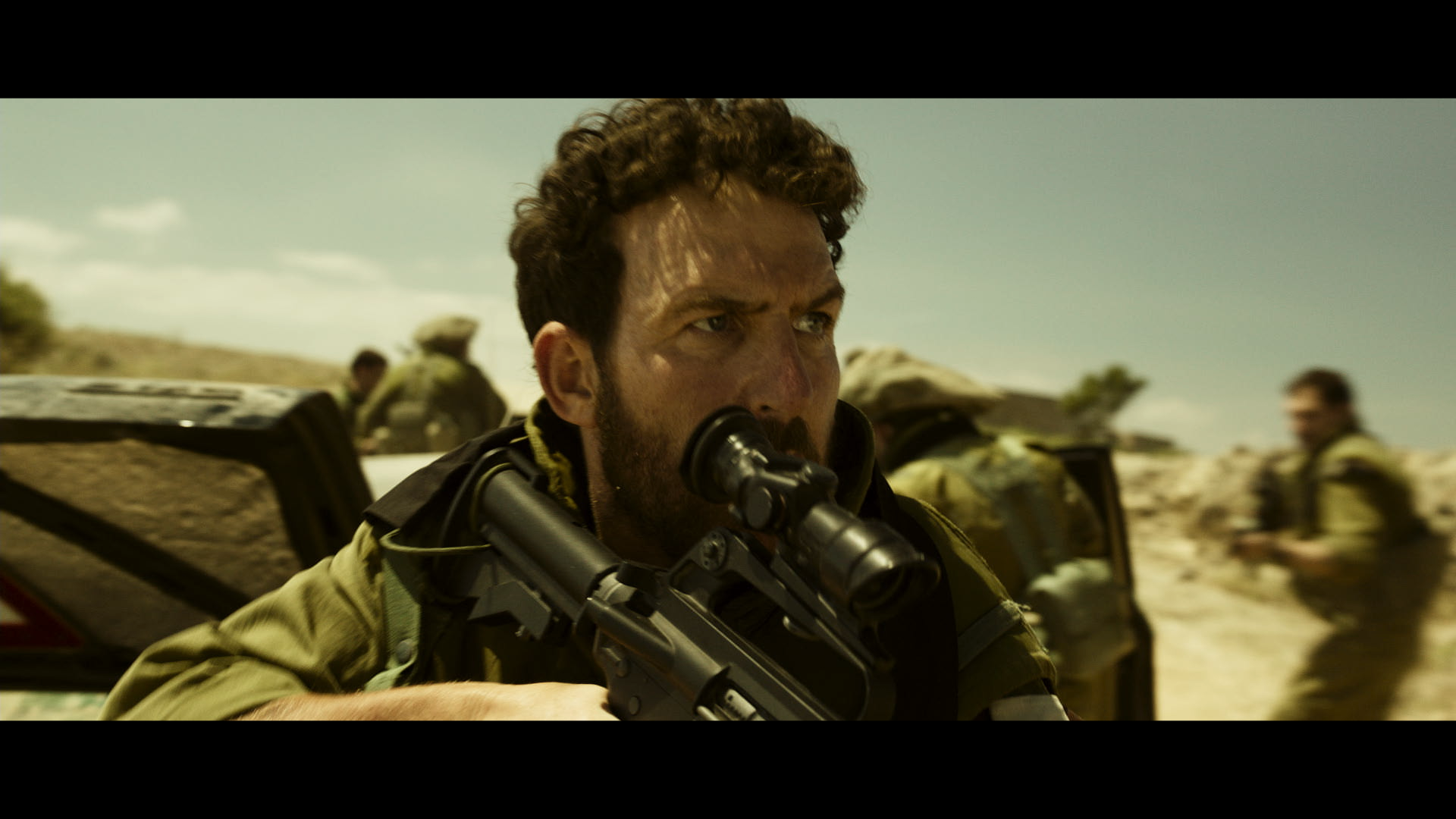
From there, the suspense in Monument is not so much in conveying the power of the symbol being built. Instead, it is how many times Amnon and Yakov can survive the trip across the Fatima Gate and down the Death Road for their work. These escorted rides, led by security lead Ben Brodesky (Ori Pfeffer of Hacksaw Ridge), allow Singer to flaunt a low-level of his action chops with solid editing and blends between ominous drone photography above the action and tight camerawork on the road. That said, like many people working jobs of whatever sort, the same commute can get repetitive.
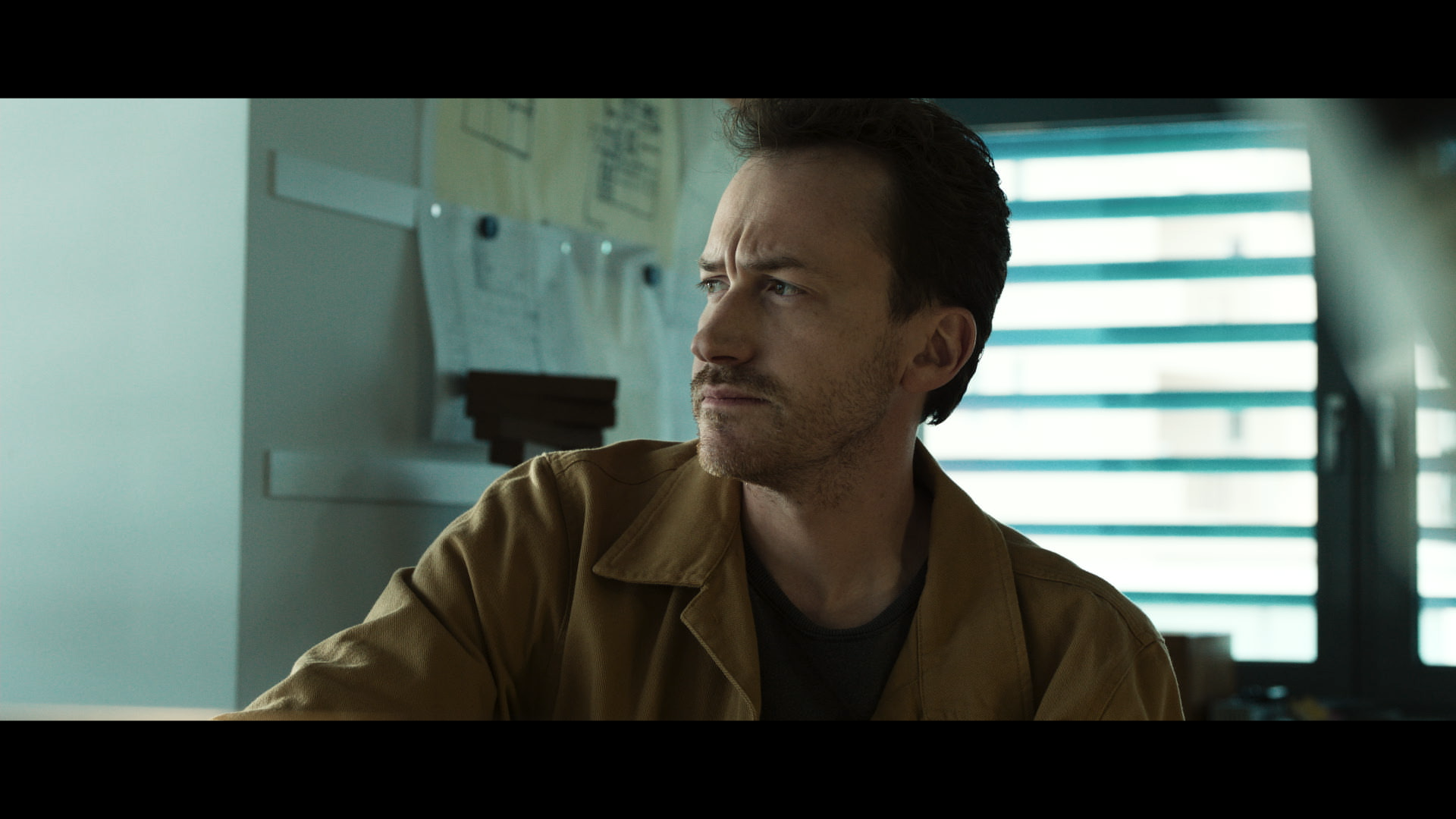
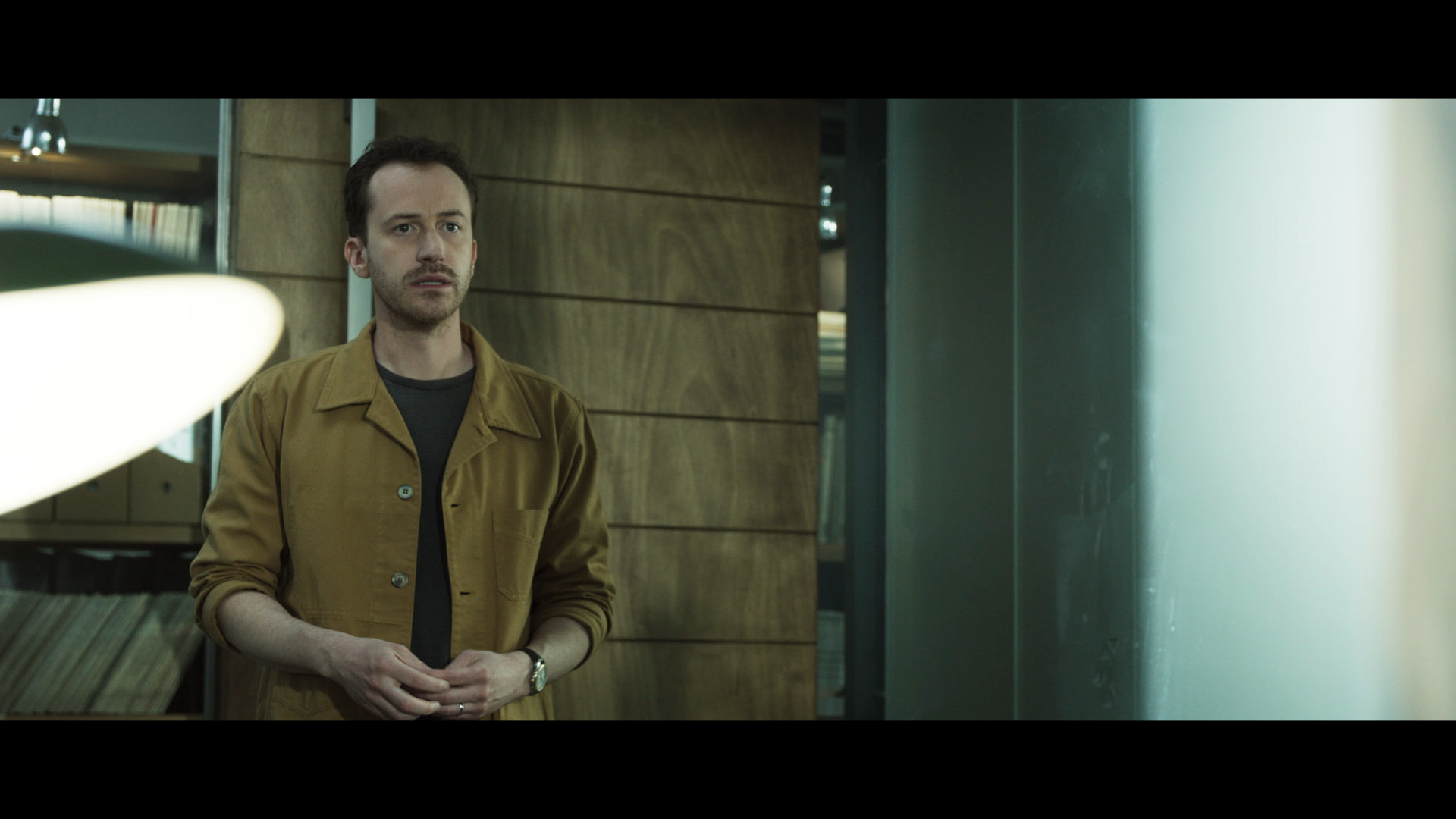
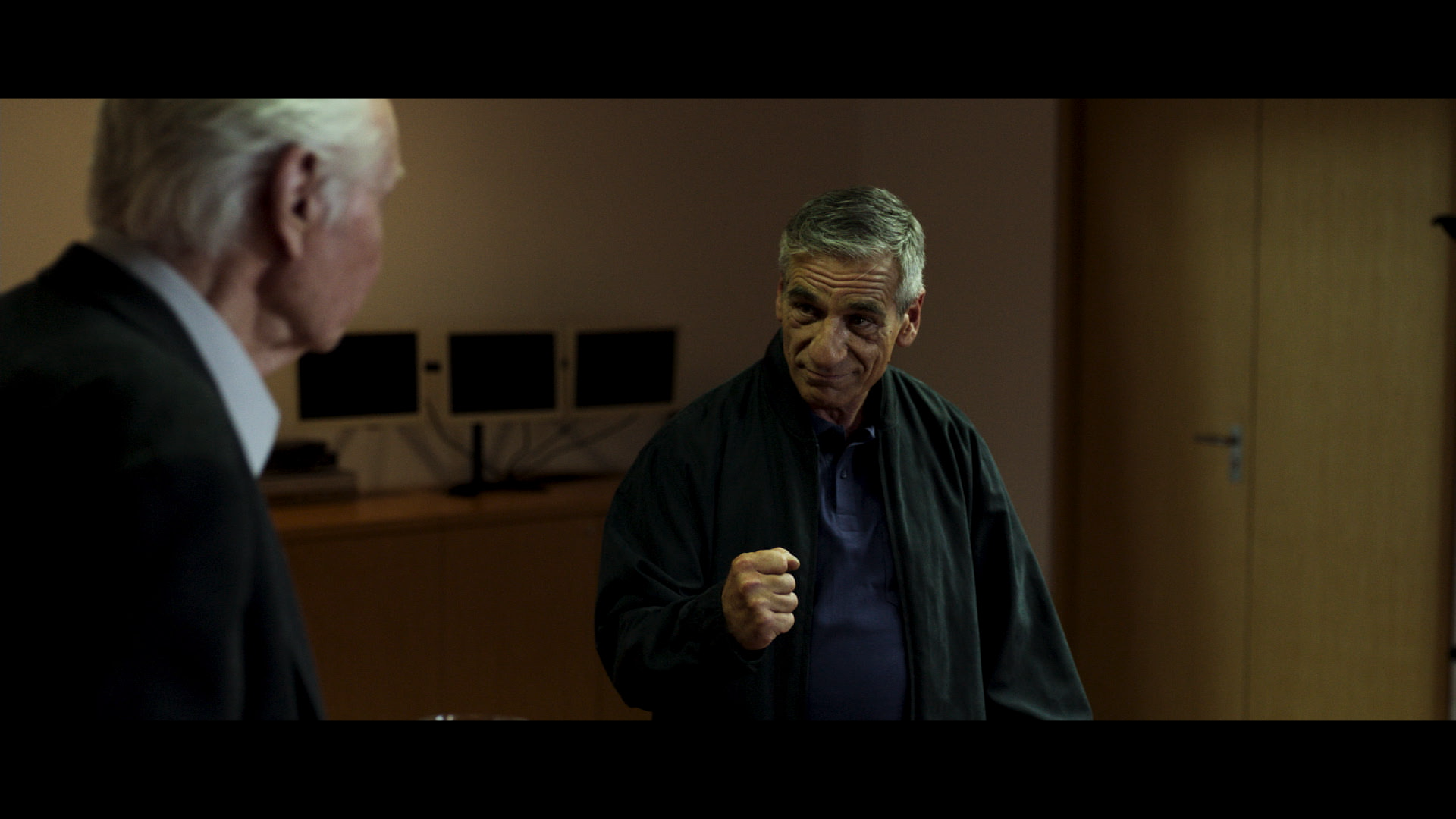
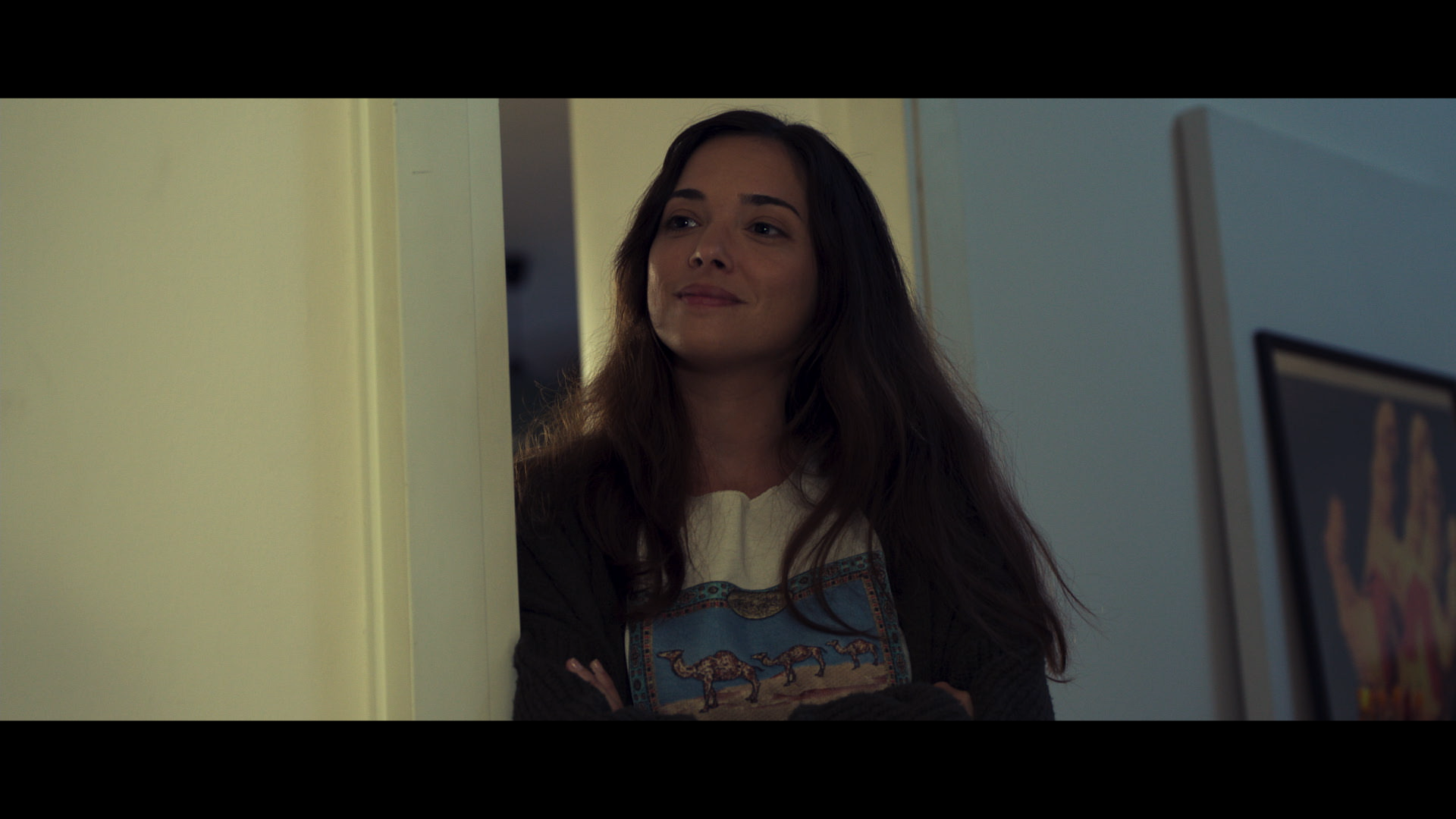
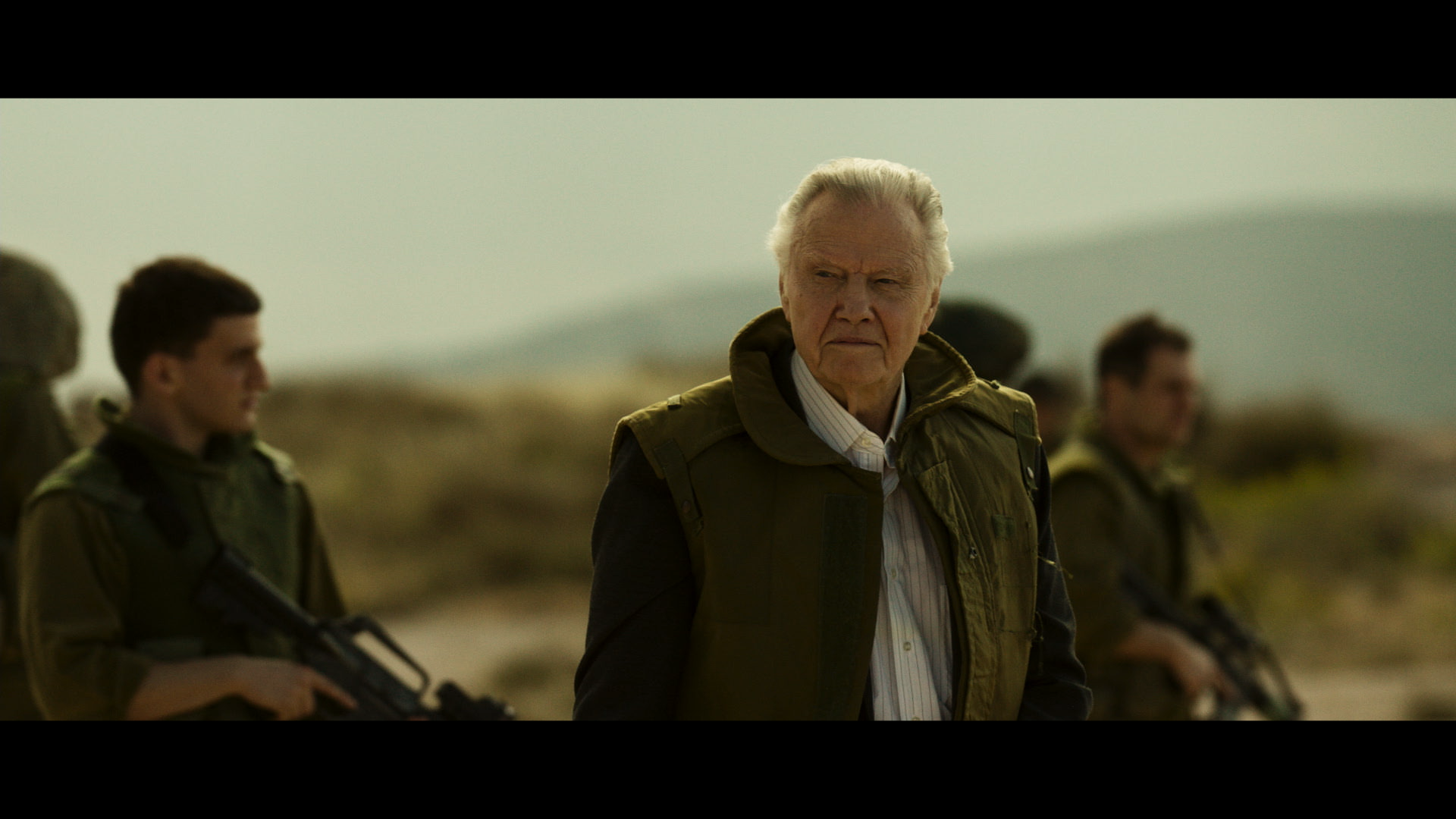
Likewise, too much of the domestic life portions of the Rechter’s dominate Monument’s emotions and running time. After the Death Road, the second biggest source of drama is how long Amnon can keep this project and the problematic identity of the client it serves from his equally progressive wife, Osnat (The Stronghold’s Aviv Pinkas, given little to do but wait up and argue). Third would be the bum shoulder and terminal cancer diagnosis that let Jon Voight be a soft sage presence slowed with winces and ticks for performative effect. Though it comes from decent effort by an actor not typically given leading man parts, Joseph Mazzello’s portrayal of reacting to the hurdles in front of him vacillates wildly from an obsessed artist driven by high goals to a neurotic and careless liability, creating unnecessary risks for anyone close enough to be his collateral damage.
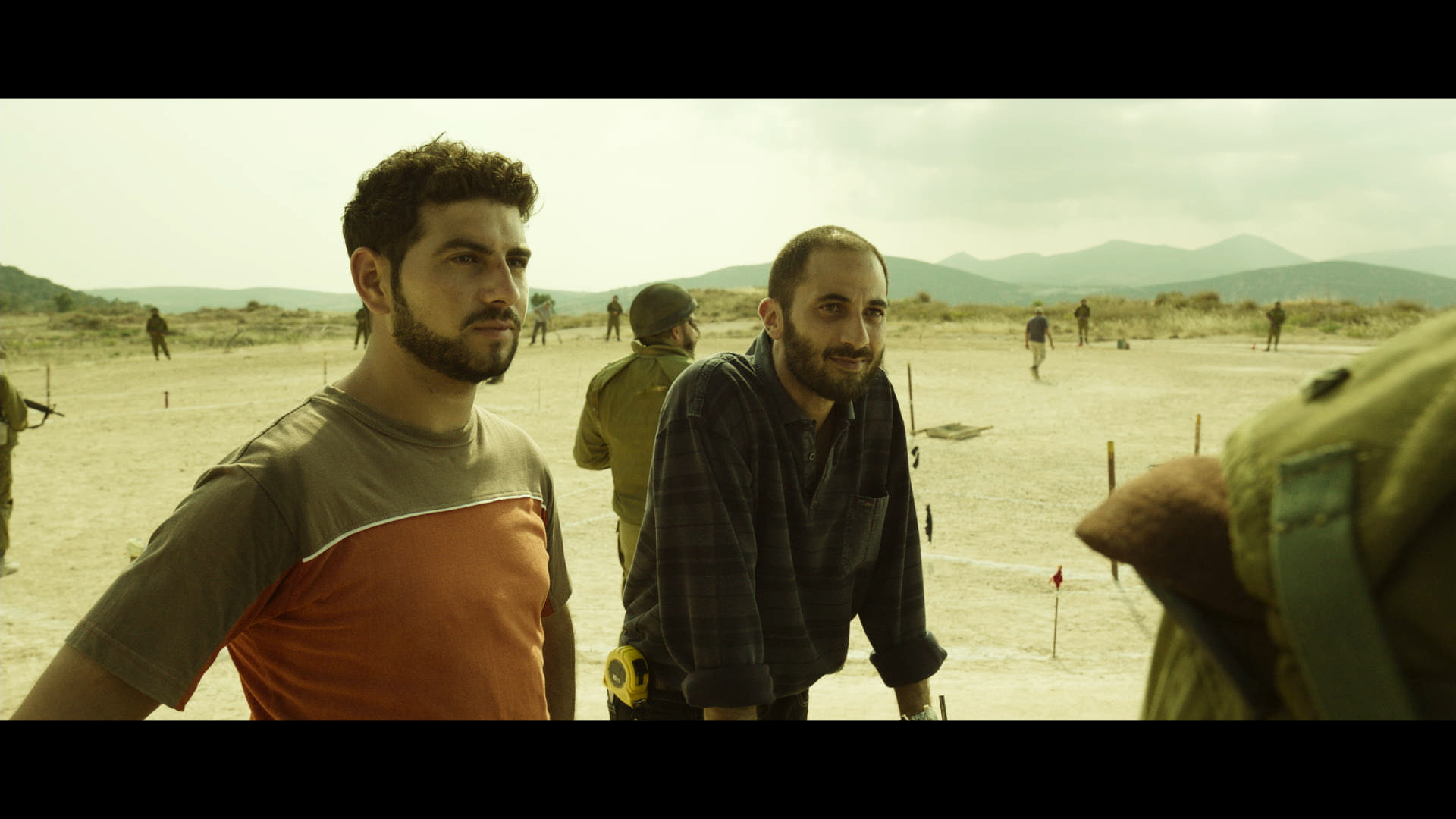
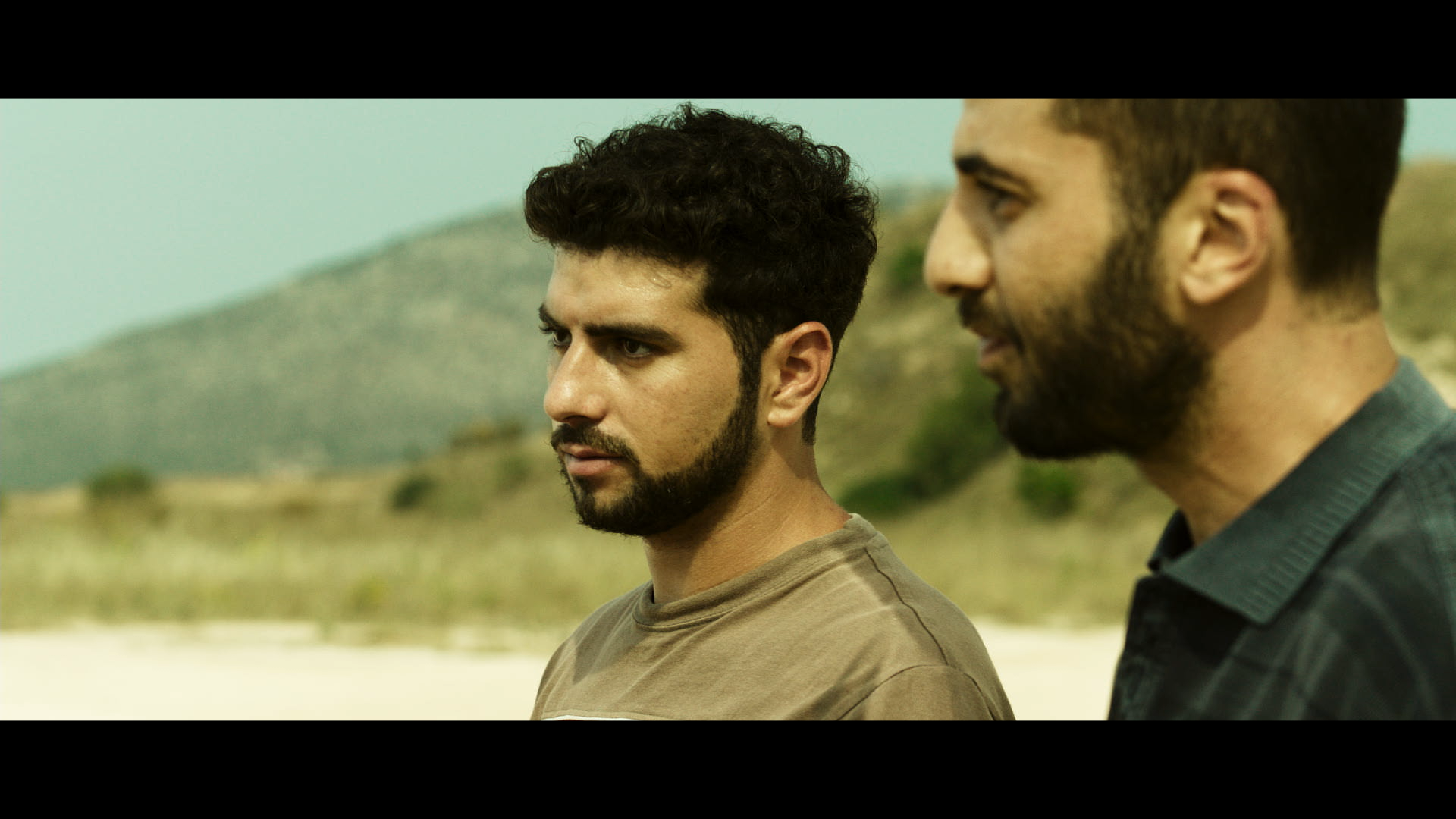
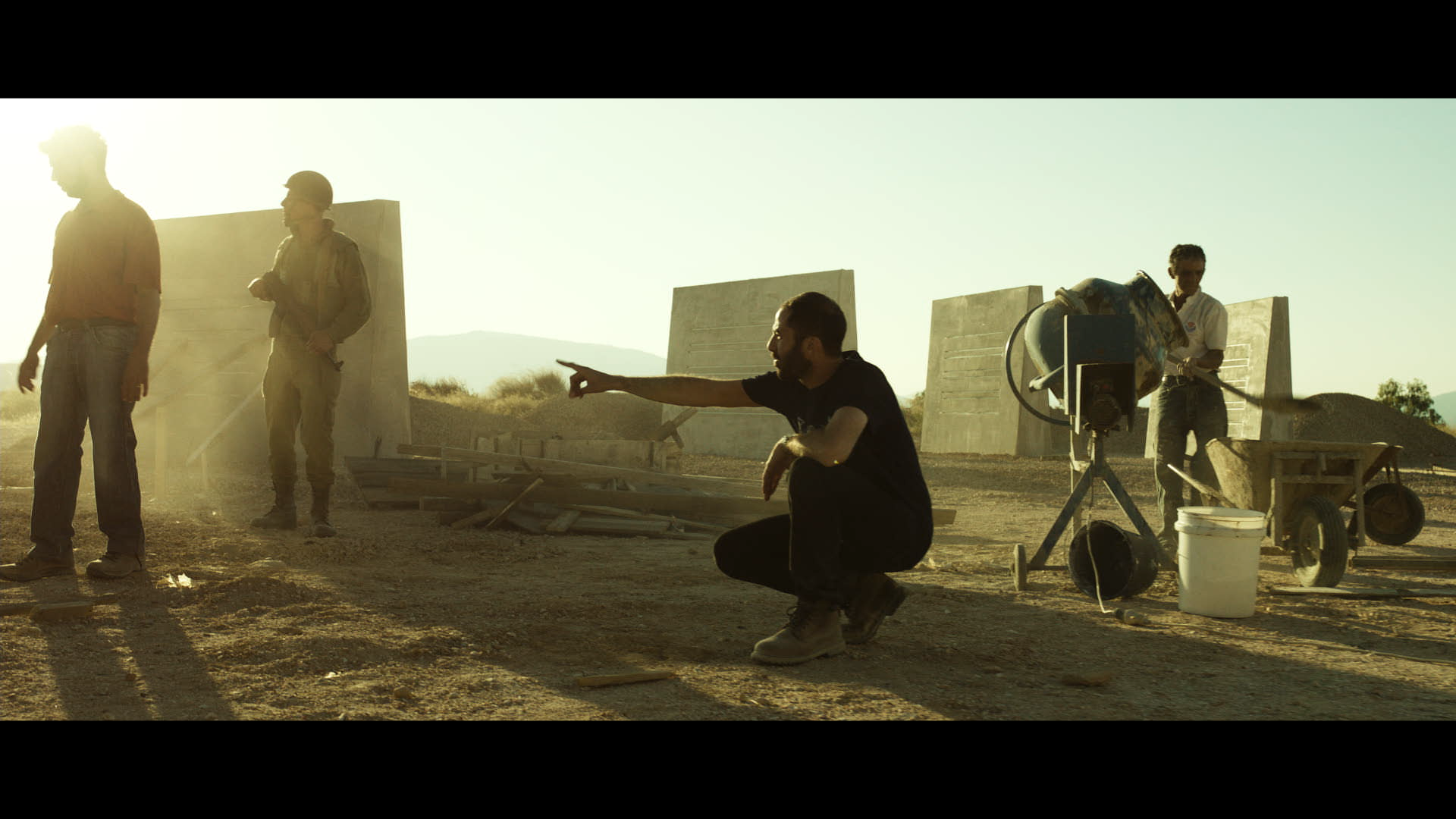
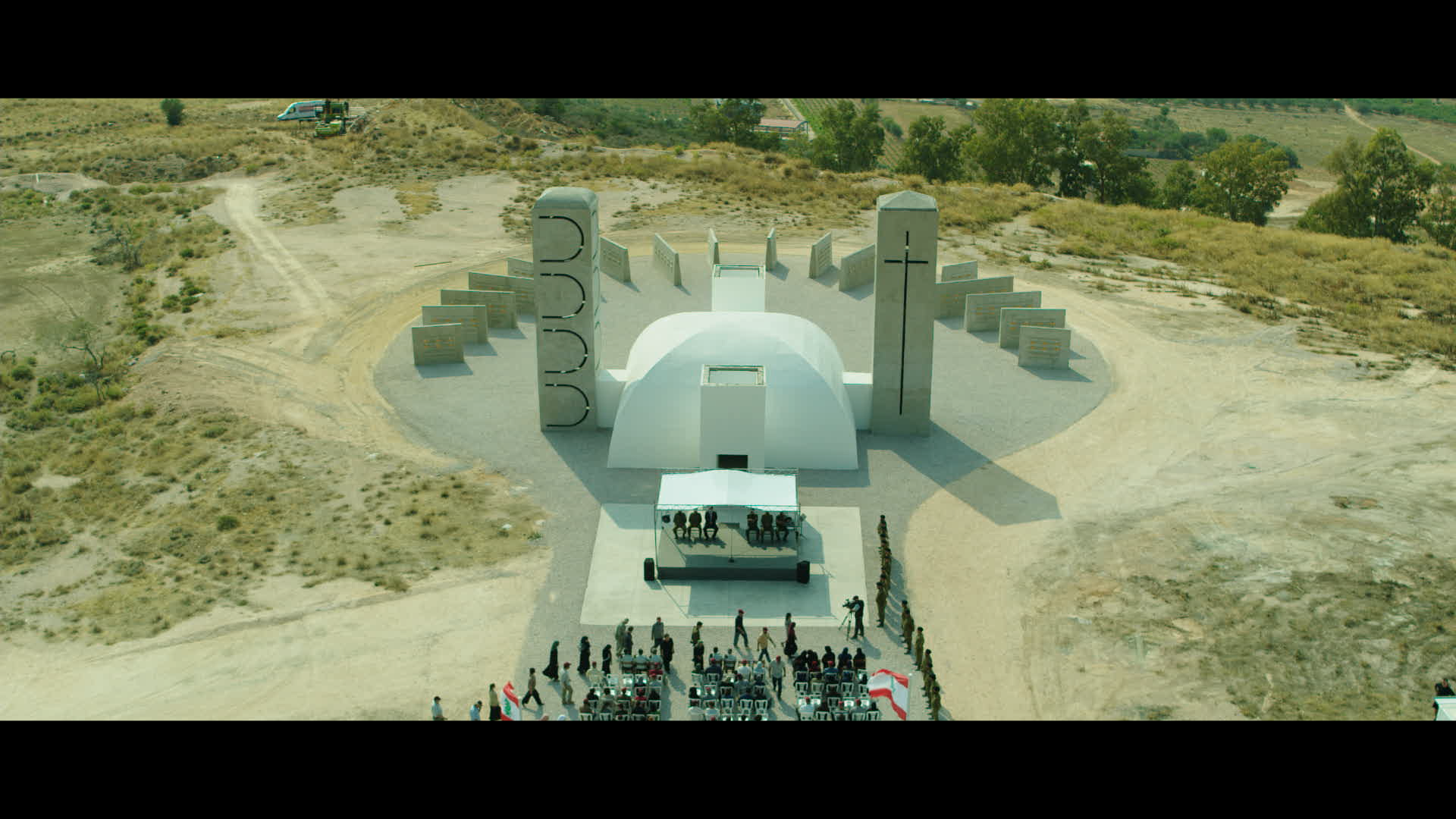
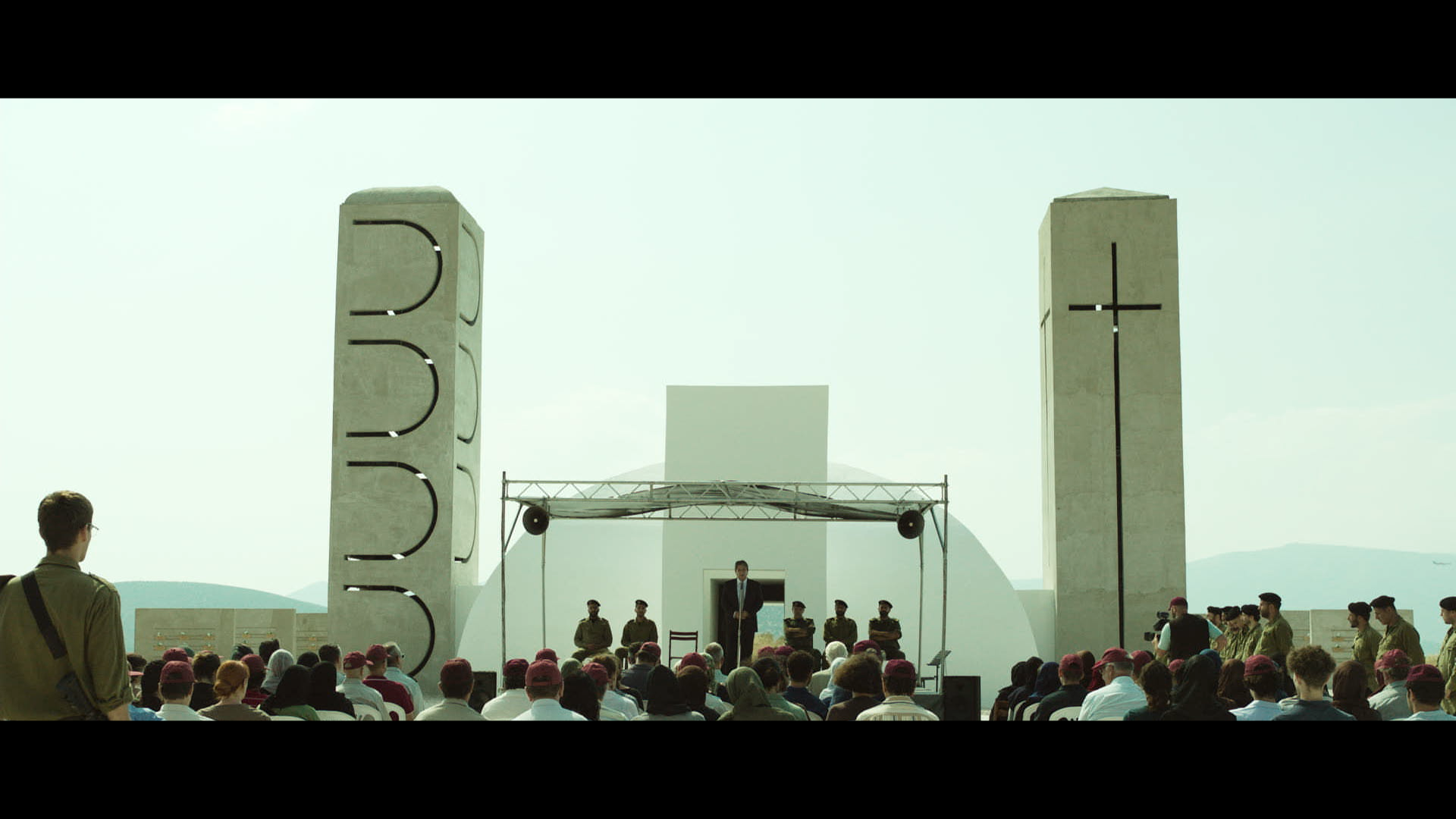
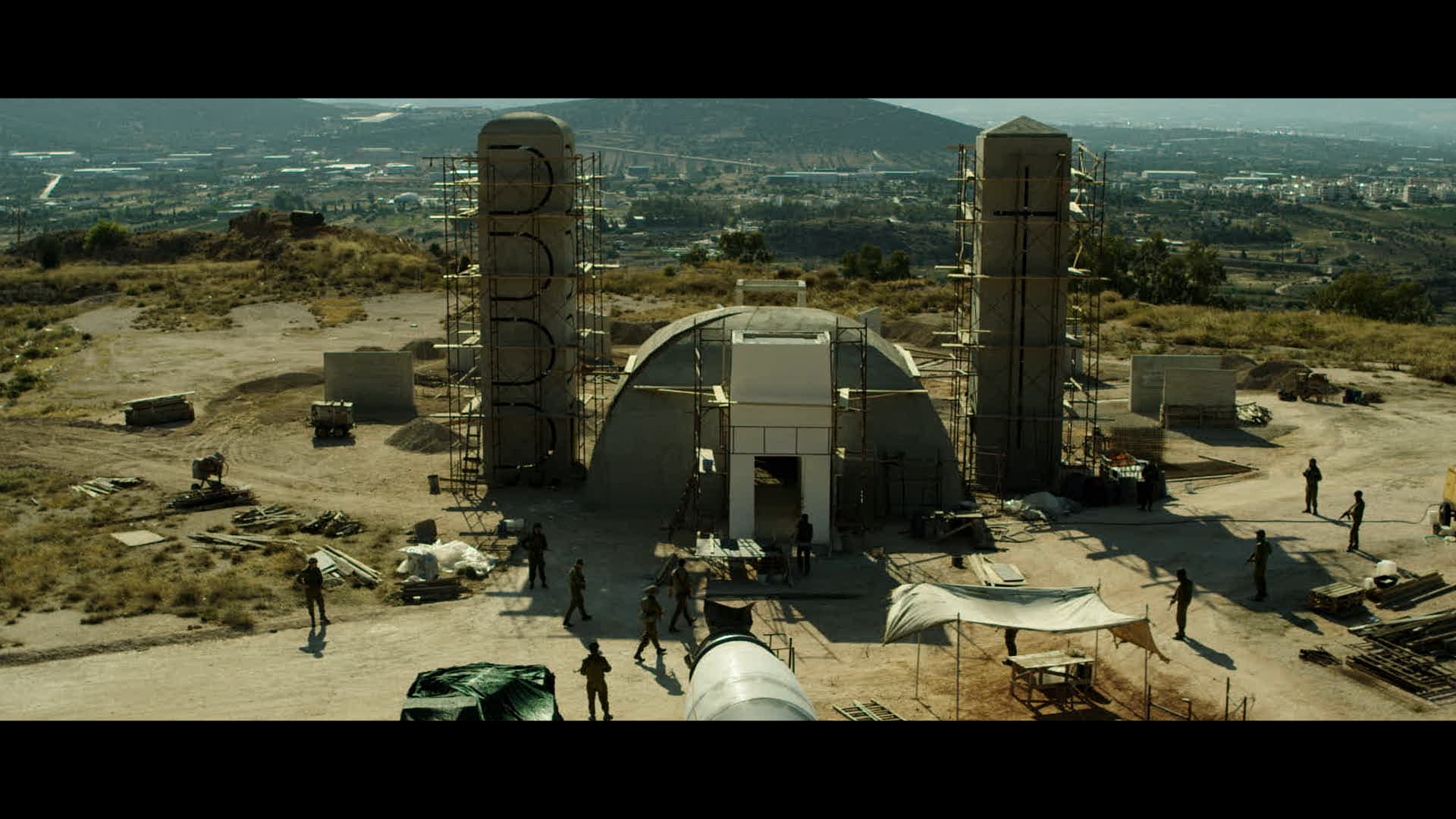
Once the faithfully recreated monument—assembled by a crack production design team in the Grecian filming locations outside Athens, standing in for Lebanon—starts to take shape, that sense of an incomplete larger meaning grows with it. When Amnon becomes close with the two lead brother builders (newcomer Firas Mana and Riyad Sliman of In Between, respectively), hoping to flee South Lebanon, another opportunity is missed by Singer and writer Alena Alova to present a more intimate and rooted story. If the local sacrifices and beleaguered survival are indeed the uniting purposes of the architectural art in question over a son’s legacy to his father, showcase those more than the privileged head case making it. Think that “ride to work” is difficult? Live in it day after day. More can be stressed in that department, and more empathy is waiting to be discovered.
LESSON #3: DIVORCE THE POLITICS— The last and necessary statement about Monument is a word of caution to do one’s best to divorce the politics. In the film, a few characters state, “When the politics change, the monument changes,” and “memory is propaganda.” Those are correct, mindful assessments planted during the movie, but they also constitute talking points for those now itching to project the past shown to the present strife still raging in the region, or the reputation of the “acclaimed director” billed on the poster. Let the movie and its highlighted history come to you unencumbered for an honest chance.

LOGO DESIGNED BY MEENTS ILLUSTRATED (#1381)
