MOVIE REVIEW: Last Ride
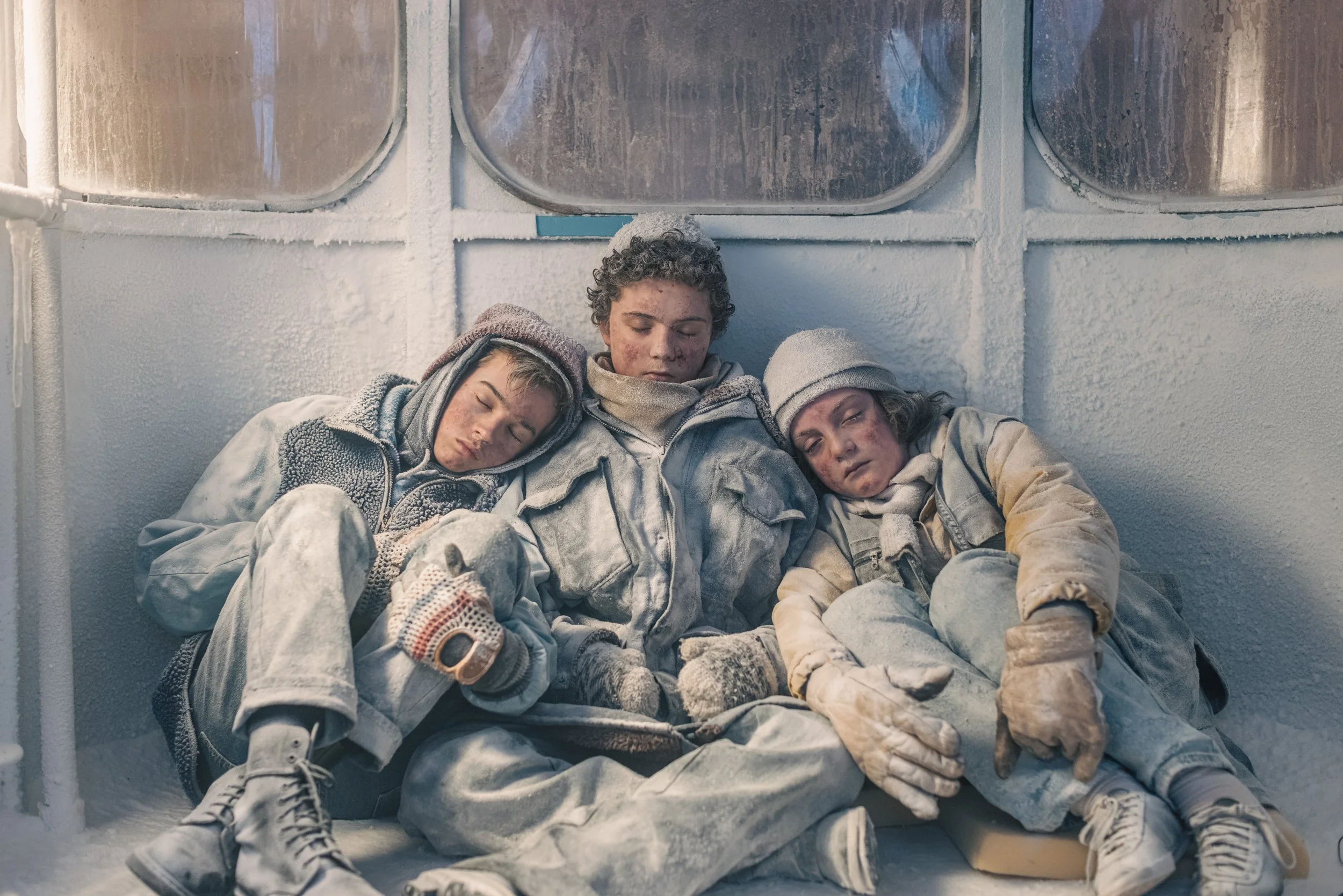
Image courtesy of Quiver Distribution
LAST RIDE— 3 STARS
Thankfully, teenagers are very rarely faced with life-and-death situations. More often than not, they are shielded and protected like children. The surrounding adults in society tend to make sure they live on. While teens are growing greatly in mental and physical maturity, we don’t test their mindsets or levels of courage with such morbid decisions. Writer-director Cinqué Lee’s Last Ride takes that very dare with an admirable measure of materiality and sorrow.
The central plot of Last Ride takes place in March of 1982. Three teen friends, Sid, Jamie, and Devin, on holiday in Vargøy, Norway—played by Felix Jamieson of TV’s Raised by Wolves, The Great’s Charlie Price, and Jojo Rabbit breakout Roman Griffin Davis, respectively—decide to take a cable car ride up to the scenic summit of a nearby mountain. To enjoy this excursion, the boys need to rouse a hungover driver named Øyvind (Kristofer Hivju of Force Majeure and Game of Thrones fame) to operate the lift. In an energetic moment, he and the boys bond over their shared love of The Clash, belting out the lyrics to “London Calling” together.
All is well until, unexpectedly, something strange and colorful about the sky causes an instantaneous and widespread blackout across the city and countryside below them. Accompanying this blackout is a massive power surge, which sizzles and pops anything with a circuit or battery, including the pacemaker in Øyvind’s chest. As he drops dead in front of them, the three young men find themselves stuck in this gondola with no motor, electricity, heat, or food, and suspended hundreds of feet high and from either end of the cable car line.
LESSON #1: THE IMMEDIATE SHOCK OF AN ACCIDENT— In the moments after this catastrophe in Last Ride, shock sets in. One of them tries the gestures of CPR they saw on television once, to no avail, while the other two are freaked out by the wide-eyed corpse. One immediately jumps to the historical events he read in Piers Paul Read’s non-fiction 1974 novel Alive: The Story of the Andes Survivors as he ponders with panic their need for potential cannibalism to survive. Their unfiltered minds are racing, and the effect is tangible.
You see, since the beginning of Last Ride, this entire ordeal is being told in flashback decades later by an unnamed and heavily intoxicated middle-aged man (Gustaf Skarsgård from Oppenheimer and the same storied cinematic family as his current Oscar-nominated father, Stellan), trying to drag his disinterested punk-clad teenage son (Samuel Paul Small of The Strays) and drug dealer (BlacKkKlansman's heavy, Jasper Pääkkönen, in a bit of a waste of a role) to ride this same cable car and finish what was started years ago. The man carries Øyvind’s now-recognizable canteen flask. He’s a survivor, and maybe the only one of the three, teasing a resolution saved for the end of the movie.
Spending the bulk of its running time off the bookend device and in 1982, the reactions and ensuing scenes pivot Last Ride into a bottle movie with understated thriller nerves. As new challenges transpire, film viewers immediately question how they would respond and act in the same predicament. That’s the intangible engagement of such a movie. However, the strength of this particular film becomes the honest reality written by Cinqué Lee, of all people, a 59-year-old man and brother of Spike Lee, to portray a unique teenage response.
LESSON #2: WHAT WOULD A TEEN DO IN THIS SITUATION?— Adults with more life experience might lean on pragmatism, but what would a teen do in this life-or-death situation? What is their realistic capacity for courage? What do they care about when faced with grim stakes? Last Ride takes us into that mindset as the hours and days grow longer for Devin, Sid, and Jamie, and the results are endearing as they are difficult.
Now, being written by a seasoned adult, Last Ride could have easily included too much monologuing or wordy asides that would have made the dialogue delivered by the principal teens sound far too composed or sophisticated for people their age. Instead, the exchanges between David, Jamieson, and Price blend potty-mouthed dissonance giving way to unexpectedly measured pathos of camaraderie. In one moment, they’re working on hope for their parents and MacGyver-like fixes and hacks to better their conditions. In the next, they rest to bond further, soaking in the northern lights surrounding their present horror.
That said, the celestial event mumbo jumbo that triggers Last Ride is a more than little thin and hokey, but the aurora borealis-rich, special effects-created backdrops do add a little flair and color to the picture enclosed and frosted with snow and steel. If there is another glaring negative, it’s the framing device performances from Gustaf Skarsgård and Samuel Paul Small. Their piece of the story is rooted in conveniently curing petulance and exhausted regret that feel opposite to the organic resolve forged in the reminisced tragedy. More than anything, they take us away from the characters we grow to love.
LESSON #3: “WE’RE GOING TO HANDLE WHATEVER HAPPENS TOGETHER”— Among the three teens, Felix Jamieson’s Sid emerges as an individual willing to make extra sacrifices for his friends. After a few rounds of “We’re not supposed to be here,” there’s a middle moment where Sid declares they stop making excuses and shares the line, “We’re going to handle whatever happens together.” The wording and meaning of that is outstanding. When the choices get harder, the togetherness isn’t broken. To hear a teenager say “I don’t care if I die” and truly mean it with importance for the person next to them is a hell of a thing.
After that rallying declaration, some apologies follow, packed with guilt and regret, but they are not accepted. The boys emerge to not allow for backbiting or a breakdown of mutual loyalty. Joining Jamieson, Roman Griffin Davis and Charlie Price claim their wedges of Last Ride’s heart and soul. That positive togetherness among solid friends is your stamped answer to Lesson #2. The small yet serious life-and-death situation does not need an extra roller coaster. This is a keen balance in a film that is rightly not trying to create pitfalls to rattle cinematic seismometers for the action junkies because the wisening emotions displayed are more than enough.

LOGO DESIGNED BY MEENTS ILLUSTRATED (#1374)
