
MOVIE REVIEW: The Plea
Images courtesy of the Woodstock Film Festival
THE PLEA— 4 STARS
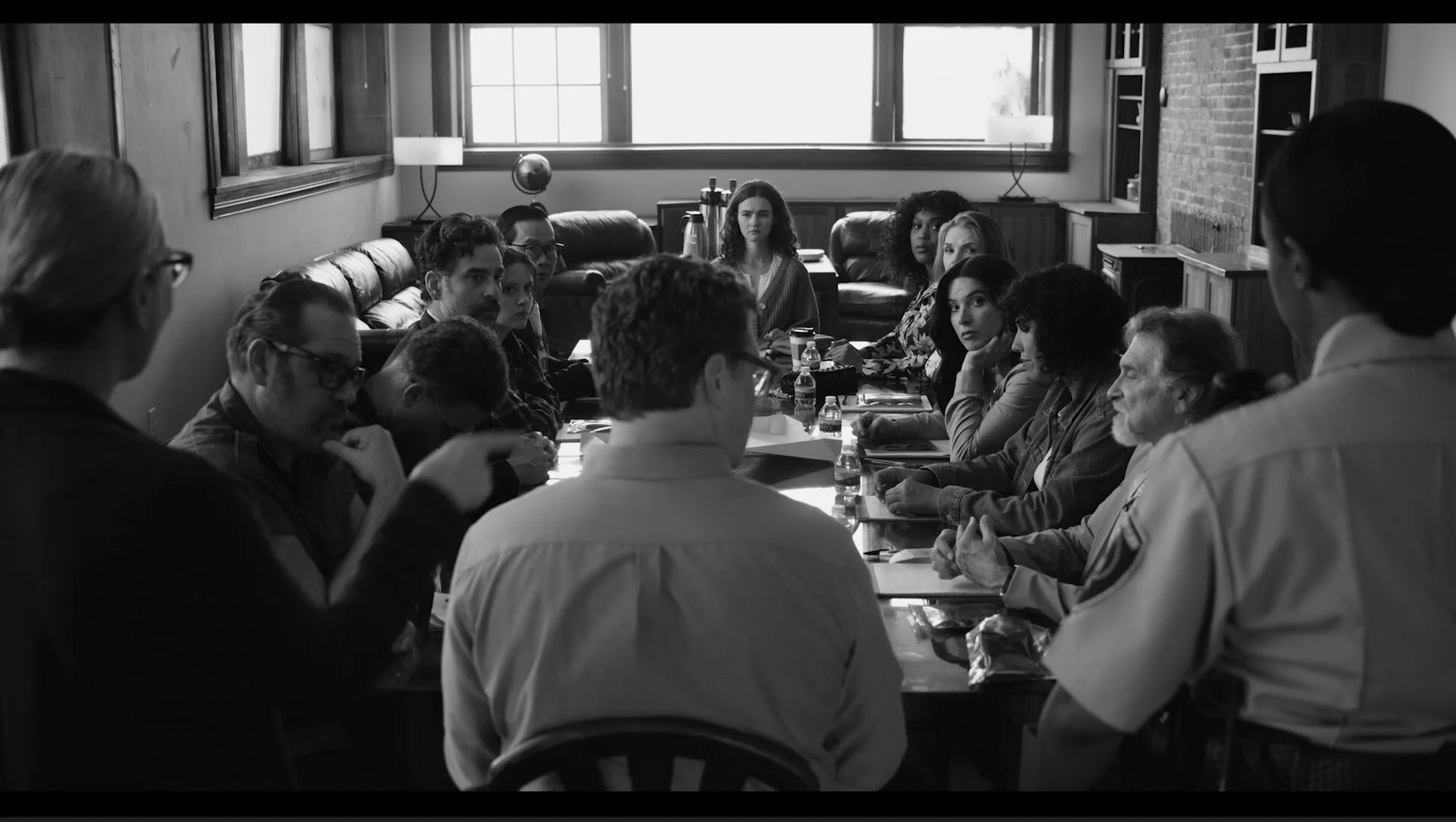
After an opening montage of news clips set to the overused one-hit wonder needle drop of “Spirit in the Sky” by Norman Greenbaum blends the highs and lows of dancing Presidents, destructive protests, and random messianic imagery, The Plea commences to genuflect in the direction of Sidney Lumet. Bathed in soft black-and-white cinematography by DP Tinx Chan (Starring Jerry as Himself), twelve jurors assemble in a room, scrolling through their phones, pacing idly, and venting frustrations before the devices are collected. They’ve all met, but this is their first chance to deliberate or, better yet, argue, and it starts almost immediately. Their names are their juror numbers rather than what’s written on their IDs.
Even so, the stereotypes and archetypes arrive in a hurry, dominated initially by the quarrelsome middle-aged Juror #1, played by The Plea’s co-director and co-writer Dean Imperial (TV’s Godfather of Harlem). He’s your classic “it’s a free country” asshole who’s already stirring shit and rubbing people the wrong way. Once the bailiff (steady TV actress April Matthis) arrives with shouted calls to simmer down and focus on the judge’s order that this case before them be decided unanimously and according to the law, you wonder how this cornucopia of banalities is ever going to agree anytime soon.
As that uncomfortable and daunting feeling creeps into place, a sizable truth about this film and the jury-centric movies its following becomes clear when the doors are locked. There’s a two-headed monster for these types of proceedings: figuring out the case or figuring out the people voting on the ruling. The Plea, as it presents its path of scenes, tips its hand as to its preferred answer to that proverbial question.
LESSON #1: THE PARTICULARS OF THE CASE AT HAND— Start with The Plea’s case. An unseen defendant, an IVF technician at a fertility clinic, is being tried for twelve counts of murder for spilling a tray of a dozen fertilized embryos that ceased to be viable. Even if the jury considers this act an accident, manslaughter charges are still possible. At the heart of the case is the interpretation of the embryos, technically called EUPs (extra-uterine persons), and the legal definition of “personhood.” The voting divide among the sequestered greatly mirrors the contentious gulf between conservative pro-life defenders and those more staunchly pro-choice.
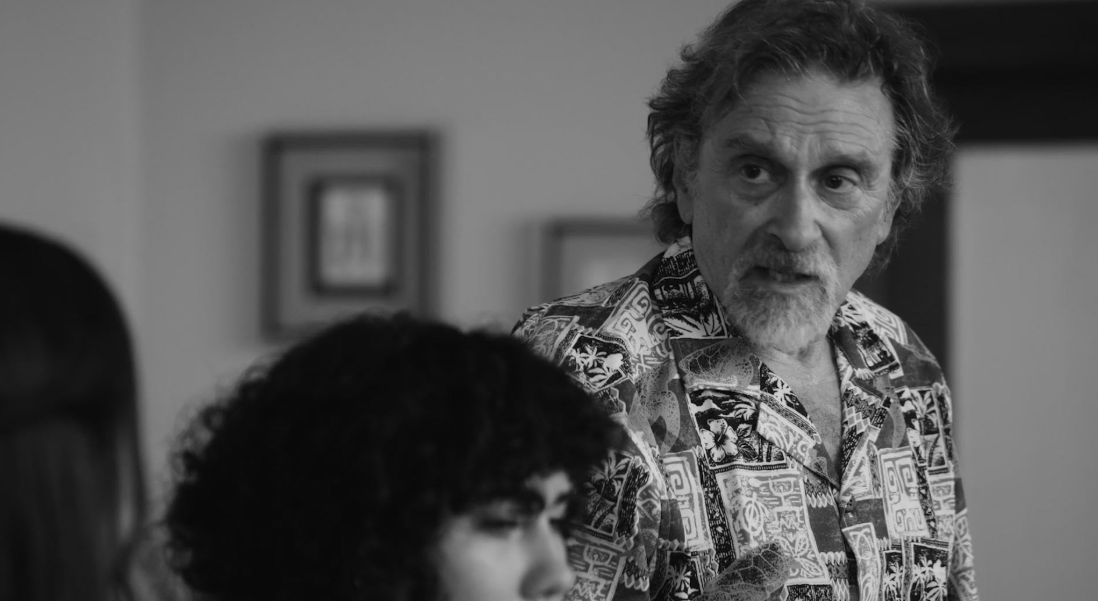
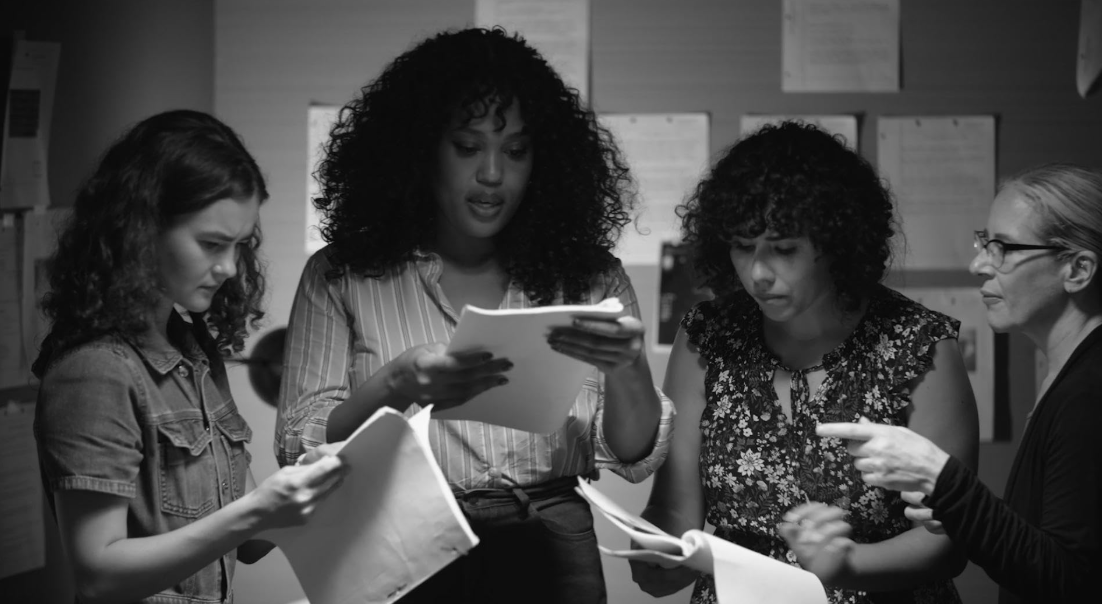
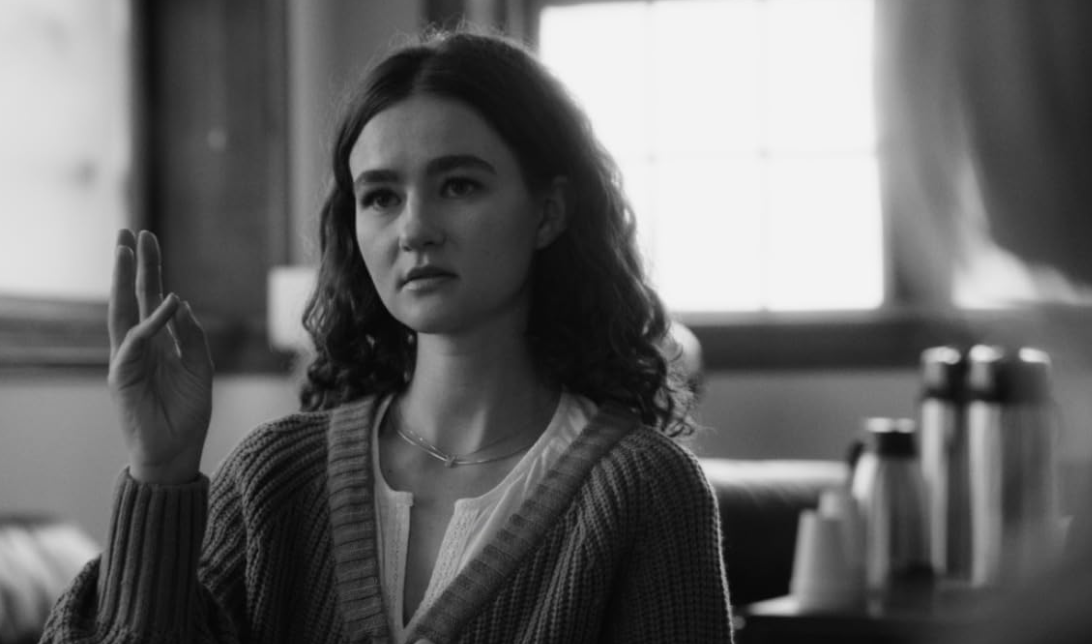
LESSON #2: FIGURING OUT THE PEOPLE— Because of the temperature of those topics, The Plea leans on figuring out the people. The most vocal not-guilty/non-personhood proponent is Juror #7 (Antoinette Crowe-Legacy of Passing), a pushy woman willing to stand, shout, and curse to show her dominance on this issue. Her common opponent is her neighboring Juror #8 (Stir of Echoes star Kathryn Erbe), an older, calm woman who sums up all decisions as “God’s will.” Caught in the middle is everyone else—including the sullen widower, Juror #12 (Dennis Boutsikaris of *batteries not included and Better Call Saul), the panic-attack-prone Juror #5 (Trieu Tran of Altered Carbon), the deaf young lady, Juror #6 (Millicent Simmonds of the A Quiet Place series, this movie’s biggest casting get), and the movie star within their midst, Juror #2 (Outer Banks’s Jason Alan Carvell)---and the gay jury foreman, Juror #10, played by the other co-director/co-writer and editor Zach LeBeau, trying in vain to keep the peace. Curiously, to a degree, yet matching Lesson #2’s course of action, more than half of The Plea follows these people outside of the deliberation room.
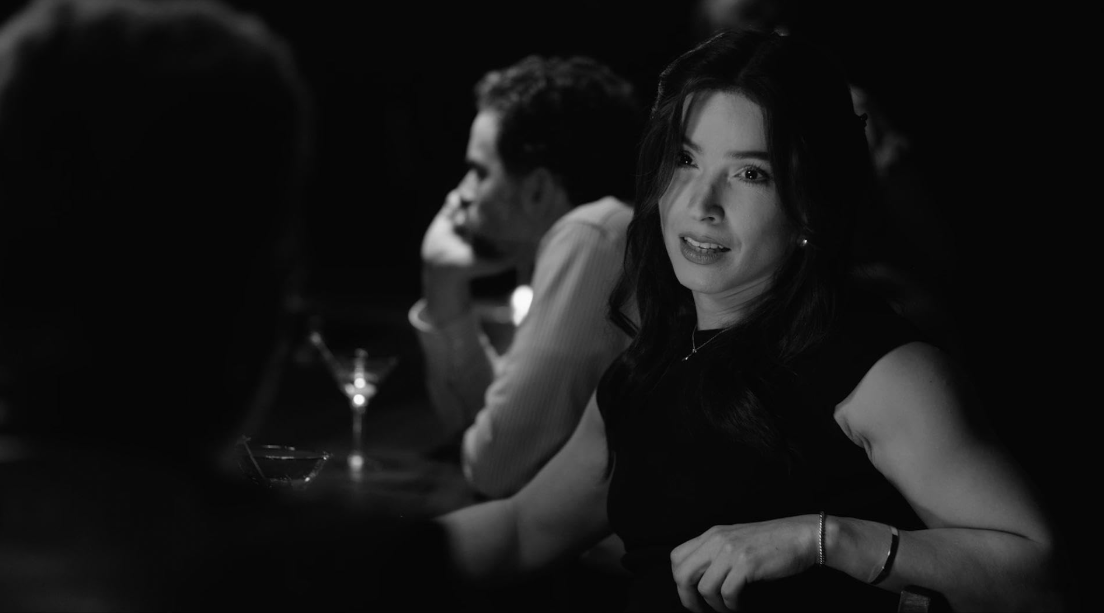
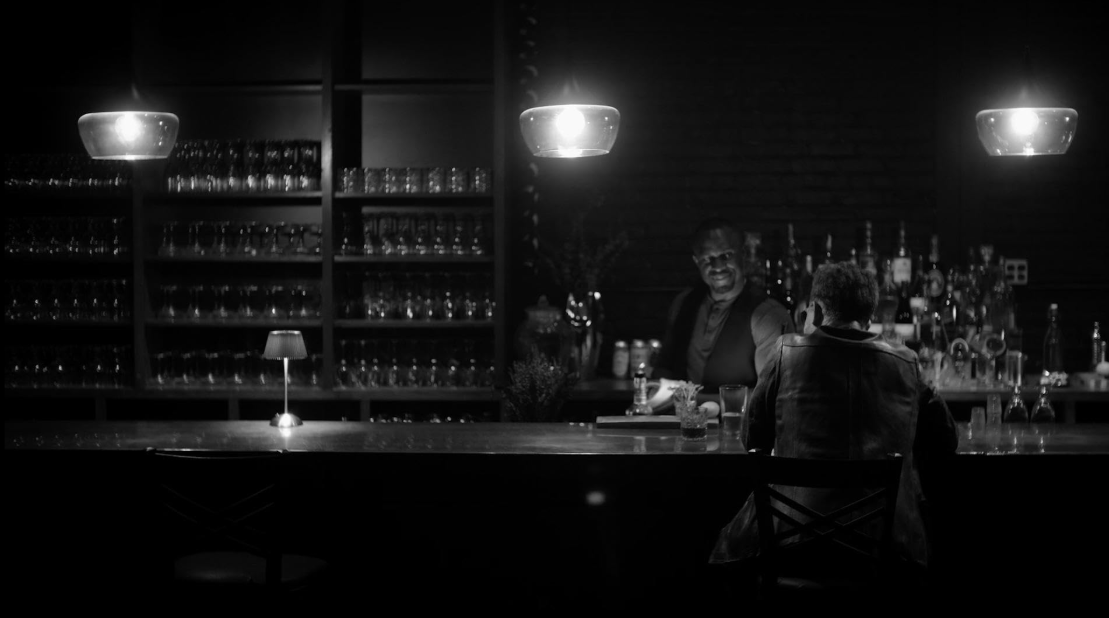
Coyly paired in hotel rooms (like the ardent Christian with the incensed Gen-Z atheist and the gay guy with the misogynist) and allowed to congregate at the baobab tree that is the hotel bar manned by the lone bartender (The Wire’s Gbenga Akinnagbe) after each complete day, the ensemble lets their characters’ hair down in these unlocked moments. The assigned quota of liquid courage bends moral judgments, ignites more politics, blurs boundaries, and closes generation gaps in a host of interesting and telling conversations and encounters that become the pinnacle moments of the collected performances. This large group of actors is given wonderful latitude to extract unique depth from their assigned tropes and lanes. Two headturners from this downtime are the aggressive flirts of Juror #2 (Danny DeFerrari of Oppenheimer) and Juror #9 (Starlit Diner’s Carolina Gutierrez), who also hold the position as The Plea’s second loudest and meanest of their gender in the room, after Juror #1 and Juror #7.
Without a doubt, this hypothetical premise in The Plea is a fascinating clash of ideals, even before considering the particular people weighing the verdict. The pendulum swaying between the debate of what constitutes being alive is as precarious as the wavering strength of sacredness towards jury duty itself, and all the buzzwords, labels, and derogatory terms are lashed. Their first vote is 7 to 5 in favor of guilty/personhood, showing they have a long way to go. Add in the chasm represented by wildly different measures of reasonable doubt, and The Plea can press more hot-button talking points than Buddy the Elf hitting floor numbers in an Empire State Building elevator.
The Plea labels itself as a “comedy noir” within the courtroom subgenre, though, other than a few witty retorts and comeback burns, there are very few laughs. Sure, the bailiff comes in loud, and the scope of this fictional case is grandiose, which can create rub-your-nose-in-it satire between the altruistic and the merciful. However, other than one character briefly acknowledging the unshown media circus out the window, Zach LeBeau, Dean Imperial, and the third contributing writer, Scott Organ (What Comes Around), keep everything on the tremors of group dynamics rumbling one step further than the usual behind-the-scenes setting of a jury room. There’s shrewd wisdom in that call, because, like this film’s second lesson, that’s plenty and that’s where the real intrigue is. While the overarching rhetoric is scintillating and probably deserves more time in actual deliberations, The Plea found the right territory to explore in this all-hands-on-deck indie standout.

LOGO DESIGNED BY MEENTS ILLUSTRATED (#1438)
