
How Does a Local Pest Control Company Approach Difficult Pest Problems

<a href="https://www.magnific.com/free-photo/sanitation-worker-hazmat-suit-disinfecting-public-building-coronavirus-epidemic_26401628.htm#fromView=search&page=1&position=10&uuid=4e28ad23-4169-4fdc-b803-3e7d146271cd&track=ais_hybrid&query=A+Local+Pest+Control+Company+Approach+Difficult+Pest+Problems%3F?log-in=google">Image by Drazen Zigic on Magnific</a>
Pest problems can be stressful when ants keep returning to your kitchen, rodents enter your home, or bed bugs remain even after treatment. These issues often continue because the visible pests are only part of the problem. Hidden nests, small gaps, moisture, and untreated areas can allow pests to spread.
Store-bought products may help with minor pest issues. However, stubborn infestations often need a closer look. Finding the pest, understanding its habits, and locating the source are key steps toward better control.
Professional pest control focuses on solving the problem at its source, not just removing the pests you can see. That said, let’s explore how experts inspect properties, choose treatments, prevent pests from returning, and check results.
1. Inspect the Property to Find the Source
A local pest control company starts by inspecting your property to find out which pests are present, where they hide, and how they enter. Instead of treating only the areas where pests appear, technicians look for signs of activity throughout the affected space. This helps them find the cause of the problem and choose the right treatment.
For example, ants in the kitchen counter area can come through holes around the windows, pipes, or exterior walls. Rodents may squeeze through small holes around utility lines or broken door seals. Finding these entry points will minimize the chances of further infestation.
The inspection also depends on the type of pest. Bed bugs usually hide in mattress seams, furniture, and other small cracks. Termites can remain hidden within wooden structures, whereas cockroaches can gather behind appliances and inside cabinets. By finding the pest and its hiding places, technicians can plan a more focused treatment.
2. Choose the Right Treatment for Each Pest
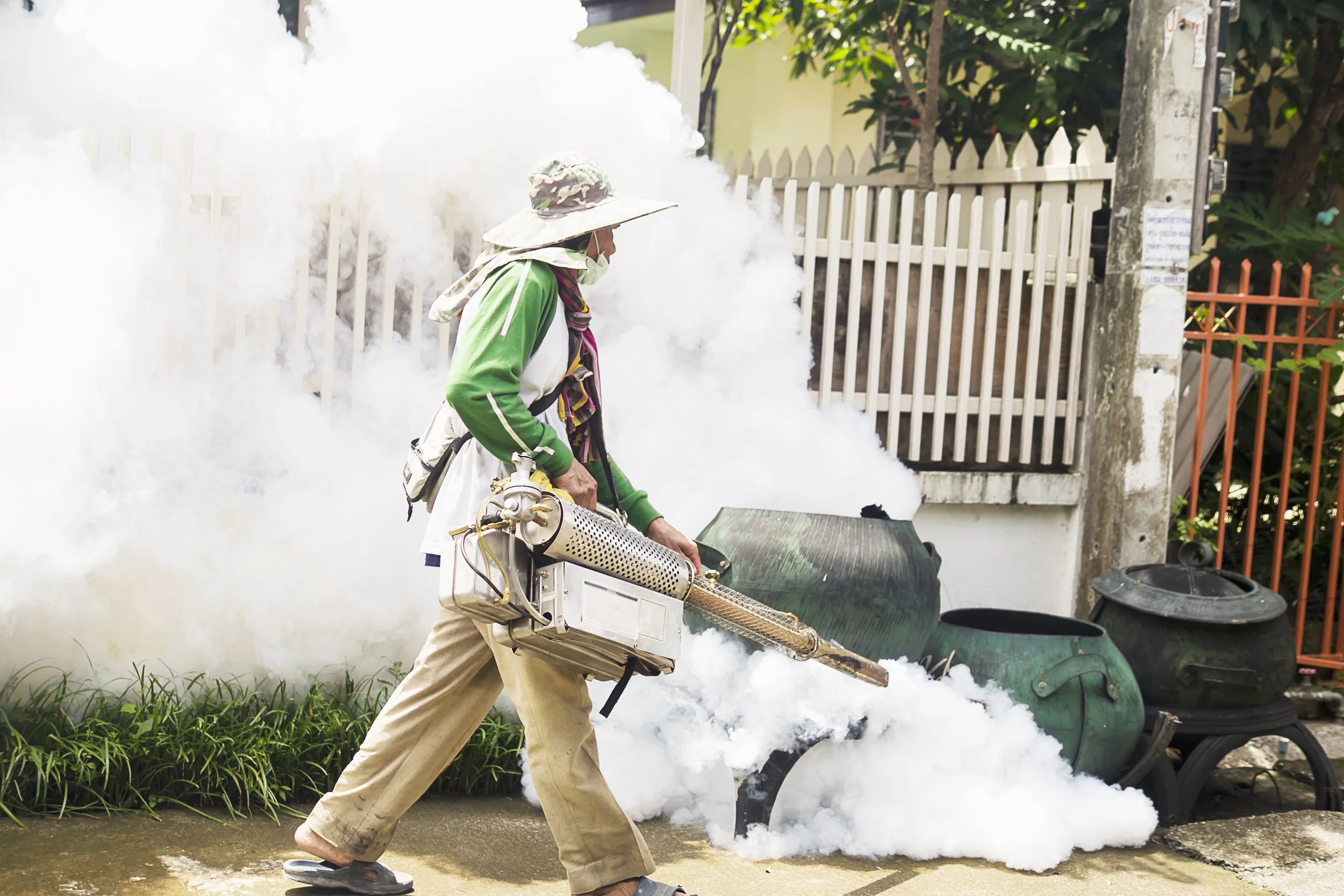
<a href="https://www.magnific.com/free-photo/man-is-using-thermal-fog-machine-protect-mosquito-spreading_3763229.htm#fromView=search&page=1&position=2&uuid=859ede88-acfc-4da5-951b-7d83189ead71&track=ais_hybrid&query=Local+Pest+Knowledge+Matter+When+Protecting+A+Winchester+Home">Image by jcomp on Magnific</a>
After the technicians are aware of the problem, they choose a treatment depending on the type of pest and how far it has spread. Different pests require different approaches and therefore, the same product may not be effective on all infestations. Professionals also consider the life cycle of the pest, the property’s condition, and the areas requiring treatment.
For example, rodent control may involve traps, bait stations, and steps to close entry points. To control ants, it is important to target the colony itself instead of killing the ants seen on the counters. Infestations of cockroaches are usually difficult to manage as these insects reproduce quickly and hide in narrow spaces.
Bed bugs and termites require special care. Bed bug treatments should extend to hidden areas beyond mattresses and bedding. The first step of termite control is to locate the affected areas and check the type of termite. Depending on the problem, technicians may use chemical products, nonchemical methods, or a mix of both.
Training also matters. Therefore, a qualified specialist understands where to apply the products and what precautions to take. They also provide information on how to secure children, pets, and household items during treatment. Following these instructions helps reduce unwanted exposure and supports better results.
3. Remove the Conditions That Attract Pests
Treating an infestation is only part of the solution. The pests might reoccur if your house continues to offer food, water, shelter, or easy entry. Therefore, pest control also involves finding and fixing the conditions that allow pests to thrive.
Start by checking for leaks and damp areas. Repair dripping pipes, improve airflow in damp spaces, and remove standing water where possible. Store food in sealed containers, sweep crumbs, and keep rubbish in covered bins. These easy measures make your house less appealing to most pests.
Next, check the outside of your property. Seal suitable gaps around pipes and utility lines, fix broken window screens, and replace missing door seals. Keep plants trimmed away from the house when possible and remove piles of leaves or other debris that may provide shelter.
The right steps depend on the pest. For example, sealing the entry points can be useful in keeping rodents away, while reducing the presence of excess moisture may help limit conditions that attract certain insects.
4. Check the Results and Adjust the Plan
Some pest problems need more than one visit to resolve. Pests may remain hidden during the first treatment, and eggs may hatch later. New pests can also enter from the outside. Regular checks help technicians see whether the treatment is working and decide if further action is needed.
After treatment, watch for changes in pest activity. Note where you see pests, when they appear, and whether you find new droppings or signs of damage. Share these details with your technician. This information can help them find areas that need more attention.
Follow-up visits may include checking traps, inspecting treated areas, and changing the treatment plan when needed. For example, a recurring rodent problem may require better sealing and continued monitoring. A cockroach infestation may need further treatment if activity continues.
Therefore, good communication makes this process easier. Ask your technician how long the treatment may take, what results to expect, and which signs show that pest activity is decreasing. Understanding these details helps you follow the recommended steps and know when to report a problem.
Conclusion
Difficult pest problems need more than a quick spray or trap. A careful inspection, the right treatment, simple changes around your property, and follow-up checks can help control an infestation and reduce the chance of pests returning.
Therefore, by understanding this process, you can make better decisions to protect your home and keep it clean and comfortable.
