
Action Movie Ammo Myths That Would Fail in Real Life
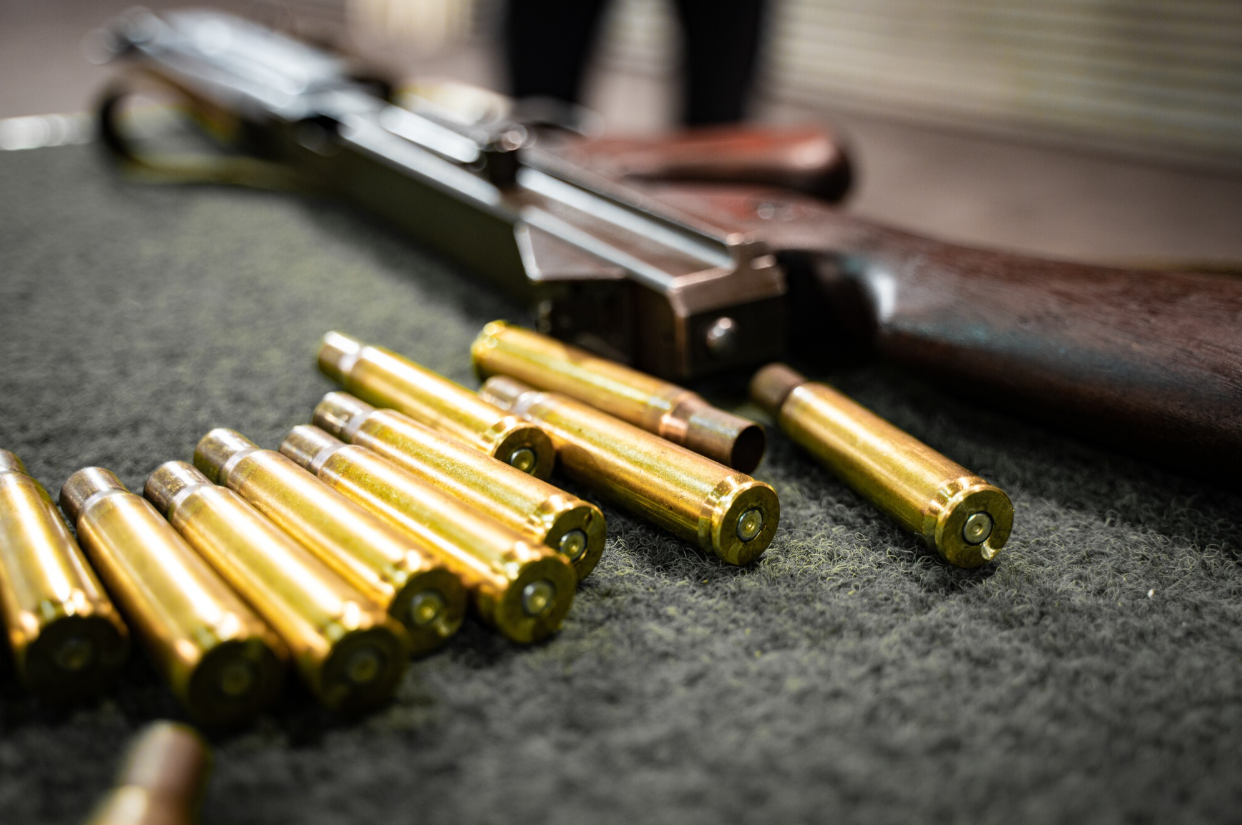
Hollywood action films turn gunfights into loud visual shows filled with endless ammo, flying stuntmen, and bright sparks. Directors build these scenes for thrills rather than real physics or gun mechanics. Anyone who visits a local gun range quickly spots huge gaps between cinema and real life.
Infinite Rounds Without Reloads or Cleanup
Action heroes often pull the trigger for full minutes without ever reaching for a fresh mag. Standard handguns hold about 15 rounds, and common rifle mags top out at 30 rounds. Fast shooting on a real range empties a mag in just a few seconds and leaves hot metal cases on the ground.
Smart shooters pay close attention to those spent shells once the smoke clears. Many hobbyists sort through once-fired .223 / 5.56 brass at the bench to check case lengths and primer pockets before loading new rounds. Ignoring round counts and brass wear in real life leads straight to empty chambers and bad jams.
Swapping .223 and 5.56 Ammo Without Checking
Movie characters often grab random boxes of bullets off a table and load them into any rifle nearby. On screen, every round fits smoothly and shoots the exact same way. Real gun owners know that matching the right round to the barrel stamp is a core safety rule.
Outer dimensions look almost identical between .223 Remington and 5.56 NATO cartridges, which tricks casual fans into mixing them up. Firing 5.56 NATO ammo in a .223 Remington chamber raises pressure by about 13%, which can cause extra wear, extraction issues, or severe rifle failure. Reading barrel markings before loading stops dangerous pressure spikes and keeps your gear safe.
Bullets Launching Targets Across the Room
Classic action films love showing 1 shotgun blast or handgun hit send a bad guy flying backward through a glass window. Stunt teams use hidden wires and pads to fake the visual punch of a shot. Real physics tells a very different story about speed and bullet weight.
Under basic laws of motion, every shot creates an equal push back against the person holding the gun. No handheld firearm packs enough physical force to throw a human body backward on impact. Bullets are small, fast slugs built to punch narrow holes - not act like heavy battering rams.
Car Doors Stopping High-Speed Rifle Rounds
Heroes pinned down in a street fight often duck behind an open car door and walk away without a mark. Films treat thin sheet metal and glass like a solid brick wall against heavy rifles. In real life, normal street cars hide you from view rather than stopping bullets.
Adding extra metal sheets inside standard door panels still falls short under real gunfire. Putting steel plates inside car doors does not provide enough protection, since true armoring requires a full passenger cell built as an integrated system. Factory cars have several weak spots that rifle rounds tear right through:
Thin outer door skins made of mild steel or aluminum bend and rip open on impact.
Side windows shatter into tiny glass cubes without slowing down fast rifle bullets.
Hollow door frames hold plastic trim, wires, and open air that stop nothing.
Standard street tires go flat fast when hit, leaving a getaway car stuck within blocks.
Suppressors Turning Gunshots Into Soft Whispers
Spy movies often show agents firing suppressed handguns in quiet halls with only a soft cough reaching nearby guards. Sound crews swap sharp gunshots for tiny air pops to keep scenes stealthy. Real suppressors work like car mufflers by trapping and cooling hot gas, which cuts noise without making guns silent.
Supersonic Crack vs. Muzzle Blast
Even with a good suppressor on the barrel, a gun still makes a sharp bang that echoes down a hall. Most rifle rounds fly faster than sound and create a loud crack as they cut through the air. Shooters still wear ear protection on suppressed ranges to save their hearing.
Shooting Padlocks Clean Off Heavy Chains
Heroes locked behind a chained gate often walk up to the lock, fire 1 pistol shot, and kick the gate open. Movies make hard steel shackles look as weak as dry twigs. Real locks act very differently when hit by soft lead or copper-jacketed bullets.
Hardened steel stops pistol rounds cold and often breaks bullets into sharp bits that spray back toward the shooter. Heavy rifle rounds might crack the outer shell, but the inner steel bar usually stays jammed tight. Opening heavy locks safely takes bolt cutters or proper breaching gear rather than a handgun.
Sparks Flying From Every Bullet Impact
Warehouse gunfights on film turn into light shows as every missed shot shoots bright orange sparks off walls and crates. Prop crews wire small flash charges onto sets so viewers can see where shots land. Standard bullets rarely make bright flashes when they strike normal building parts.
Most target and duty rounds use lead cores wrapped in soft copper jackets that flatten on impact without sparking. Bullet hits look much duller on everyday surfaces:
Drywall and plaster punch neat holes and kick up small puffs of white dust.
Wood beams and crates splinter apart and trap the bullet without making any flash.
Concrete walls chip and release gray powder instead of shooting showers of sparks.
Hard steel targets can make faint sparks in the dark, though daytime hits barely show.
Hip-Firing Two Pistols With Pinpoint Aim
Action stars love running down halls with 2 pistols in hand and hitting distant targets from the hip. Holding 2 guns looks cool on a movie poster, but it breaks every rule of good shooting. Hitting a target takes a steady stance, calm breathing, and a smooth trigger press.
Why Sight Alignment Matters
Making an accurate shot means lining up the front and rear sights with your eye. Shooting 2 handguns at once makes proper sight alignment impossible and doubles recoil control problems. Real shooters use a firm grip with both hands on 1 gun to keep muzzle flip low and stay on target.
Separating Cinema From Real-World Shooting
Hollywood gunfights rely on wild stunts, endless mags, and fake physics to keep viewers hooked. Learning how ammo, chambers, and ballistics really work helps you spot movie tricks from real range habits. Take time to study sound firearm mechanics, follow range safety rules, and keep building your skills before your next trip to the firing line.
If you'd like to learn more, check out more articles on our blog.
