
From Screen to Garage: How to Choose a Motorcycle That Holds Its Value
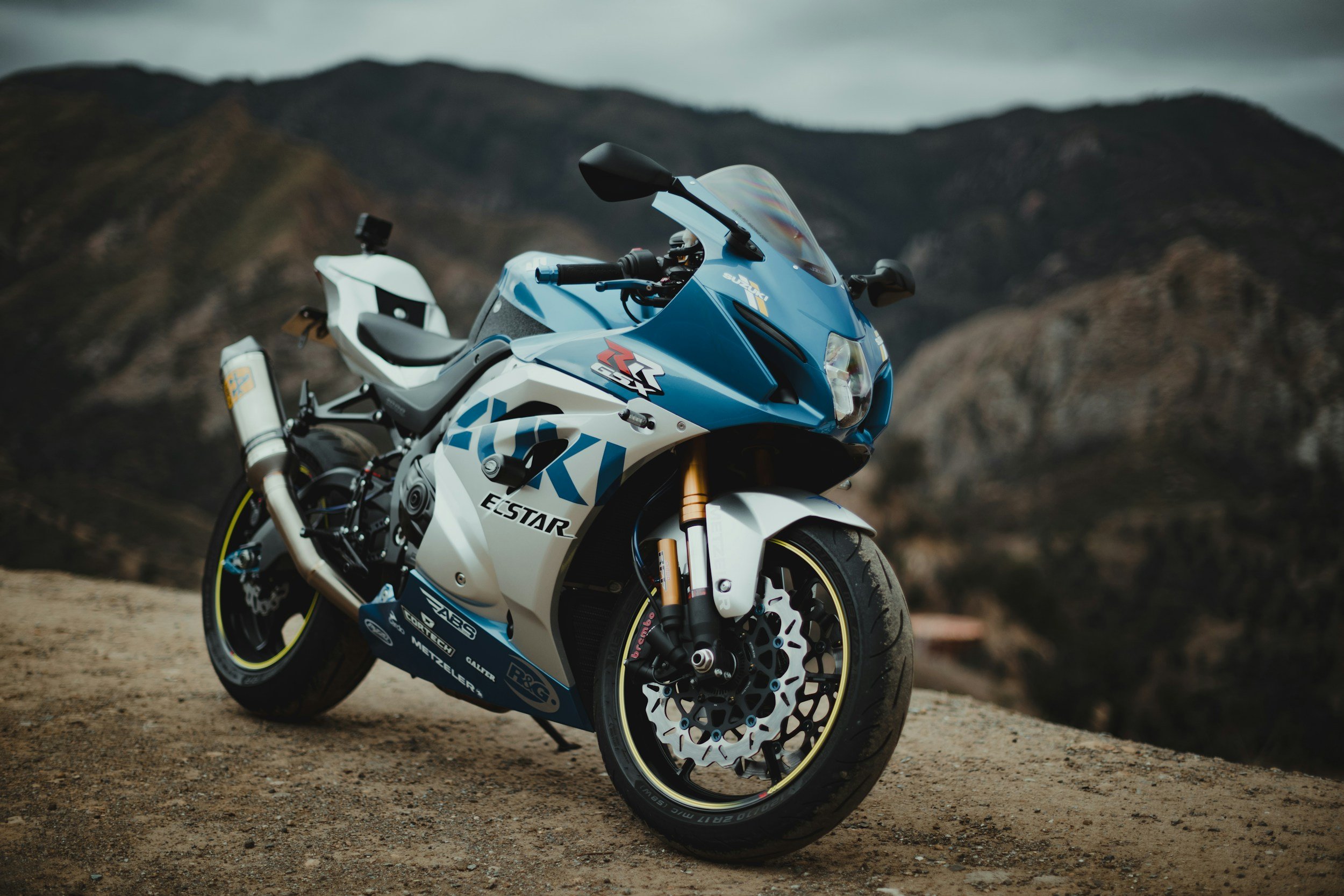
So you’ve been living on Facebook Marketplace and Cycle Trader for three weeks. You know the specs of every bike in your price range by heart. Your browser has 40 tabs open. Before you pull the trigger, ask yourself one weird question: who’s going to buy this thing from you in four years?
It sounds backwards. But most riders don’t keep their first bike, or even their second. You’ll want something bigger, smaller, faster, or comfier eventually. When that happens, motorcycle resale values decide whether you get a decent chunk of cash back or watch a $9,000 bike turn into a $4,500 one.
Buy What Everybody Else Wants
Boring advice, but it’s also true. A Yamaha MT-07 or a Kawasaki Ninja 400 has a huge pool of buyers, and a big pool of buyers keeps prices up. Look at the Honda Grom. People pay close to new for used ones because everyone wants one.
Now compare that to a rare Italian sport tourer. Gorgeous? Absolutely. But when you go to sell it, you might wait months for the one guy in your state who’s into it.
Pay Attention to Bikes That Barely Change
The Suzuki DR650 has looked basically the same for decades. That’s a good thing for your wallet. When a manufacturer doesn’t redesign a model every couple of years, an older one doesn’t suddenly look dated next to the new version. The Triumph Bonneville and the Yamaha Ténéré 700 have a similar pull. Riders like a known quantity.
On the flip side, if you hear a full redesign is coming next year, you might want to wait. Or negotiate hard.
Mileage Isn’t the Whole Story
A 2018 bike with 3,000 miles sounds like a steal. Sometimes it is. Other times it sat in a shed with old gas gumming up the carbs and tires cracking in the sun. Buyers know this too.
What they really want to see:
A sensible number of miles for its age, not too high and not suspiciously low
New-ish tires and a chain that isn’t stretched out
No scrapes on the bar ends or levers (that’s a drop, and everybody checks)
Keep Every Receipt
Get a cheap folder and toss everything in it. Oil changes, the valve adjustment, the new battery. When you’re selling, handing someone a stack of receipts beats saying “oh yeah, I took good care of it.” Anybody can say that. Not everybody can prove it.
Your Mods Are Mostly for You
That $1,200 exhaust? You’ll be lucky to get $200 of it back. Lots of buyers actually prefer stock because they don’t know how you installed it or whether you re-tuned the bike after.
Keep the original parts in a box in the garage. Seriously. “Comes with the stock exhaust and mirrors” is a line that sells bikes.
Color Matters More Than It Should
You probably don’t care much about paint. The next buyer might. Black, white, and the classic brand colors (Kawasaki green, Ducati red) are safe bets. That one-year-only matte orange? It might be a hard sell.
Check the Numbers Before You Fall in Love
Before you buy, look up the bike on Kelley Blue Book or J.D. Power. Then search used listings for the same model that’s three or four years older. If the price dropped by half, that tells you what’s coming for yours. If it barely moved, you’ve found a keeper.
Then go ride it. A bike that holds its value is great. A bike you actually love riding is the real point.
