
Electric Heaters: Choosing The Right Option For Your Home
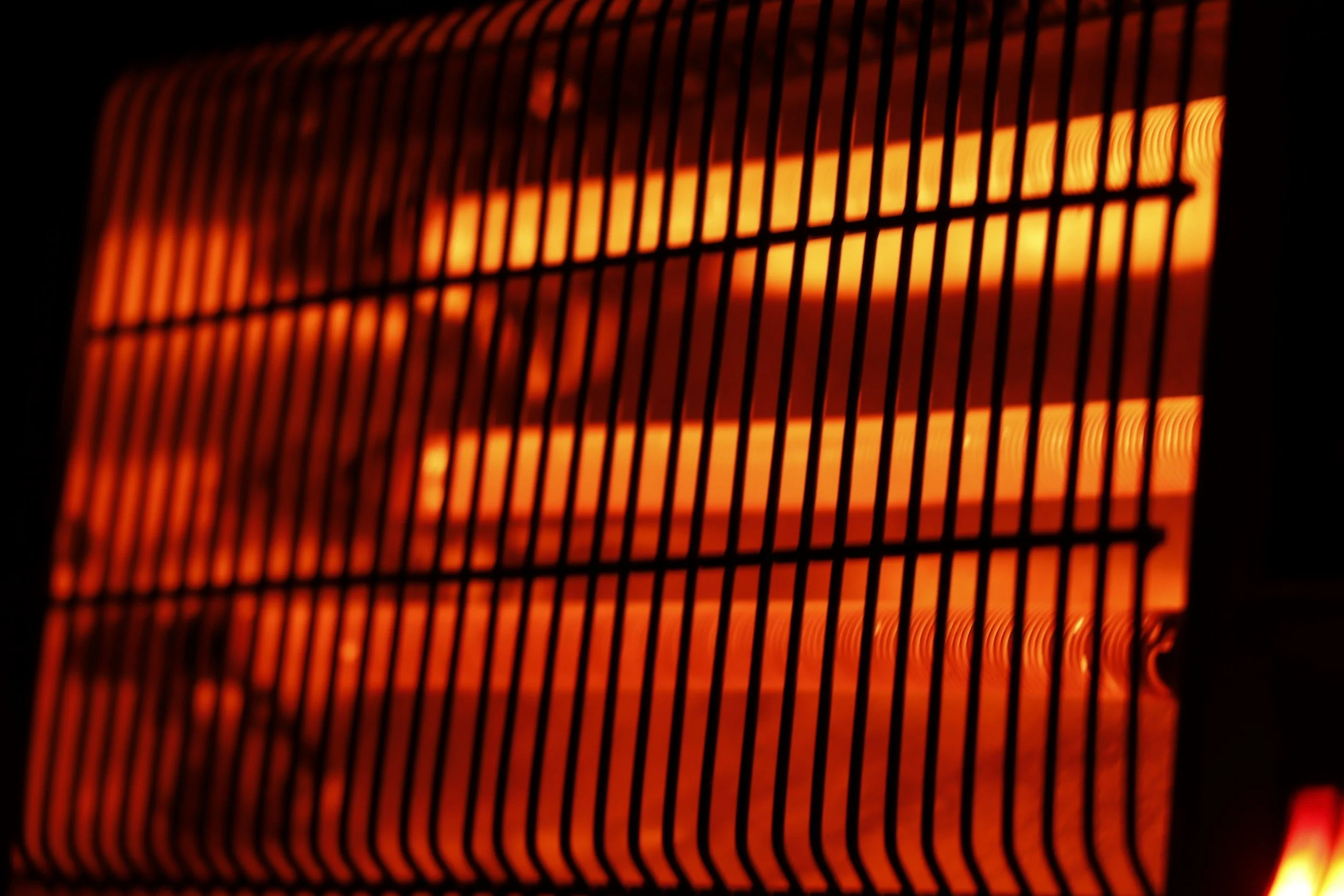
Choosing the right heating system can be challenging when your home has rooms with different heating needs. Some spaces may remain cold even when the heater is running, while others may become uncomfortable because the unit overheats. You may also worry about power consumption, installation requirements, and long-term operating costs. For these reasons, choose a heating solution based not only on price but also on other factors.
The right electric heating system must match your room size, available power supply, and comfort needs. Different designs serve different purposes, such as portable space heaters, electric furnaces, and infrared units. By comparing their features, you can find a convenient option for your needs.
Which features matter most when selecting an electric heater?
Let's look at six key factors to help you make the right choice.
1. Heating Capacity and Room Size
One of the first things to consider when choosing a electric heater for home use is heating capacity. Each room has different heating needs based on size, ceiling height, insulation, and exposure to outside conditions. A small heater can work in a bedroom but cannot effectively heat a large living room.
Consider the size of the space you want to heat before buying. Also, verify how much heat the unit generates and match it to what the room needs. Electric furnaces, for example, are available in different kilowatt (kW) capacities. This lets you choose models that match your home's heating needs.
A small unit can run constantly but may not maintain a comfortable temperature. Conversely, an oversized system can consume excess energy it doesn't need. Thus, match your room's heating capacity to its size to keep indoor comfort consistent.
2. Heater Type and Room Coverage
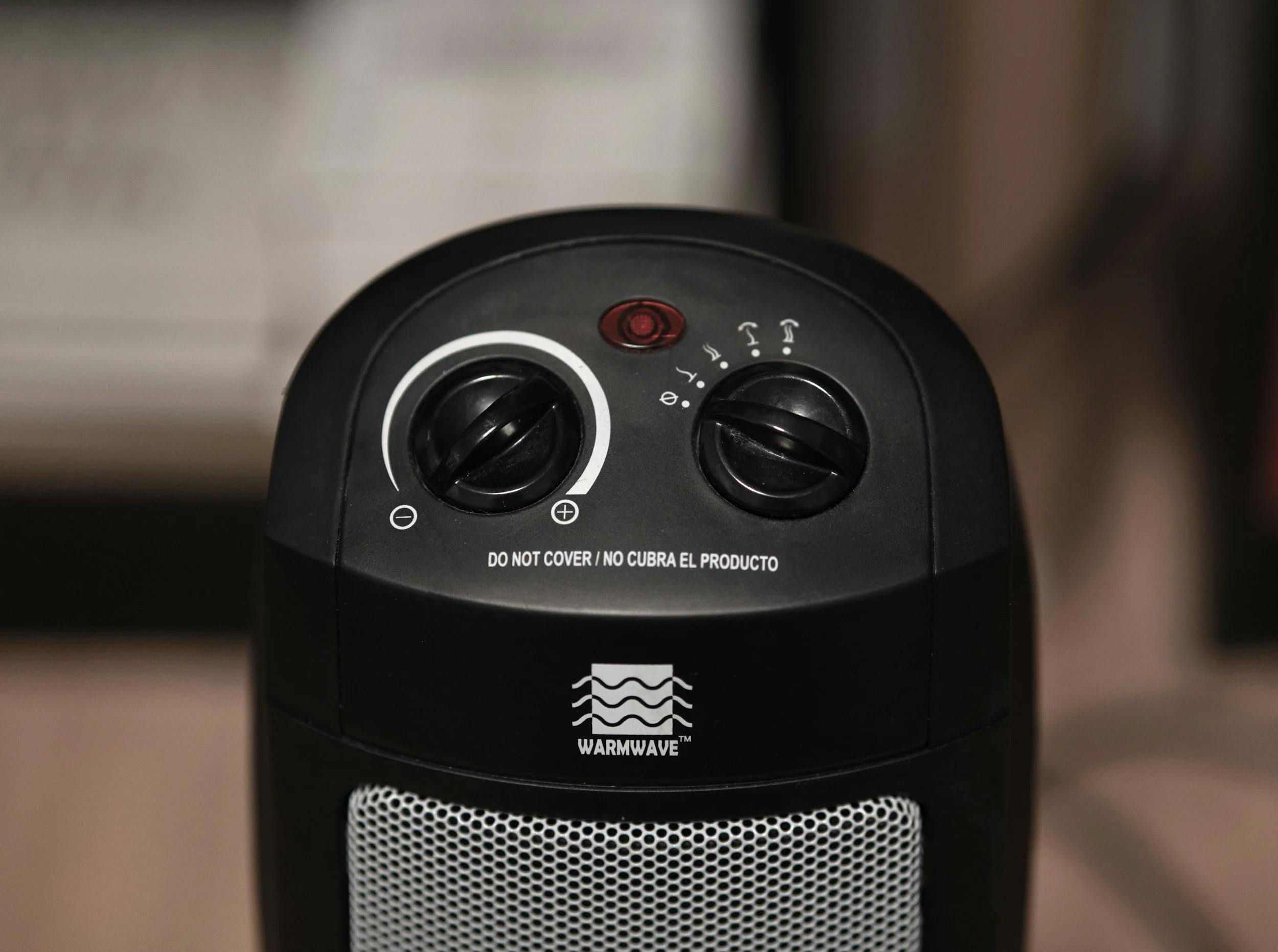
Not all heating appliances are the same. Some heat a single room, while others serve larger spaces or the whole building. Understanding these differences will help you choose the right design for your home.
Consider the following typical options:
Portable Space Heaters: Such heaters provide warmth in individual rooms and can be moved when needed. They are suitable for apartments, bedrooms, home offices, and areas that are not heated year-round.
Infrared Heaters: These heaters do not heat the surrounding air; they directly warm individuals and objects. They are suitable for garages, workshops, and open spaces in larger areas where traditional heating may not work.
Electric Furnaces: Such models provide a heating system that uses electric heating components to heat a building. They suit manufactured homes, apartments, and properties without a gas connection.
Unit Heaters: They are designed for commercial and industrial settings, including large workshops and warehouses. Their higher heat output may not be needed in average house rooms.
Consider whether you need temporary heating, heating for a specific room, or a system that covers your whole home. This will help narrow your choices.
3. Power Source and Electrical Requirements
Your home's available power supply can influence which heating system you can install. Electric heaters don't need to be connected to natural gas, but larger electric furnaces may require special electrical connections to work properly.
Start by verifying that the product's power requirements in the specifications are met. Check the voltage, wattage, and kilowatt rating to confirm the unit's power requirements. Also, make sure your electrical system can support the appliance.
For example, a portable space heater may only need a standard outlet. Nevertheless, a larger electric furnace requires a suitable electrical connection and professional evaluation before installation.
If your property lacks a gas line, an electric furnace can be a viable substitute for gas heating. Still, make sure the selected model matches your home's electrical capacity. This step reduces installation complications and supports reliable operation.
4. Heat Output and Temperature Controls
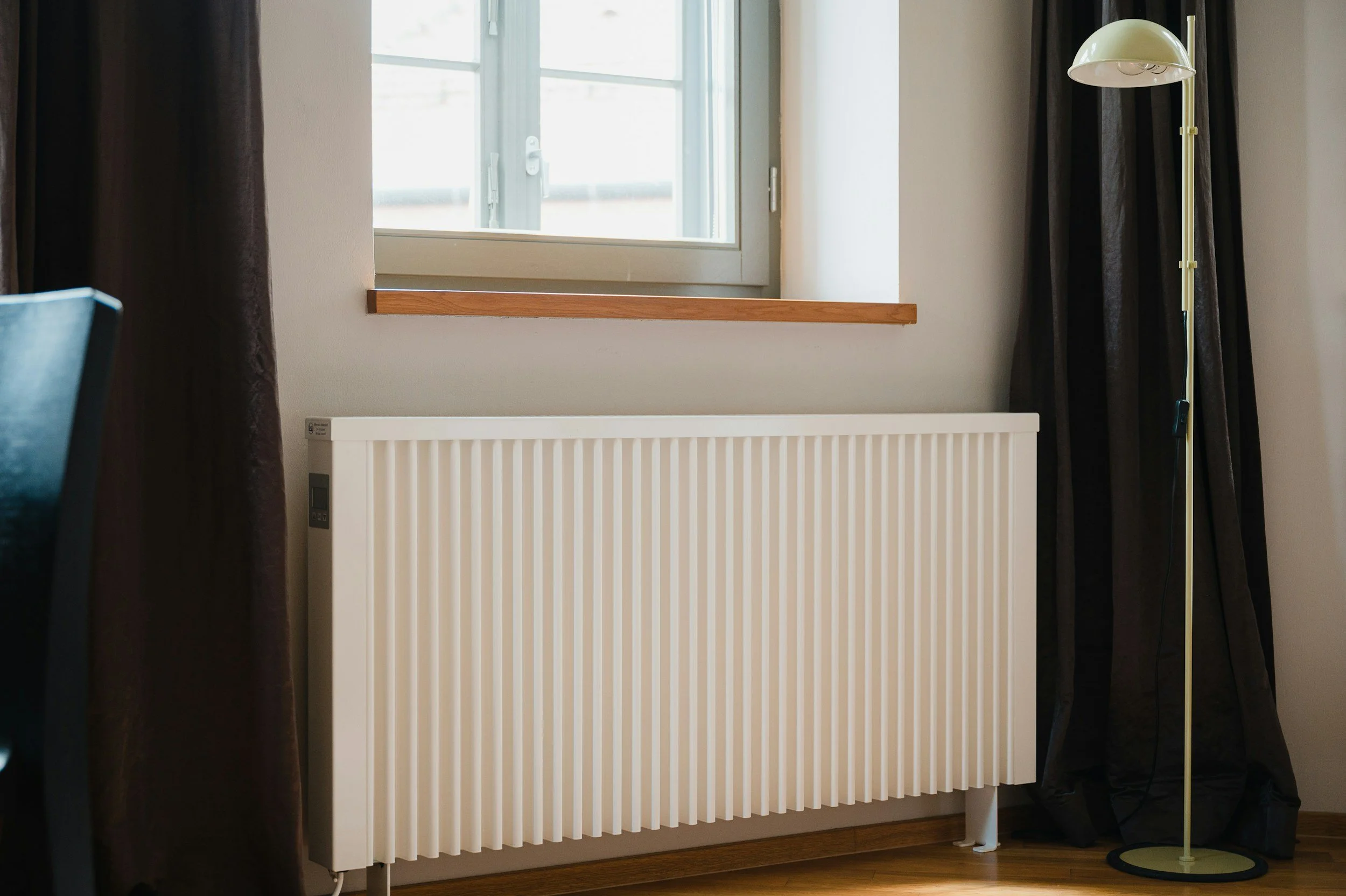
A heater output affects how quickly it warms your room and how consistently it does so. Yet maximum heat output is not the only characteristic to consider. You must also consider how the system handles temperature use day to day.
Check the availability of various heating options or temperature controls in the appliance. Several settings let you adjust the output to match changing room conditions. This can come in handy when you want to be warmer in mild weather and need more heat in cold weather.
For larger heating systems, also consider the available operating configurations. For example, gas furnaces can be single-stage or two-stage. In the single-stage model, it always runs at full capacity, while in the two-stage model it runs at a lower setting until it needs more output.
These gas furnace-specific configurations show why operating features matter when comparing heating systems. Check out the specifications to see how each model produces warmth.
5. Energy Use and Running Costs
The purchase price is not the only part of the total cost of maintaining a heating appliance. You should also consider how much energy it consumes under normal operating conditions. Even a heater used for several hours each day can add to your electricity bill.
Start by checking the appliance's watts or kilowatts. Higher wattage means higher electricity use, especially when the heater runs for longer. But real operating costs also depend on your local power rates, room insulation, thermostat settings, and occupancy patterns.
The type of heating system is also vital to consider. Portable heaters can heat rooms occasionally, whereas an electric furnace is meant to serve a wider heating purpose. It may be more practical to use a smaller heater in a room you are using than to heat areas of your home you are not using.
For gas furnaces, the AFUE rating shows how efficiently the unit uses fuel to produce useful heat. Electric furnaces don't have AFUE ratings; instead, compare their electrical specifications and expected operating requirements.
6. Installation, Placement, And Safety
Installation costs may affect your budget and the type of heater you buy. Portable units usually require little installation, whereas electric furnaces must connect to the appropriate electrical supply, and professional installation may be required. So consider the installation process before choosing a specific model.
Placement is also important, especially when choosing a portable heater. Place it on a firm, flat surface, and keep it away from curtains, bedding, furniture, and other flammable items. Keep the clearances that the manufacturer recommends. Do not place heaters where they may be knocked over or come into contact with water.
Also, check out useful safety features, such as overheat protection and tip-over shut-off (where applicable). These features can help minimize risks during operation, especially in busy households.
For larger electric heating systems, a qualified person should evaluate the electrical requirements for the setup and installation. Careful maintenance of the appliance, as indicated by the manufacturer, will also support safer, more reliable operation.
Conclusion
Selecting the right electric heater involves more than comparing prices or choosing a model with higher heat output. Consider your room size, heating needs, power supply, energy use, and installation requirements.
Each feature affects how well the appliance performs in your home. Take time to compare heating options and review their specifications before deciding.
By focusing on your property's requirements and everyday comfort, you can choose a heating solution that provides reliable warmth without unnecessary energy use.
