
World Pianist Day 2026: Celebrating the Musicians Who Bring Movie Music to Life
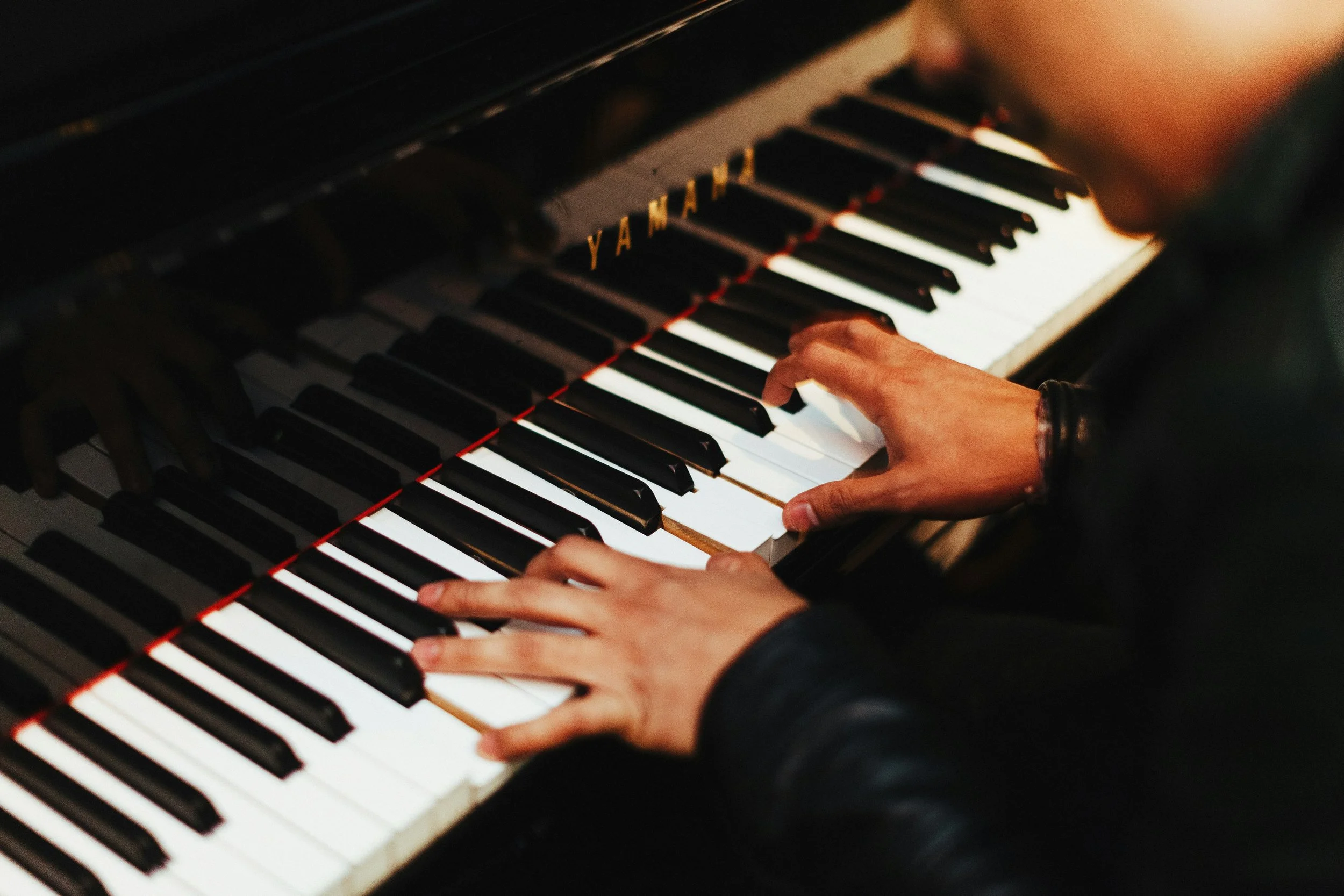
Imagine watching your favorite movie with the piano music removed. The actors deliver the same lines, the camera captures the same expressions, and the story follows its familiar course. Yet something feels different. A moment that once brought tears might seem strangely distant. A romantic scene may lose its tenderness, while a character's quiet struggle becomes harder to understand.
Film music does more than accompany images. Sometimes, a few piano notes communicate what an entire page of dialogue cannot. With World Pianist Day approaching on November 8, 2026, this is an opportunity to recognize the musicians whose performances help turn memorable movie scenes into lasting emotional experiences.
When the Piano Becomes a Character
Few films demonstrate the expressive power of the instrument as clearly as Jane Campion's The Piano (1993).
Its central character, Ada McGrath, does not speak, but her piano becomes an essential means of expressing her thoughts and feelings. Through music, viewers discover aspects of her personality that remain inaccessible through conventional dialogue.
Composer Michael Nyman created a distinctive score that gives Ada an emotional voice. Interestingly, actress Holly Hunter performed the piano music heard in the film, while Nyman recorded the performances for the soundtrack album.
This distinction reveals something fascinating about cinematic music. Even when two musicians interpret the same composition, their performances can carry different emotional qualities. Timing, phrasing and touch influence how audiences experience the story.
The lesson extends beyond The Piano: an instrument can become an essential part of a character's identity rather than simply another element of the soundtrack.
La La Land and the Music of Unspoken Feelings
Damien Chazelle's La La Land (2016) offers another compelling example of how piano music shapes cinematic storytelling.
Justin Hurwitz's composition "Mia & Sebastian's Theme" develops into a recurring musical expression of the characters' connection. Its return throughout the film allows viewers to recognize feelings that the characters themselves cannot always articulate.
The piano also represents Sebastian's ambitions and his complicated relationship with artistic success. What initially appears to be a romantic melody gradually acquires additional meaning as the story progresses.
Bringing that musical world to the screen required considerable work. Ryan Gosling trained extensively to perform the piano sequences convincingly, while accomplished studio pianist Randy Kerber contributed to the film's recorded music.
Their contributions illustrate a frequently overlooked aspect of filmmaking: the finished soundtrack emerges from collaboration among composers, performers, actors and recording professionals.
Audiences may remember the characters and melodies, but they do not always know the musicians whose skill gives those moments their emotional depth.
Why Certain Piano Melodies Stay With Us
A remarkable movie soundtrack has the ability to outlive the film itself.
Hearing a familiar melody years later can immediately bring back a particular scene, character or emotion. This happens partly because film music connects sound with visual storytelling, giving the audience more than one way to remember an experience.
The piano is particularly effective in intimate dramatic moments. Its wide expressive range allows performers to move from delicate, almost hesitant passages to powerful musical statements.
Yet technical complexity alone does not make a performance memorable. Sometimes a simple melody, played with exceptional sensitivity, creates a stronger impression than an elaborate orchestral arrangement.
For viewers, such moments also offer a valuable lesson: artistic expression depends not only on what someone plays, but on how they communicate it.
And while cinema celebrates directors, actors and composers, the pianists who interpret these compositions deserve recognition as well.
November 8: A Celebration Beyond the Concert Hall
World Pianist Day, celebrated annually on November 8, recognizes everyone who contributes to the art of piano performance. The occasion brings together professional concert artists, students, teachers and enthusiasts, reminding audiences that meaningful musical experiences can happen anywhere.
The international celebration has been growing since 2014, with musicians and music lovers taking part through performances, educational activities and personal tributes.
Information about the celebration and ways to participate is available on the officialWorld Pianist Day website.
For movie enthusiasts, the occasion offers a different way to experience familiar films. Instead of focusing exclusively on the story or cinematography, consider listening more closely to the piano performances that support important scenes.
Who plays the music? How does the interpretation influence the atmosphere? Would the moment have the same impact without those particular notes?
Questions like these can transform an ordinary rewatch into a deeper appreciation of filmmaking.
Thank a Pianist: One Small Gesture With Real Meaning
This year's celebration also encourages people to participate in Thank a Pianist, an initiative built around a simple idea: choose at least one pianist whose music has made a difference in your life and let them know. Movie lovers can join by sharing a favorite piano performance from a film, identifying the musician behind it and explaining why the music matters to them. Others might reach out to a former piano teacher, a local performer or a friend who introduced them to an unforgettable piece. On November 8, a personal message, phone call or social media tribute using #ThankAPianist and #WorldPianistDay can turn private appreciation into public recognition. The gesture does not require a famous name or an elaborate tribute. What matters is telling someone that their music was heard and remembered.
A Different Kind of Movie Appreciation
Cinema teaches audiences to notice performances, symbolism and the choices that shape a story. Music deserves the same attention.
The next time a piano melody transforms an ordinary scene into something unforgettable, consider the person who brought those notes to life. Behind the finished recording lies a musician making countless decisions about expression, rhythm and emotional emphasis.
World Pianist Day provides an opportunity to recognize that artistry beyond the screen.
This November 8, revisit a favorite piano scene, listen closely and discover whose performance helped make it memorable. Then take one more step: thank a pianist.
The movie may end when the credits roll, but appreciation for its music doesn't have to.
