
Why a Professional Site Assessment Is Essential Before Artificial Grass Installation
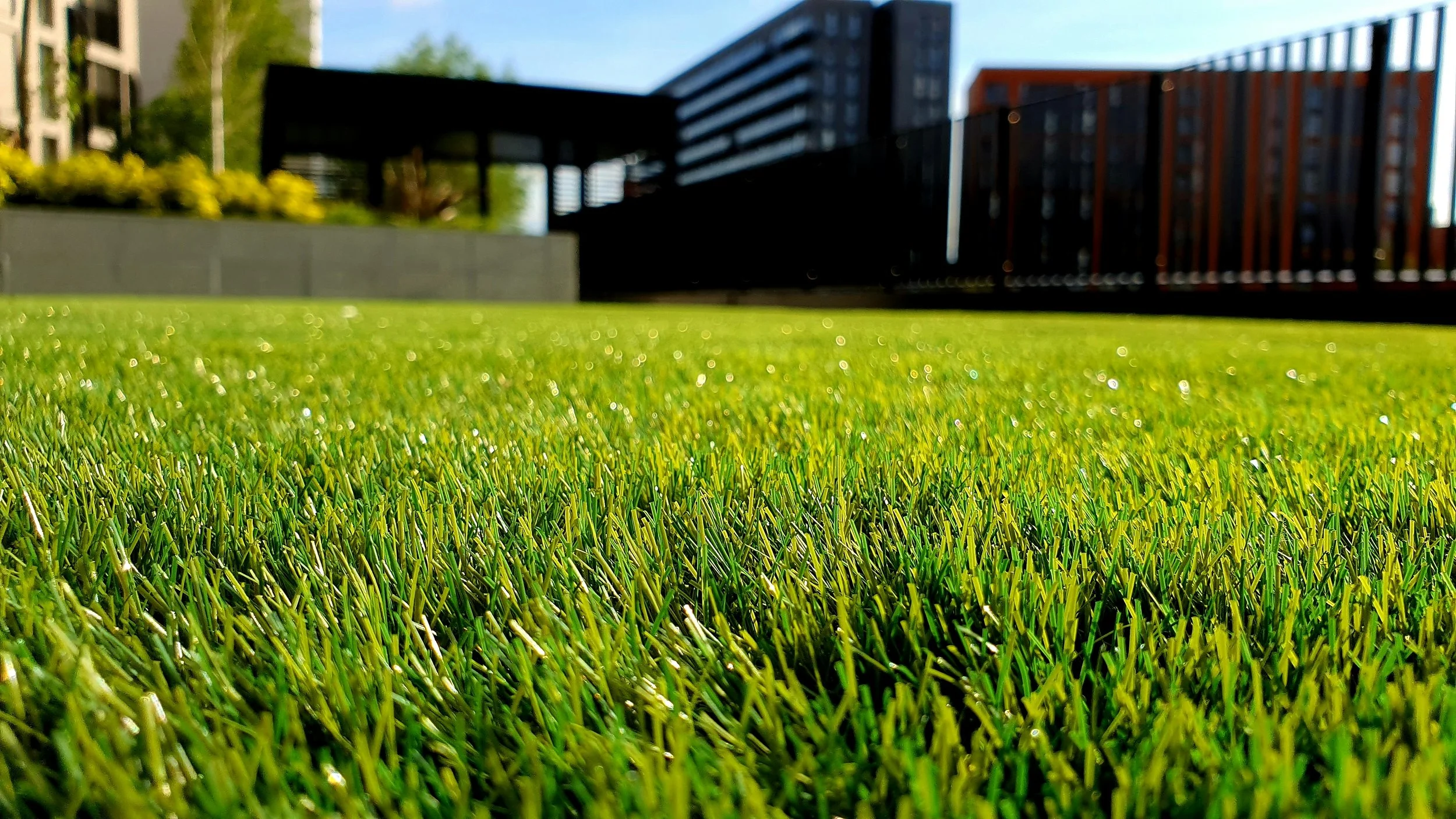
Photo by Petar Tonchev on Unsplash
A fresh green lawn can make a tired backyard feel inviting again, especially when weekends no longer revolve around mowing and patching bare spots. But the transformation begins well before a roll of synthetic turf reaches the property. Homeowners looking into harspot excavations synthetic grass service should first consider what an installer needs to learn about their garden. Is the ground stable? Where does rainwater collect? Will the new surface meet the patio neatly? Those questions matter because even beautiful turf can look disappointing when the preparation underneath is wrong. A thoughtful site visit gives the project a realistic starting point, with fewer surprises once work begins.
The Garden Has Its Own Story
Two backyards on the same street can require completely different preparation. One might have compacted soil and a gentle slope, while another hides old roots, soft patches, or leftover building rubble. A photograph rarely tells the whole story, and measuring the lawn alone will not reveal these conditions.
During an assessment, an experienced installer examines the existing surface, asks how the space is used, and identifies possible obstacles. That might include irrigation lines, inspection points, tree roots, or difficult access for equipment. Finding these details early makes it easier to plan the work without turning a simple garden upgrade into an unexpected excavation job. It is also a chance to explain which existing plants and features must remain untouched.
Drainage Deserves Attention Before the Turf
Artificial grass does not magically fix a waterlogged yard. Rain still needs somewhere to go, and the surface beneath the turf has a major role in helping it drain. If water already gathers beside a path or against the house, covering that area without addressing the cause may simply hide the trouble for a while.
A professional can assess the slope, existing drainage routes, and whether additional measures are appropriate. The right approach depends on local ground conditions and the chosen turf system. Planning water movement early helps protect nearby paving and garden beds, while keeping the finished lawn more practical after wet weather. No homeowner wants puddles becoming a permanent feature of their new outdoor space.
Ground Levels Affect the Finished Appearance
A lawn that looks flat from the kitchen window may contain small dips that become obvious after installation. Without careful preparation, those low spots can leave the turf looking wavy, and uneven transitions can create awkward steps where grass meets concrete or decking.
During the site visit, installers can check levels and determine where material needs to be removed or added. They should also consider doors, drains, paths, and the height of surrounding garden borders. Getting these details right is about more than appearance. It makes the outdoor area easier to use and helps the surface sit neatly alongside the features you already enjoy. That attention helps prevent awkward surprises when outdoor furniture is finally arranged.
Preparing a Base That Can Hold Up
Synthetic turf relies on a suitable, stable base. Laying it directly over worn natural grass or loose soil generally invites problems as organic material breaks down and the ground settles. The installation method must match the existing site and the turf manufacturer's requirements.
An experienced team can explain whether excavation is needed, which base materials suit the application, and how compaction will be carried out. The process may look less exciting than rolling out green turf, but it is often the part that determines how even the finished surface remains. Skipping preparation to save a little time can mean paying for corrections later.
Choose Turf for Real Life, Not Just a Sample
Samples are useful, although a small square of soft green fibres cannot show how a full lawn will behave in everyday life. A family play area, a decorative front garden, and a backyard used by pets each come with different priorities. Foot traffic, drainage, cleaning needs, and exposure to sunlight deserve discussion.
A knowledgeable installer can compare pile heights, density, backing, and suitable maintenance practices without pretending that one product fits everyone. Artificial turf can also become hot in direct sunshine, so shaded options and surface-temperature considerations matter for children and animals. Honest advice helps homeowners choose a product they will enjoy using, not merely admiring through the window.
Edges and Obstacles Need a Practical Plan
The straightest lawn is often the easiest to imagine, but real gardens curve around flowerbeds, trees, clotheslines, and paving. These details affect cutting, joining, securing the perimeter, and the amount of material required. Leaving them until installation day can create unnecessary waste or visible joins. Turf direction matters too, particularly when multiple sections must blend naturally in changing daylight.
A careful assessment allows the team to plan how turf will meet borders and which features should remain accessible. Drain covers and service points should not be buried beneath a permanent-looking finish. Good workmanship means considering how the garden will function after the installers leave, not simply how tidy it looks in the completion photos.
A Detailed Quote Prevents Guesswork
A professional visit should lead to more than a price per square metre. Homeowners deserve to know what preparation is included, how waste will be removed, which turf product is proposed, and whether drainage or edging work costs extra. Access limitations can also influence labour and delivery arrangements.
Ask for a written scope and clarify what happens if unsuitable material is found during excavation. It is worth discussing installation timing, product warranties, and what the installer will check before handing the garden back. Clear information makes quotations easier to compare and reduces the chance of an unpleasant surprise halfway through the project. Written details give both parties a useful reference throughout installation and final inspection.
Give the New Lawn a Better Beginning
There is something satisfying about stepping outside onto an even, welcoming surface where patchy grass once struggled. Reaching that point, however, takes more than choosing the nicest shade of green. The conditions beneath the turf, the movement of rainwater, and the small details around garden edges all deserve thoughtful attention.
Before booking installation, invite an experienced provider to inspect the space and explain a practical plan. Ask questions, review the preparation steps, and make sure the chosen system matches how your household uses the garden. A careful assessment is not an unnecessary delay. It is the foundation for an attractive, usable lawn that stays easier to maintain long after the first weekend of admiration.
