
How to Create a Moving Vision Board (And Why It Works)
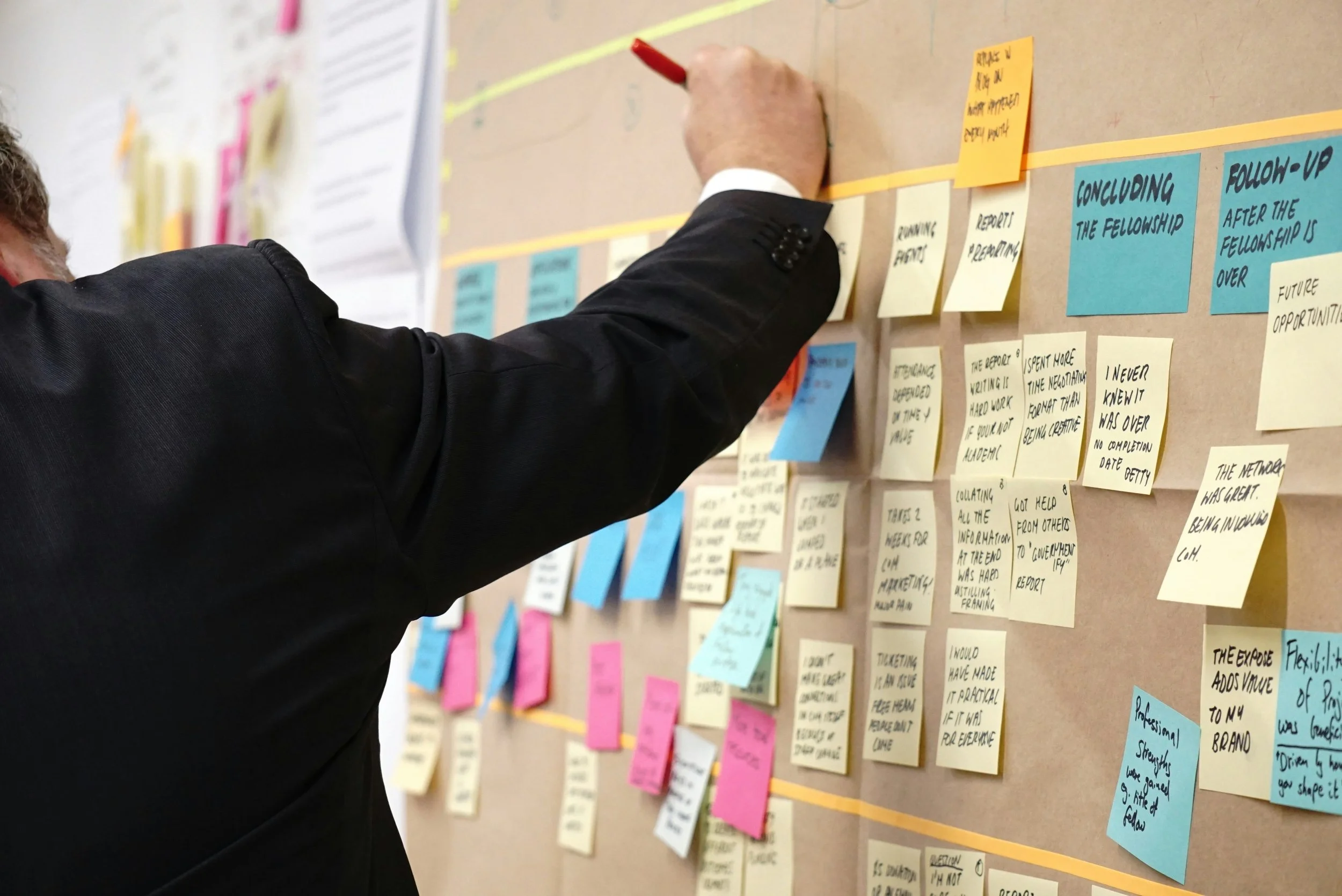
Photo by Jo Szczepanska on Unsplash
When you think about moving, the first questions are usually practical: which company fits my job most? What date will be the most affordable? How big a crew is needed and so on. But a few people think about the important question, what do you want your new home to be like? a vision board is exactly that. It is a simple tool that lets you know the answer before you even pack the first box.
Start With Your Goals for the Move
Before you start collecting photos, think about what you want out of this move. During local moving, within the same city or neighborhood, goals are often more specific than when thinking about a long-distance move. Write down two or three specific outcomes. A workspace that you can actually use, a kitchen where you will enjoy cooking, a yard where the kids can play without distractions.
Those goals are the foundation of your board. Without them, your board will quickly become just a collection of pretty pictures. It is also a good idea to figure out in advance whether you want to focus on your new home or on the process itself. These are two different goals.
Choose Images and Ideas That Inspire You
Once you have set your goals, start collecting images: room layouts, color palettes, furniture options, maybe even a floor plan for your new apartment if you have one. You do not need any design experience here. It is fine to use real photos of your new neighborhood or house, along with images from other sources.
A physical board works well, but a phone app or a simple folder is more convenient because it is easy to update as your plans change. The key is not a perfect collage, but a visual guide to the little decisions you will make over the weeks, what to pack first, what to throw away, which furniture is worth moving.
Turn Your Vision Into a Moving Plan
A visual board is only useful if it is linked to a real word to-do list. Once you have selected the images and goals that are most important to you, turn each of them into a specific task. If the goal is “more storage”, that might mean measuring your closet before packing or deciding which boxes to keep in storage and which to take straight to your new home. If the goal is “a quiet house”, that might mean planning your moving day room by room instead of unpacking all the boxes at once.
Look at the board piece by piece and ask yourself the question: what will it take to actually make this happen? If the image does not translate into a specific task, it is probably just an inspiration and not part of a plan, which is not a bad thing, just a difference that is good to remember.
Use Your Vision Board to Stay Motivated
Moving comes with a lot of unpleasant details, such as labeling boxes, arranging dates, dismantling furniture. It is easy to forget why you are doing it in the first place. Keep the board in a visible place throughout the packing process: on a wall, on a closet door or simply as the background of your phone screen.
Along with the board, make a simple written plan. Write down dates, addresses and who will help you on which days. The board will keep you motivated and the plan will keep you on schedule.
