
What Travelers Should Know Before Buying eSIM Canada Plan

Planning a trip to Canada means booking flights, arranging accommodation, and choosing places to explore.
But how will you stay connected?
You may need internet for directions, bookings, family calls, or nearby attractions. International roaming can become expensive, while public Wi-Fi may not be available when you need it. Buying a local SIM after landing takes time.
An eSIM offers a simpler way to arrange connectivity before your journey begins. However, the wrong plan can mean insufficient data, an incompatible phone, or limited coverage. What should you check first?
A little preparation can help you avoid these problems and choose a plan that fits the way you travel. From device requirements and data allowances to network coverage and useful extras, here are five factors to consider before buying an eSIM Canada plan.
1. Check Device Compatibility
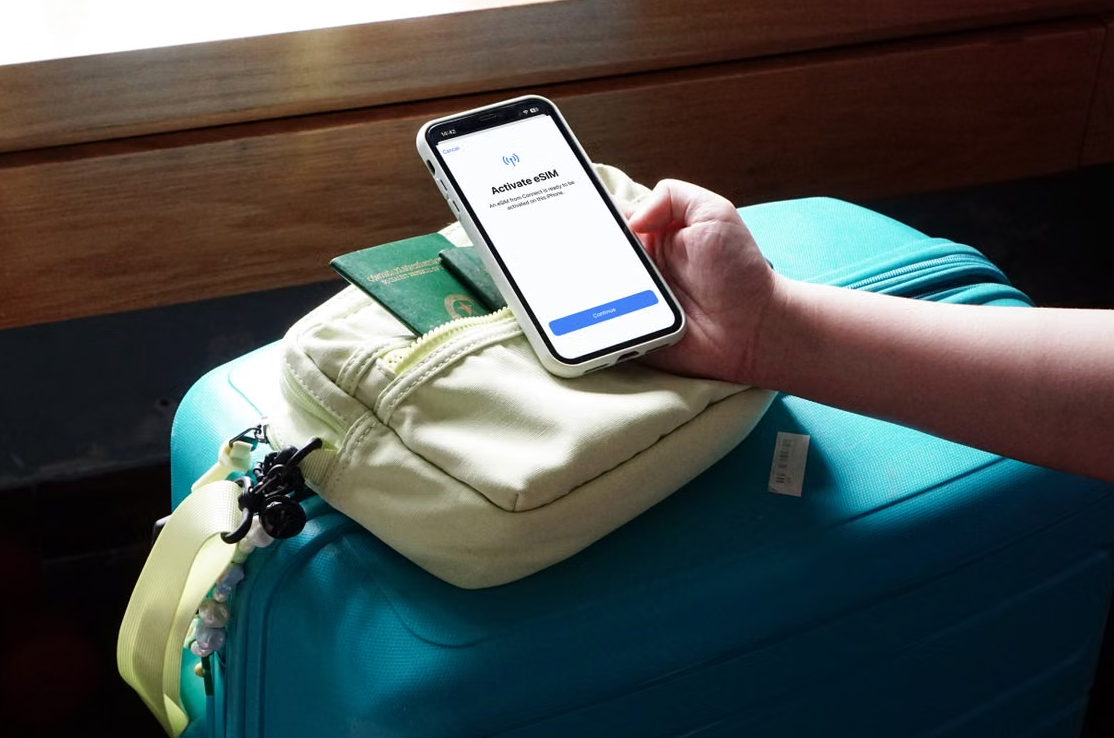
Before comparing prices, make sure your smartphone supports eSIM technology. Many newer iPhones, Samsung Galaxy devices, and Google Pixel models offer this feature, but compatibility depends on the exact model and sometimes the country where it was purchased. Your phone must also be carrier-unlocked.
When considering an eSIM Canada plan, think about how you will use your regular number. Many compatible phones support dual SIM functionality, allowing you to keep your primary SIM active while using the eSIM for mobile data. You can use travel data while retaining your usual number, subject to your carrier's settings.
Check your phone specifications or contact your carrier before buying. This quick check can prevent installation problems and clarify how your phone handles calls, messages, and data.
2. Compare Data Allowances and Plan Validity
Next, think about how you use your phone while traveling.
Do you mainly use maps and messaging, or stream videos and join work calls? Your habits are used to give an approximation of your data requirements.
Browsing and messaging typically consume less data compared to streaming or regular video calls. When you work at home or use your mobile phone as a hotspot, your allowance can get depleted more quickly. Shop according to your activities and not just price.
The duration of your stay is important as well. A short visit may suit a smaller package with seven or fourteen days of validity. Extended holidays and road trips might require additional data and validity. Check when validity begins: some plans start at installation, while others begin when the eSIM first connects to a Canadian network.
Also, find out whether you can top up. It allows you to be flexible in the event your trip extends or your usage goes up. The most appropriate package is one that suits your plans without making you feel short or spending on data that you do not use.
3. Understand Network Coverage Across Canadian Destinations
The size of Canada makes coverage a significant aspect of your decision. You may have a good connection in urban areas but not so reliable on rural roads or in mountainous regions. Consider your whole itinerary.
Toronto, Vancouver, Montreal, Ottawa, and Calgary tend to have developed mobile infrastructure. However, if your plans include Banff, Jasper, national parks, or long drives between towns, check coverage for those areas. Remote locations can have gaps, and no provider can promise a signal everywhere.
Check which mobile networks support your eSIM plan and whether it offers 4G or 5G connectivity. Since coverage and signal strength vary by location, review network availability across your planned destinations before purchasing.
Real-world speeds are based on conditions in the area, congestion, and device support. When you use maps in an outdoor field trip, you should download the necessary information before leaving places with reliable coverage. Checking coverage helps you plan realistically. Check each planned destination.
4. Review Activation Requirements and eSIM Setup
You would like to have your phone prepared when you get there, not spend hours troubleshooting. Providers usually email a QR code and instructions after purchase. Use the cellular settings of your phone to scan the code and proceed with adding the eSIM.
Where it is feasible, set it up prior to departure when it is on Wi-Fi. Read the instructions and retain the email as a reference.
Note the time when the plan will be in effect. Installation and activation are not always the same. Plans start being valid when the eSIM is installed, or when the phone initially connects to a Canadian network. This will allow you to save plan days prior to the beginning of your trip.
Once received, activate the eSIM and switch on mobile data. You may also need to enable data roaming on that line depending on the provider. You should not use the data roaming of your home carrier; follow the setup instructions.
5. Check Additional Features Such as Hotspot, Calling, And Top-Ups

Data is only one part of the decision. Think about what else you may need. Hotspot support allows sharing your phone connection to a laptop or tablet. It assists with work documents and reservations in the absence of Wi-Fi. Keep in mind that the same amount of data is used by connected devices.
There should be closer attention to calling and text messaging. Most travel eSIMs are usually data-oriented, and therefore they might not have a regular phone number, outgoing calls, or SMS. Other programs provide optional number services or voice minutes. When you have to make a call to hotels or any local businesses, make sure what is included. Do not think that all of the plans allow common cellular calls and verification messages.
Lastly, test the top-ups and see whether there is customer support in case you have any problems. Top-ups are easy and have clear instructions when you are not at home. Compare them against your needs rather than pay to use features that you might never use.
Conclusion
Choosing an eSIM for Canada is easier when you know what to check. Confirm that your phone is compatible and unlocked, estimate your data needs, and compare plan validity before buying. Then review coverage for your destinations and understand how installation and activation work.
Finally, decide whether hotspot sharing, calling options, and top-ups will make your trip more convenient. Preparation helps you avoid unexpected costs and connection problems. With a plan that fits your phone and travel habits, you can spend less time managing mobile data and more time enjoying Canada.
