
What Movies Can Teach Us About Interior Design: Creating Spaces That Tell a Story
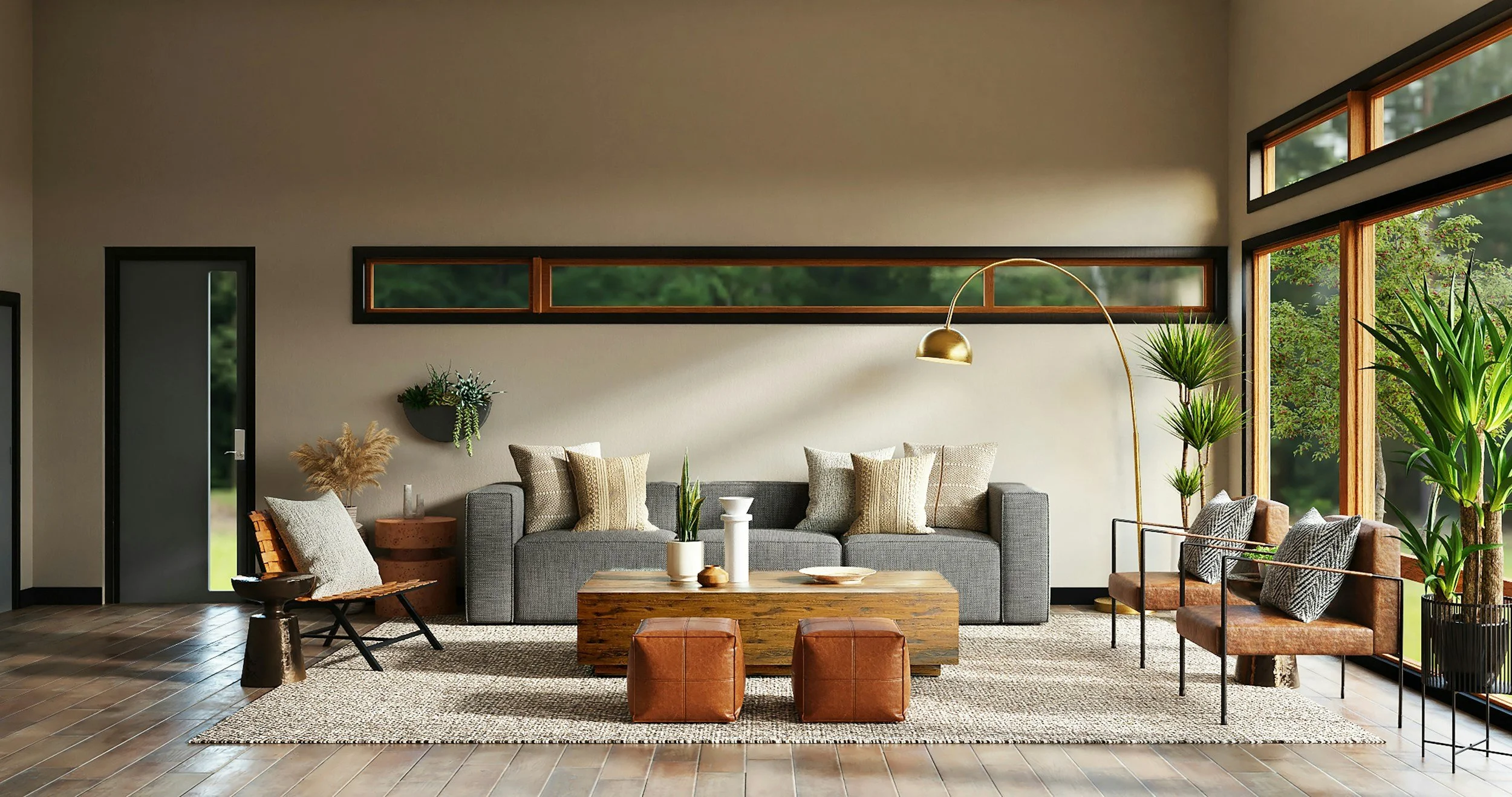
Movies have a unique ability to transport audiences into different worlds. A beautifully designed apartment, a mysterious old mansion, or a welcoming family home can communicate as much about a character as dialogue or action. Every detail, from furniture and lighting to colors and architectural features, contributes to the atmosphere of a film and helps audiences understand the people who inhabit its fictional world.
Although viewers may not always pay attention to these details, production design plays an essential role in cinematic storytelling. The spaces characters occupy often reflect their personalities, ambitions, relationships, and emotional journeys. Interestingly, many of the same principles can be applied to real homes. By looking at how movies use interiors to communicate ideas, we can discover valuable lessons about creating meaningful and inspiring living spaces.
1. Every Room Should Have a Story
One of the most interesting aspects of film production is the way locations are selected and designed to support the narrative. A character's home is rarely just a background. It often reveals important information about their lifestyle, personality, and personal history.
A minimalist apartment may suggest independence and a preference for simplicity, while a room filled with books, photographs, and collected objects can communicate curiosity and nostalgia.
The same principle applies to interior design. Instead of decorating a home simply to follow current trends, homeowners can use their surroundings to express their identities.
Family photographs, travel souvenirs, artwork, and meaningful decorative objects help create interiors that feel authentic. These personal details make a home memorable because they communicate something about the people who live there.
A successful interior should therefore tell a story, even when that story is expressed through subtle details.
2. Lighting Can Completely Change the Atmosphere
Filmmakers understand that lighting can influence how audiences interpret a scene. A room filled with natural sunlight often feels optimistic and welcoming, while dim lighting can introduce mystery, tension, or intimacy.
Interior design uses lighting in a similar way.
Natural daylight is one of the most valuable elements of a comfortable home. Large windows, suitable curtains, and carefully positioned mirrors can help create brighter and more inviting interiors.
Artificial lighting should also be considered carefully. Rather than relying on a single ceiling fixture, combining ambient, task, and accent lighting creates flexibility.
For example, a living room may need brighter illumination for social gatherings but softer lighting for watching films or relaxing in the evening. Adjustable lamps and dimmable fixtures make it easier to achieve different moods without changing the entire room.
Just as cinematographers use light to guide attention, homeowners can use lighting to highlight architectural details and create atmosphere.
3. Color Is a Powerful Emotional Tool
Color plays an important role in both filmmaking and interior design. Directors and production designers often use carefully selected palettes to reinforce emotions or distinguish different characters and environments.
Warm colors can create a feeling of energy and intimacy, while cooler shades often suggest calmness and distance. Darker palettes may introduce drama, whereas lighter tones can make spaces feel more open.
These principles can help homeowners make more thoughtful decorating decisions.
Neutral colors such as beige, cream, and soft grey provide versatile foundations. They can be combined with stronger accents through furniture, artwork, cushions, or decorative accessories.
The important lesson is that color should support the intended atmosphere of a room. A bedroom designed for relaxation may benefit from softer shades, while a creative workspace can incorporate more expressive colors.
4. Good Design Balances Beauty and Functionality
A film set must look convincing on camera, but it also needs to accommodate the practical requirements of production. Similarly, a beautiful home should not sacrifice functionality for appearance.
A room may look impressive in photographs, yet become uncomfortable if the furniture is poorly positioned or there is insufficient storage.
This is where professional planning becomes valuable. Experienced Interjero dizaineriai can help homeowners translate their ideas into practical and visually coherent interiors. By considering room proportions, circulation, lighting, materials, and furniture placement, they can create spaces that work as well as they look.
Professional guidance is especially useful when renovating older properties or designing smaller apartments, where every square meter needs to be used effectively.
The most successful interiors combine visual appeal with the practical requirements of everyday life.
5. Small Details Make a Big Difference
In memorable films, seemingly insignificant objects can carry considerable meaning. A photograph, an old book, a musical instrument, or a particular piece of furniture may represent an important memory or relationship.
Interior design also benefits from attention to detail.
Textures, decorative objects, hardware, fabrics, and artwork contribute to the overall character of a room. Even small choices, such as selecting warm metallic finishes or combining different natural materials, can influence how an interior feels.
However, there is an important distinction between thoughtful decoration and unnecessary clutter. Every object should contribute something to the overall composition.
A carefully selected piece of artwork may have a stronger visual impact than a collection of unrelated decorations. Similarly, a beautiful wooden table can become a natural focal point without requiring additional accessories.
6. Homes Should Reflect Personal Growth
Many films explore how characters change over time. Their surroundings often evolve alongside them, reflecting new priorities, relationships, and experiences.
Our homes can follow a similar pattern.
A room that once served as a child's play area may eventually become a study space. A spare bedroom might become a home office, while a living room can be rearranged to accommodate new interests or family routines.
Flexible furniture, adaptable storage, and timeless design choices make these transitions easier.
Rather than designing a home around temporary preferences, it is worth considering how different spaces may be used in the future.
This approach creates interiors that remain useful and meaningful even as lifestyles change.
7. Find Inspiration Without Copying the Screen
Movies offer endless visual inspiration, from elegant period interiors to contemporary minimalist apartments. However, recreating an entire cinematic setting is rarely necessary.
The more practical approach is to identify individual elements that create the desired atmosphere.
Perhaps it is the warm lighting of a romantic comedy, the natural textures of a countryside film, or the elegant simplicity of a modern drama. These ideas can be adapted to suit real homes, available budgets, and personal preferences.
The goal is not to live inside a movie set. It is to use cinematic inspiration to discover new possibilities for everyday spaces.
Conclusion
Movies remind us that environments have the power to communicate emotions, preserve memories, and influence experiences. Interior design applies many of these same principles to the spaces we inhabit every day.
Through thoughtful lighting, balanced colors, personal details, and functional layouts, homeowners can create interiors that feel authentic and inspiring.
Ultimately, the best homes, much like the best films, leave a lasting impression. They tell stories, create connections, and remind us that even the smallest details can make everyday life more meaningful.
