
Luxury Coffee Tables: A Guide to Choosing the Right Statement Piece
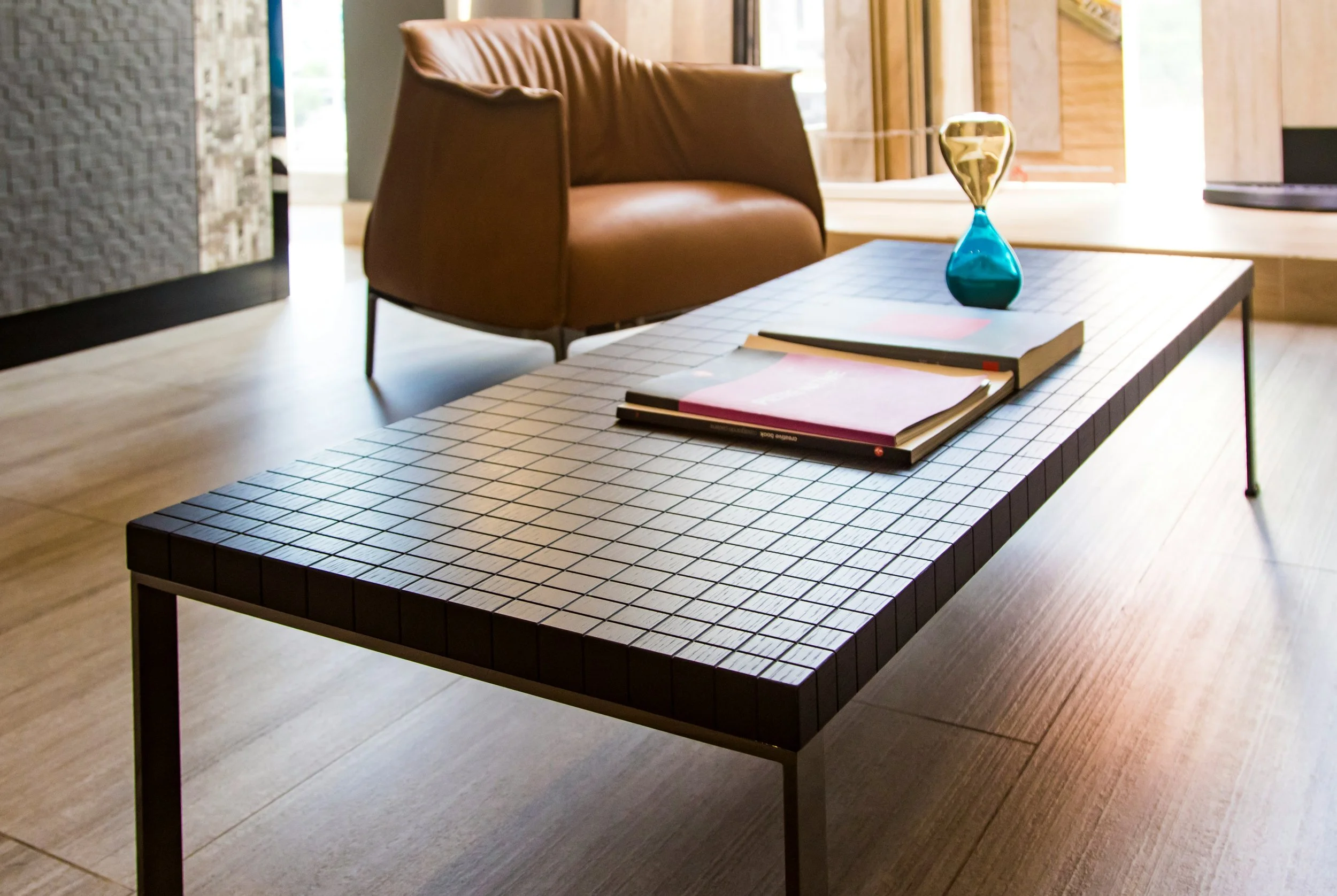
Photo by Gạch ốp lát đẹp on Unsplash
A coffee table can have a surprisingly strong influence on the appearance and functionality of a living room. Positioned at the centre of the seating area, it provides a convenient place for drinks, books and decorative items while also contributing to the overall interior design. Selecting the right table therefore requires consideration of both style and practicality.
For homeowners looking to create an elegant and refined environment, luxury coffee tables can offer an effective way to introduce character and sophistication. The ideal choice should complement the surrounding furniture while providing the right combination of durability, proportions and visual appeal.
Understanding What Makes a Coffee Table Luxurious
A luxurious coffee table is not necessarily defined by an elaborate appearance or expensive decoration. Quality construction, carefully selected materials and excellent craftsmanship can be just as important when creating a premium piece of furniture.
Common materials include marble, solid timber, natural stone, glass and metal. Designers may combine two or more materials to produce an interesting contrast. A smooth stone surface paired with a metal base, for instance, can work well in a contemporary setting, while a beautifully finished wooden design can add warmth to a more traditional interior.
Small details can also make a substantial difference. Well-finished surfaces, precise construction, smooth edges and sturdy connections contribute to the overall quality of a table and can help it remain attractive for years.
Choosing the Right Size for Your Living Room
The dimensions of a coffee table should always relate to the size of the room and the furniture surrounding it. An oversized table can restrict movement and make a compact living room feel cramped. On the other hand, a table that is too small may appear out of proportion when placed beside a large sofa.
Measure the available area before shopping and consider how much space people need to move around the table. Its height should also be compatible with the surrounding seating so that reaching for drinks or other items remains comfortable.
A simple way to test the dimensions is to outline the intended table size on the floor with removable tape. This gives you a clearer idea of how much floor space it will occupy before you purchase anything.
Selecting a Shape That Works With the Room
The shape of a coffee table should complement the arrangement and architecture of the room. Rectangular designs are a natural choice for longer sofas, while square tables can work effectively where several seating positions surround the central area.
Circular and oval tables can soften rooms dominated by straight lines. Their lack of sharp corners can also make it easier to move around the furniture, particularly in areas where space is limited.
For contemporary interiors, sculptural or asymmetrical designs can provide a distinctive focal point. However, a statement table should still work harmoniously with the rest of the room rather than making the space feel visually crowded.
Materials and Finishes to Consider
The material of a coffee table affects more than its appearance. It can also determine how much maintenance the piece requires and how well it performs during everyday use.
Stone and marble can create a sophisticated, high-end appearance, although some surfaces may need careful cleaning and protection from spills. Glass has a lighter visual effect and can help maintain an open feeling, but fingerprints and marks may require frequent cleaning.
Wood remains a versatile option for many interiors. Lighter timber can contribute to a fresh, contemporary atmosphere, while darker finishes can create a richer and more traditional character.
Metal can be incorporated through the frame, legs or decorative elements. Depending on the finish, it can provide either a subtle accent or a stronger industrial or contemporary appearance.
Matching the Table With Existing Furniture
A coffee table does not necessarily need to match the sofa or other furniture exactly. Using complementary materials, colours and textures can often produce a more interesting and sophisticated result.
Start by considering the existing palette of the room. A neutral sofa, for example, can provide a suitable backdrop for a distinctive stone table. If the room already contains colourful furniture, patterned upholstery or a striking rug, a more understated table may help maintain balance.
It is also useful to consider the relationship between the table, sofa, flooring and lighting. These elements are visually connected, and repeating certain colours, finishes or textures can help create a unified interior.
Balancing Style and Everyday Function
A coffee table should be attractive, but it also needs to accommodate the way the household uses the living room. Think about whether it will mainly hold decorative accessories or whether it will regularly be used for drinks, books, snacks and other everyday objects.
Tables with shelves, drawers or lower compartments can provide additional storage, helping to keep frequently used items organised. Minimalist designs without storage can be more suitable for people who prefer a clean and uncluttered appearance.
Practical considerations are especially important in busy households. Homes with children may benefit from rounded corners and resilient materials, while people who regularly entertain guests may prefer a larger surface that provides enough room for serving items and drinks.
Creating a Cohesive Interior
A coffee table should form part of the overall interior rather than appearing as an isolated feature. Consider the style you want to establish throughout the room and select a design that reinforces that direction.
Contemporary spaces often suit clean shapes, simple details and modern materials. Traditional interiors may work well with natural wood and more classic forms, while eclectic rooms can accommodate distinctive shapes and combinations of materials.
Decorative accessories can also help integrate the table into the room. A tray, a few carefully selected books, a vase or another understated object can add interest while leaving enough usable space on the surface.
Making a Long-Term Investment
Since a quality coffee table can remain in a home for many years, it is worth looking beyond short-lived trends. Consider whether the design will continue to complement your interior if you eventually change the sofa, flooring, wall colours or other furnishings.
Durable construction, versatile materials and balanced proportions can make a table easier to adapt to future decorating changes. A distinctive piece can also become a lasting focal point when its design reflects the homeowner's personal preferences.
Ultimately, selecting a luxury coffee table involves finding an appropriate balance between design, quality, size and everyday usability. By considering the room's dimensions, existing furniture, preferred materials and practical requirements, homeowners can choose a table that contributes to an attractive and comfortable living environment.
