
MOVIE REVIEW: Coyote vs. Acme
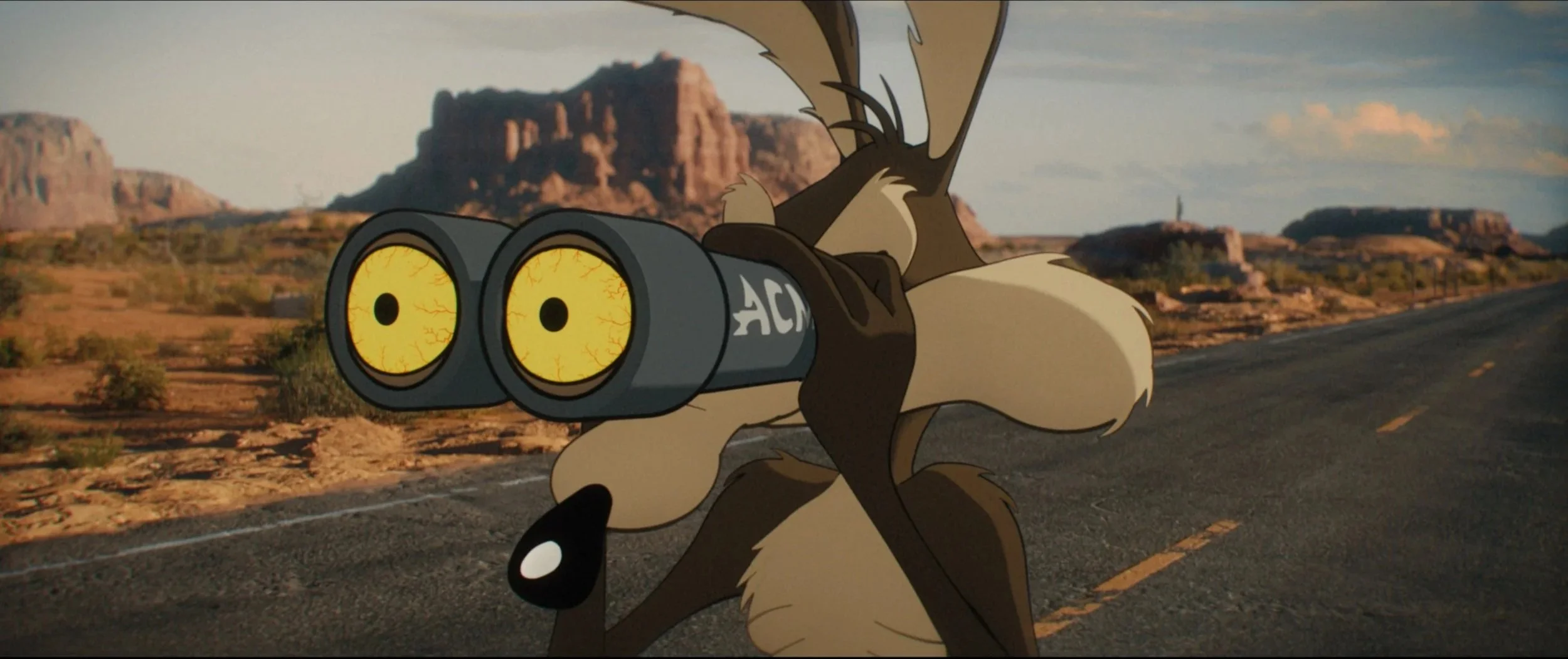
Images courtesy of Warner Bros. Animation and Ketchup Entertainment
COYOTE VS. ACME— 4 STARS
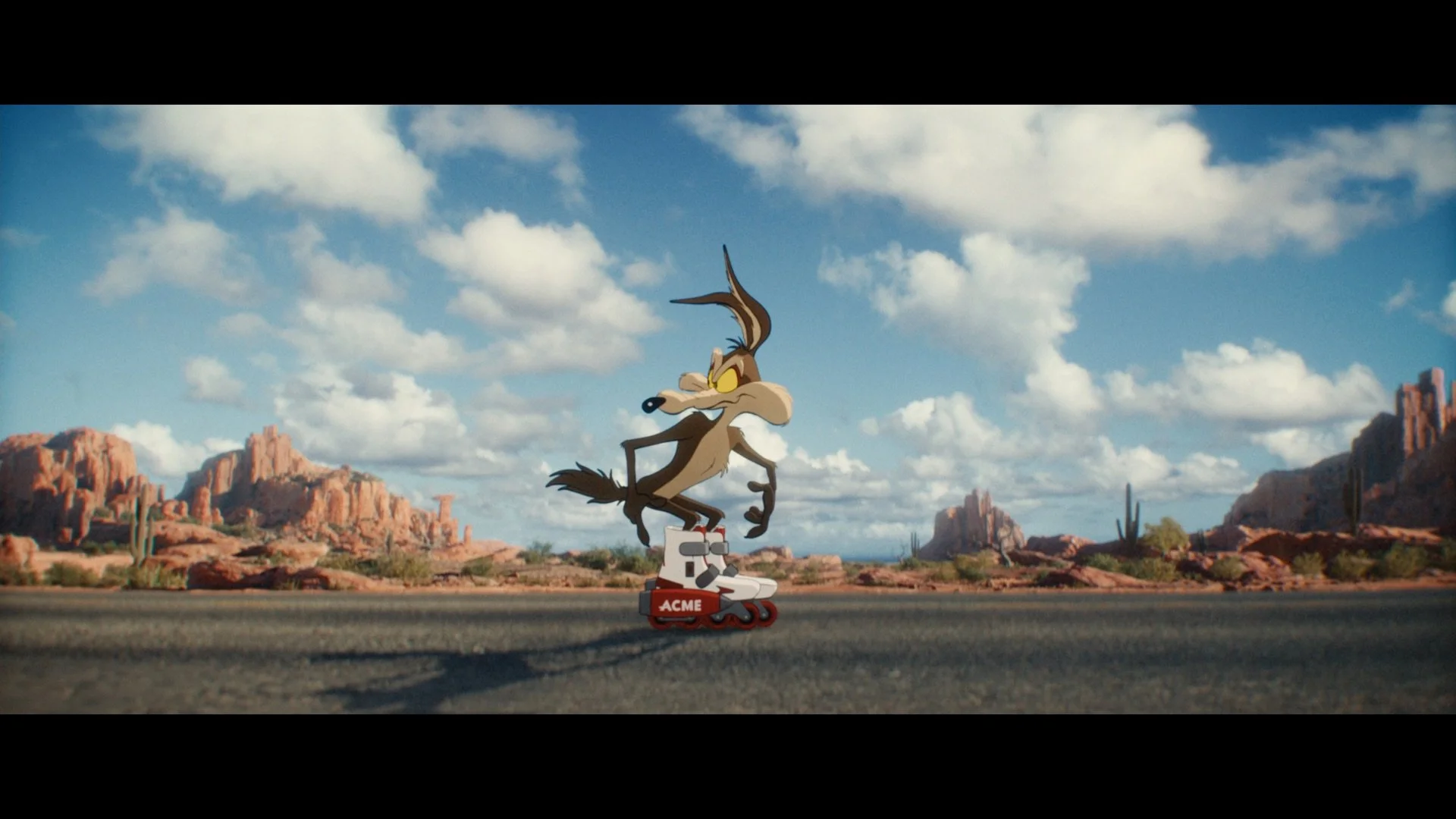
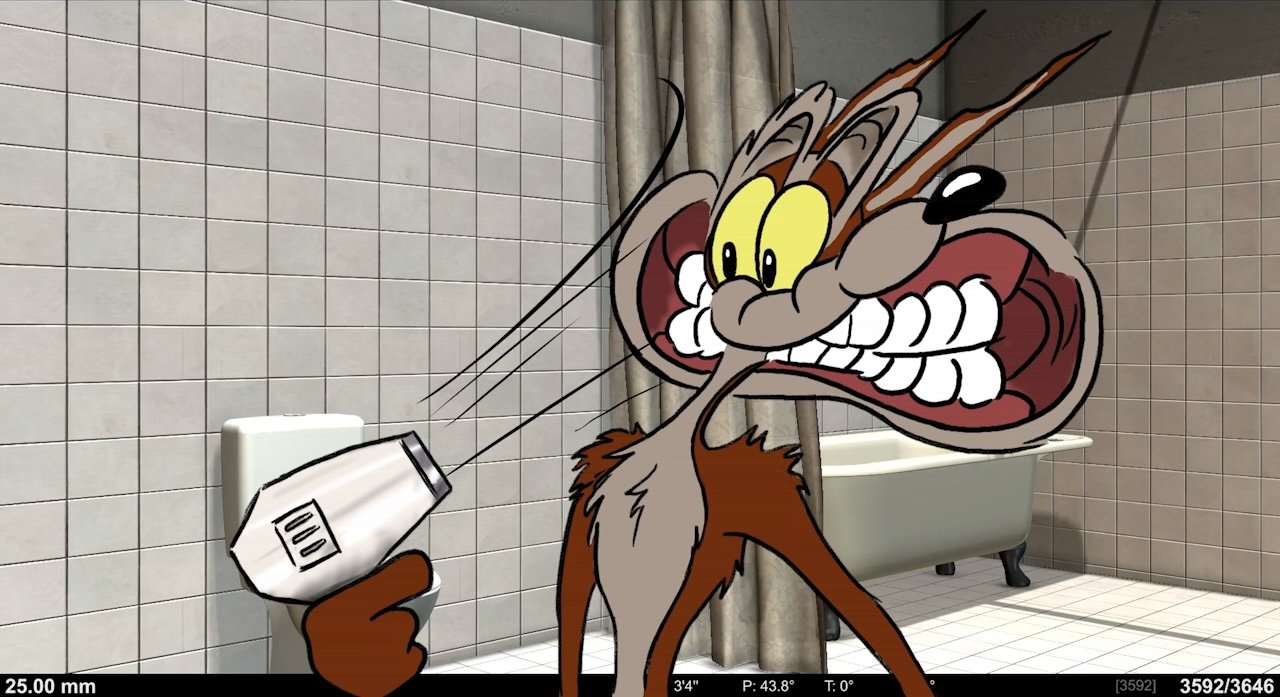
From the opening scene through every second of Coyote vs. Acme, one of the film's most masterful aspects is the impeccable merging of live-action subjects and settings with traditional hand-drawn animation. Like the magic of Robert Zemeckis’s classic Who Framed Roger Rabbit? achieved two generations ago to enhance, accentuate, but not take over a movie screen like the green-screen CGI slop of today, the performance choreography of the cast and the deft on-the-move framing of The Naked Gun cinematographer Brandon Trost create complete visual believability. Now, on its own, that level of craft is a cute optical stunt, but Oscar-nominated May December screenwriter Samy Burch and Teenage Mutant Ninja Turtles: Out of the Shadows director Dave Green (how’s that for a curveball creative combination, by the way) didn’t stop there.
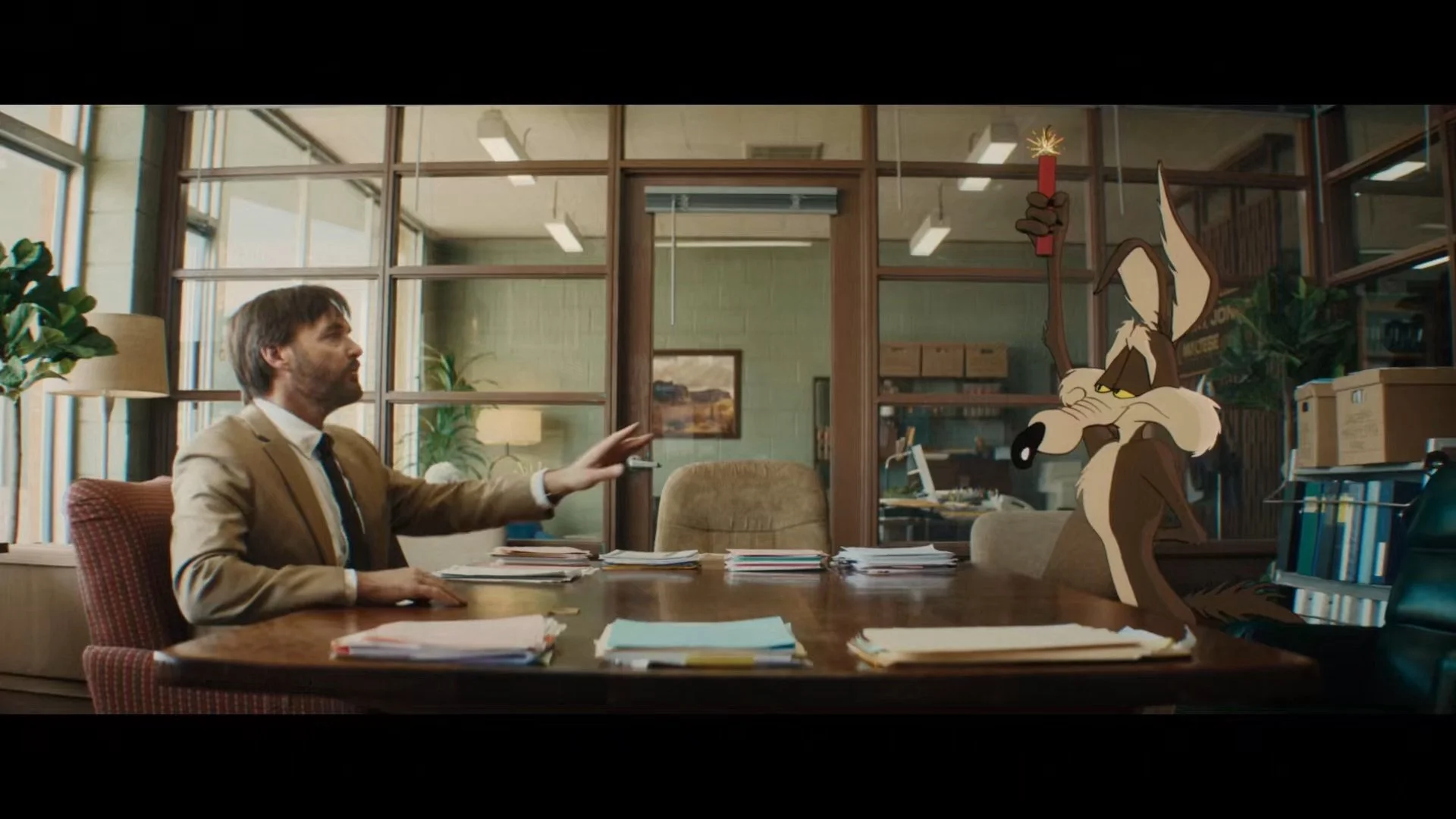
LESSON #1: PLACING THE ILLOGICAL WITHIN THE LOGICAL— From a world-building and storytelling standpoint in Coyote vs. Acme, the real immersive trick in matching Zemeckis before them is how everything corporeal and everything drawn occupy the same world with no one batting an eye. Cartoon characters and humans share common living spaces, workplaces, resources, citizenship, and more with complete side-by-side acceptance. Ingeniously, Coyote vs. Acme has placed the illogical within the logical seamlessly and made it the norm.
From there, with that confident grasp, Burch and Green can tell any kind of story they want with the classic cast of Looney Tunescharacters, and we’ll gladly follow the newfangled and enlivened ride. Sure enough, they have a doozy of a story for us that simultaneously slaps our knees with humor and our faces with a silly and sobering dose of topical social commentary. The result is one of the most flat-out entertaining and endlessly clever movies of recent memory.
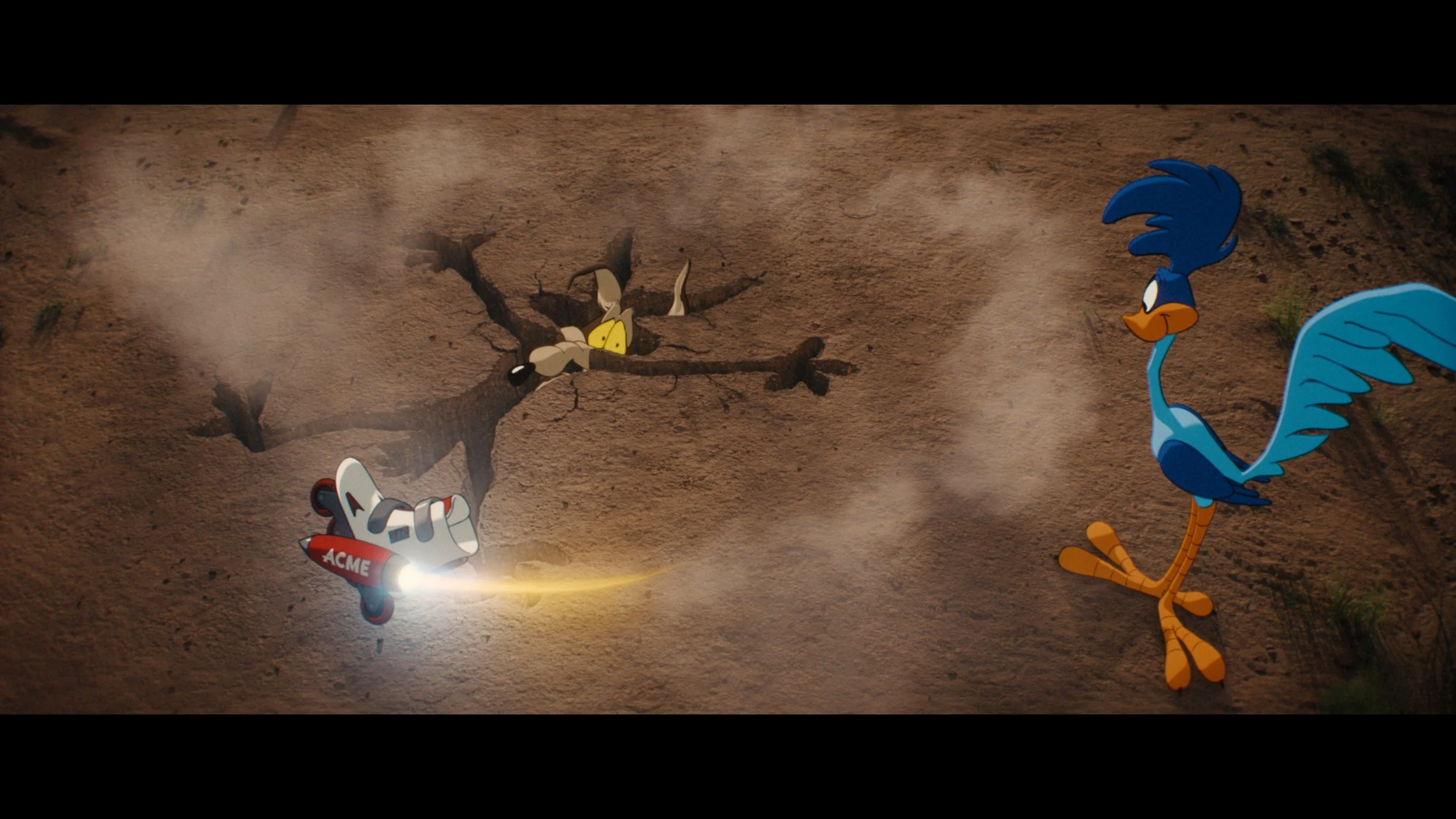
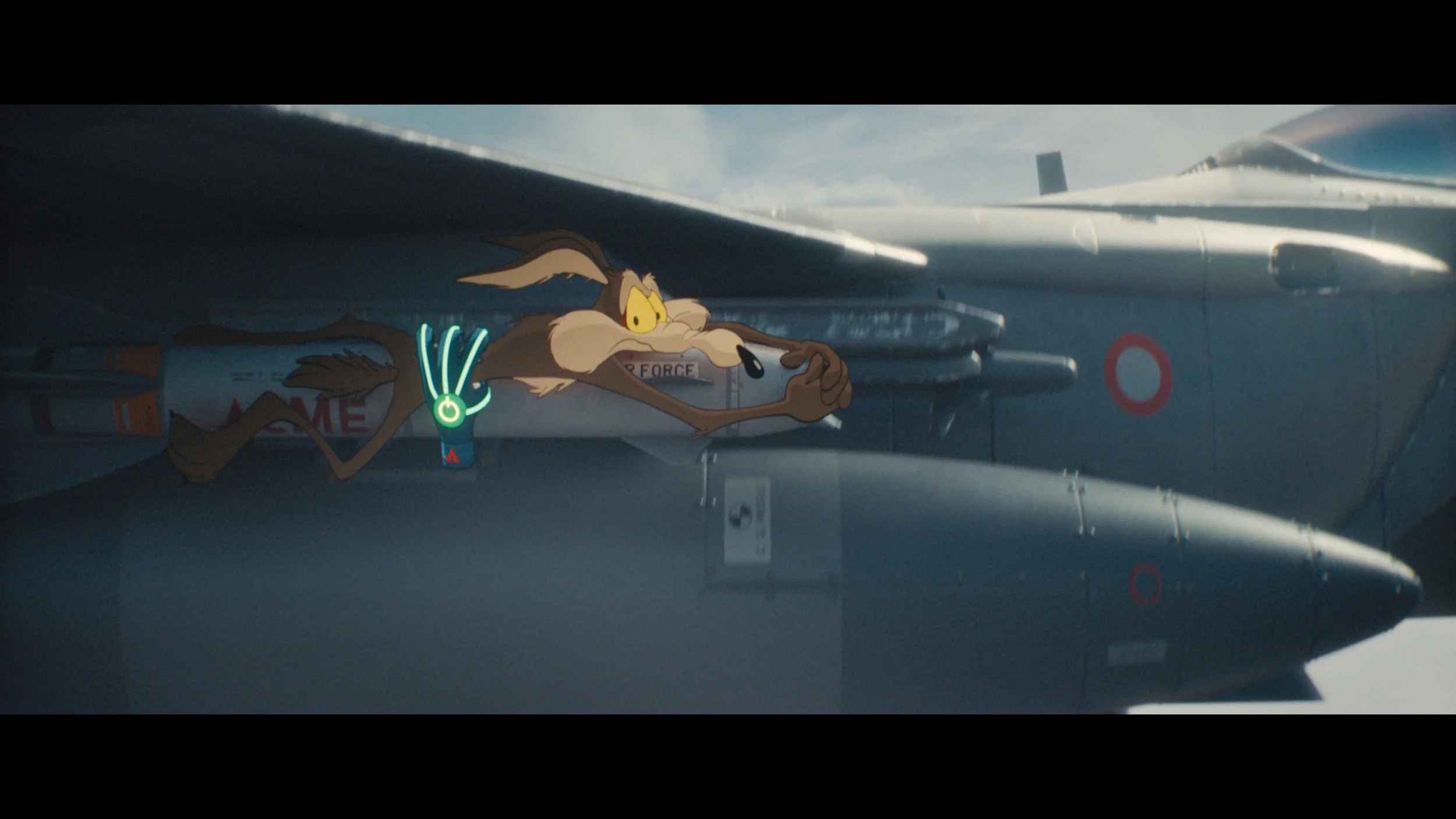
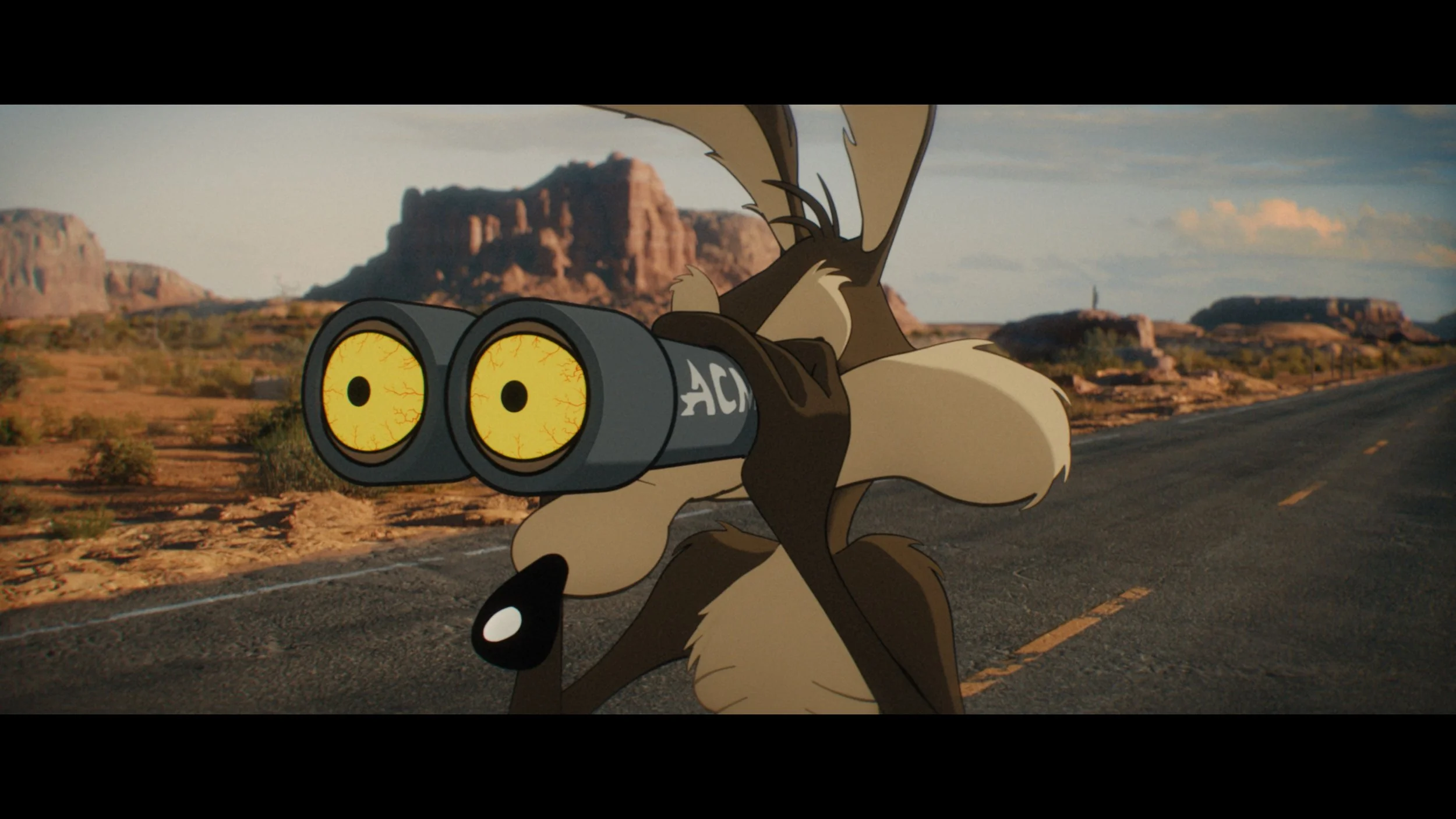
Coyote vs. Acme centers on Wild E. Coyote’s lifelong quest to catch his deliciously prized Road Runner. Since 1949’s Fast and Furry-ous (for a treat, see the original chase in three parts here, here, and here), and through 48 other short films, Wily has endured an eternal run of painful failures. Over the years, many of his best-laid plans—sketched on elaborate blueprints and sorted into a vast bank of file cabinets in his home cave—have involved trying out several inventive products from the Acme Corporation, led by CEO Foghorn Leghorn. No product has ever worked properly, and they too have piled up in his cavernous domicile.
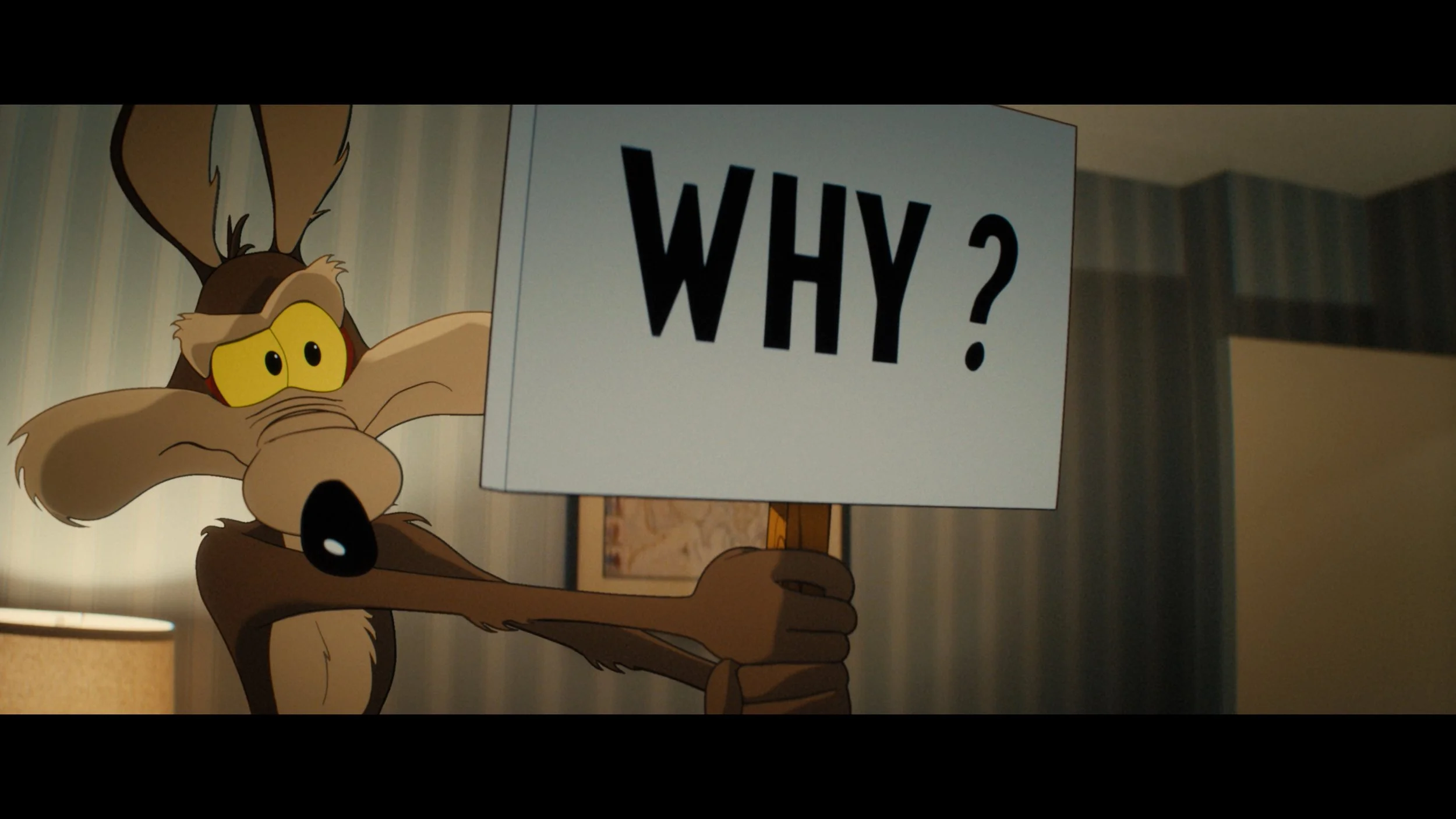
LESSON #2: GET YOURSELF A LAWYER— Stewing after another failure, Coyote sees a TV ad from the Albuquerque, New Mexico law firm Avery, Jones, and Maltese. Their lead attorney, Kevin Avery (MacGruber himself, Will Forte, playing the redemptive schlub to perfection), is calling for any individuals out there who have been wronged by any of the myriad of mail-order products from Acme to come forward and get the legal representation and restitution they deserve. Without the usual literal lightbulb dinging over his head (but we know it’s there), Wile sees this as a new and unique opportunity to catch the Road Runner, not on the highways and byways of the American Southwest, but stopped and seated on a future witness stand. Putting a spotlight on the faults of Acme is merely a bonus.
LESSON #3: THERE’S PROBABLY SOMEONE TO BLAME— The sheer size of Wile E. Coyote’s case as a “high usage user” of Acme products overwhelms Kevin Avery, who’s used to smaller and simpler settlements. Spurred on by his legal assistant niece Paige (Lana Condor of the To All the Boys film series), Kevin’s firm gets locked into a David vs. Goliath legal battle against Acme chief legal counsel, Buddy Crane, an old rival of Kevin’s, played with a delightfully evil sheen by wrestler-turned-movie-star John Cena. The blame game is on between Kevin, trying to cite a causal connection between Acme product failures, and Crane’s implications that Wile’s actions are reckless and ensuing injuries are self-inflicted. Naturally, plenty of madcap hijinks and daring physical comedy ensue where Coyote vs. Acme is not solely bound to the courtroom.
LESSON #4: WATCH OUT FOR THE MEGACORPORATIONS— Dramatic irony exists in Coyote vs. Acme of clearly knowing the good guys from the bad guys very early on. As a narrative vessel to create cameo supporting roles for the Merrie Melodies gang of Bugs Bunny, Daffy Duck, Tweety Bird, the Tasmanian Devil, and even deeper character cuts, a background subplot is slowly being revealed of corporate secrets at the defendant megacorporation of innovation—born from humble beginnings as a cartoon anvil company before branching out to create all the best and most popular products on the human side of the economic marketplace. Their nefarious success came from the exploitation and dangerous research-and-development experimentation on the seen-as-inferior cartoons first.
LESSON #5: TO STOP TRYING OR KEEP TRYING?— Using those parallel allusions, not all that uncommon to corporate greed seen in life beyond the red curtain that opens and closes a Looney Tunes episode, Coyote vs. Acme has a search for truth that will elicit some winking nods from the knowing adults in the crowd. Playing from Kevin and Wile’s underdog side of things, there is an underlying message between times to stop trying or keep trying, and whether one or the other choice is wise or a type of defeat. That type of smartness to rub some chins will also, in a very positive and proactive manner, rub some content-centered and consumer-focused children the right and, hopefully, mindful way. Prodding those kinds of values next to good, old-fashioned slapstick fun is an absolute win for a family film.

LOGO DESIGNED BY MEENTS ILLUSTRATED (#1423)
