
How an AV Company in Santa Barbara Can Create a More Cinematic Event Experience
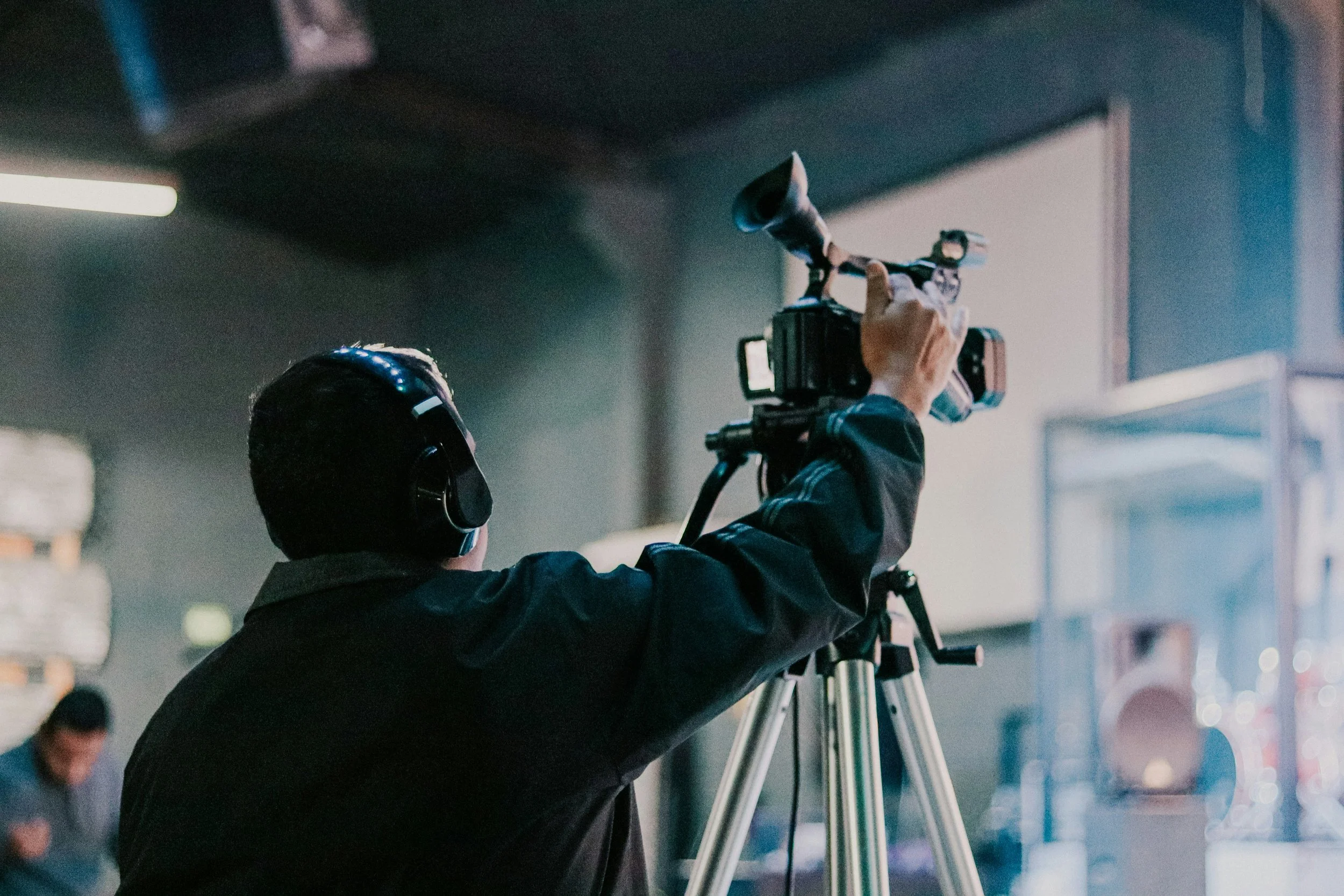
Photo by Melyna Valle on Unsplash
A memorable event is about more than what guests see when they enter a venue. It is about how the entire experience feels. Lighting, sound, video, staging, and timing can transform an ordinary room into an immersive environment that feels carefully produced from beginning to end.
This is where professional audiovisual production becomes especially valuable. Whether the event is a wedding, corporate gathering, awards ceremony, product launch, or private celebration, the right AV strategy can create an atmosphere that feels less like a standard function and more like a cinematic production.
What Makes an Event Feel Cinematic?
A cinematic event does not necessarily mean filling a venue with enormous screens and dramatic special effects. In many cases, subtle production choices make the biggest difference.
Think about how a film guides the audience's attention. Lighting tells viewers where to look. Music changes the emotional tone of a scene. Visuals establish context, while transitions keep the experience moving naturally.
Events can use many of the same principles.
Instead of illuminating an entire room uniformly, lighting can highlight architectural features, tables, stages, floral arrangements, or speakers at specific moments. Music can gradually shift as guests move from cocktails to dinner and then into entertainment. Video displays can introduce speakers, showcase branded content, or create visual backgrounds that complement the theme.
The goal is to make all these elements feel connected rather than treating them as separate technical components.
Designing Lighting Around the Experience
Lighting is one of the fastest ways to change how a venue feels.
Santa Barbara offers a wide range of event environments, from coastal properties and resorts to vineyards, historic venues, and private estates. Each setting presents different opportunities and technical considerations.
For example, an outdoor reception may begin while natural daylight is still present. As sunset approaches, carefully placed architectural and ambient lighting can gradually become more prominent. Guests experience a smooth visual transition instead of suddenly finding themselves in a dark event space.
Inside a ballroom, lighting can serve a different purpose. Pin spotting can draw attention to centerpieces, while stage lighting makes speakers and performers clearly visible. Decorative lighting can also introduce texture and depth to walls that might otherwise appear flat.
A cinematic approach means considering how the lighting should evolve throughout the event rather than choosing one setup and leaving it unchanged all evening.
Using Sound to Shape the Atmosphere
Guests quickly notice poor audio, even when they cannot explain exactly what is wrong.
A microphone that feeds back, music that overwhelms conversations, or a speech that guests cannot understand can interrupt an otherwise polished experience.
Professional sound design considers the size and shape of the venue, audience location, speaker placement, acoustics, and the type of programming planned.
For a ceremony, the priority might be ensuring every guest can clearly hear the couple or officiant. At a corporate event, presentations and panel discussions require clear, consistent speech throughout the room. Later, the same space might need enough audio coverage for live entertainment or dancing.
Rather than simply making everything louder, good audio engineering aims for clarity and consistency.
Making Video Part of the Environment
Video technology has become much more versatile than the traditional projector and screen.
LED displays, projection, monitors, and custom video installations can become part of the overall event design. They might display branded animations at a corporate launch, photographs during a wedding reception, presentation materials during a conference, or live camera feeds during a large event.
The important consideration is scale.
A display that is too small can become difficult to see, while an oversized screen can dominate a carefully designed room. Screen placement should also account for sightlines so guests can comfortably view important content without constantly turning around.
When video technology complements the venue instead of competing with it, it contributes naturally to the cinematic effect.
Coordinating AV With Event Design
Some of the strongest event productions happen when audiovisual planning begins early.
Waiting until the final stages of planning to consider speakers, screens, cables, lighting fixtures, and power requirements can create unnecessary limitations. Equipment may interfere with décor, or technical teams may discover that a planned installation is impractical for the venue.
Working with an experienced AV Company in Santa Barbara during the planning process allows audiovisual elements to be coordinated with the venue layout, décor, entertainment, and event schedule.
For instance, lighting fixtures can be positioned before floral installations are finalized. Screens can be incorporated into the stage design rather than added afterward. Speaker placement can be planned around guest seating instead of becoming an obstruction.
The result is a cleaner and more intentional production.
Creating Dramatic Moments Through Timing
Technology becomes particularly effective when it supports specific moments.
Imagine an awards presentation where the room lighting subtly dims before the winner is announced. Music builds, a video package begins, and stage lighting changes precisely as the recipient walks forward.
Individually, none of these elements is unusual. Their coordination is what creates impact.
The same principle works for weddings and private celebrations. Lighting can change for a first dance, music can transition as dinner ends, or a video presentation can lead naturally into a toast.
These moments feel spontaneous to guests, but they usually depend on careful preparation and communication behind the scenes.
Building a Strong Technical Run of Show
A detailed run of show helps the AV team understand exactly what should happen and when.
It may include speaker entrances, microphone changes, video playback, lighting cues, musical transitions, presentations, entertainment, and other technical requirements.
Rehearsals are particularly useful for complex events. They give technicians an opportunity to test equipment, confirm timing, and identify problems before guests arrive.
Even smaller events benefit from having clear cues. When the production team knows what is happening next, transitions become smoother and less noticeable.
That invisibility is often the sign of excellent event production. Guests should experience the moment rather than think about the technology making it possible.
Considering the Venue's Technical Limitations
Every venue has limitations that can influence production.
Power availability, ceiling height, rigging restrictions, noise ordinances, loading access, internet connectivity, and weather conditions may all affect an AV plan.
Outdoor Santa Barbara events require additional attention. Wind can influence audio quality and projection surfaces, while moisture and changing temperatures may affect equipment. Events near residential areas may also have strict sound restrictions.
A site visit can help identify these issues early enough to develop practical solutions.
Technology Should Support the Story
The most impressive event is not necessarily the one with the most equipment.
Adding screens, speakers, lights, and effects simply because they are available can make an event feel cluttered. Every production element should have a purpose.
Before choosing equipment, planners can ask a simpler question: What should guests feel during this moment?
A product launch might need excitement and anticipation. A wedding ceremony may call for intimacy and warmth. An awards dinner might require elegance during dinner followed by higher energy during the presentations.
Once the desired experience is clear, technology can be selected to support it.
Final Thoughts
Creating a cinematic event experience comes down to thoughtful coordination. Lighting establishes atmosphere, audio creates clarity and emotion, video adds visual storytelling, and precise technical cues bring everything together.
The strongest productions make these elements feel almost invisible. Guests may not notice where speakers are positioned or how many lighting fixtures are being used, but they notice that speeches sound clear, important moments look beautiful, and transitions happen effortlessly.
When audiovisual production is considered as part of the creative process rather than simply a technical requirement, even a familiar venue can become an immersive, memorable experience.
