
Best Tea Sets in 2026: A Straight-Talking Buying Guide for Every Budget
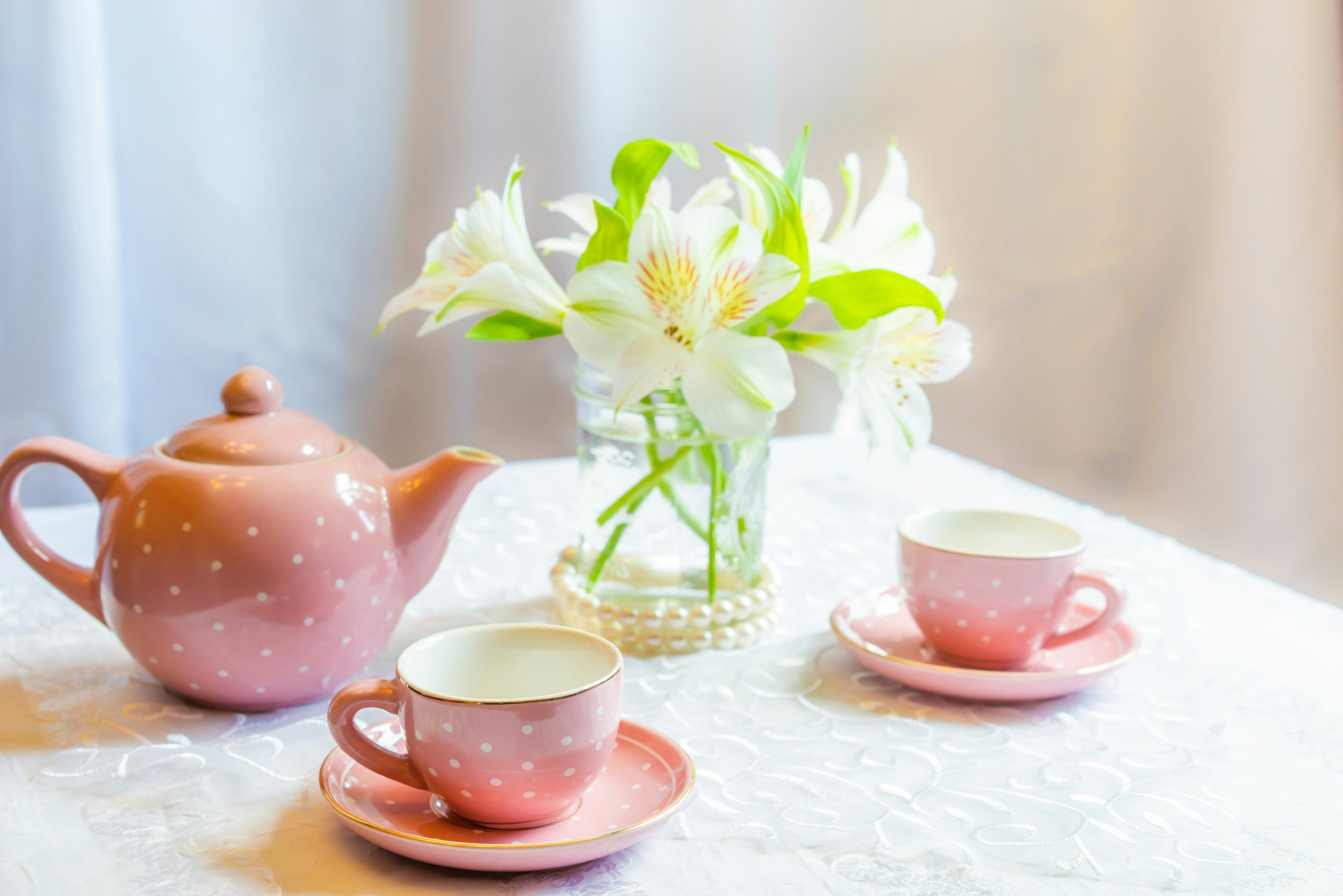
Photo by carolyn christine on Unsplash
A tea set is a matched collection of teaware — typically a teapot plus cups, and depending on tradition, saucers, a creamer and sugar bowl, or gongfu accessories like a fairness pitcher and tasting cups — built around how a specific style of tea is brewed and served. Choosing the right one comes down to three variables: the tea you drink most (black tea suits Western-style bone china or porcelain; oolong and pu-erh suit cast iron or yixing clay; green and white teas pair best with glass or unglazed porcelain), how many people you typically serve (300–500ml for solo brewing, 600ml–1 litre for two to four people), and your budget (under $50 for a beginner set, $50–$120 for the best everyday value, $120–$300 for heirloom-quality gifting and ceremony sets). Tea Set Box carries options across all three categories, from entry-level ceramic sets to traditional gongfu rigs.
Most buying guides for tea sets fall into one of two traps: they either push the cheapest sets that crack after six months, or they recommend £300 bone china collections at readers who just want a decent cup after dinner. Neither approach is helpful. The tea set market has genuinely matured — there are solid options at every price point, from a dependable $35 everyday ceramic set to full gongfu rigs that cost more than an espresso machine.
What actually separates a great tea set from a forgettable one isn't the price tag. It's the match between the set and how you actually brew. A cast iron teapot that holds heat brilliantly for oolong is the wrong tool for a delicate Japanese green tea. A six-piece bone china service built for entertaining is overkill for someone brewing solo at 7am. This guide breaks down the choices by material, price, and use case — so you don't spend money twice.
The range you're choosing from has expanded significantly. Tea Set Box carries everything from beginner ceramic sets to traditional Asian ceremony rigs, which makes it a useful single stop if you want to compare across styles before committing.
What "Complete" Actually Means — and Why It Depends on the Tea
Listings routinely use the word "complete," but that word carries different meaning depending on tradition. A Western tea service typically includes a teapot, four to six cups with saucers, a creamer, and a sugar bowl. That's the format designed for black tea with milk and sugar — afternoon tea, English-style entertaining, or a formal sit-down service.
A Japanese sencha set looks nothing like that. It usually comes with a small kyusu teapot (180–360ml is standard), five handleless yunomi cups at around 70–100ml each, and nothing else. There's no creamer, no sugar bowl, no saucers. That's not an oversight — it reflects how the tea is served. You don't add dairy to sencha, and the small cups encourage multiple short infusions rather than one large pour.
Chinese gongfu sets go further still. A proper gongfu setup includes a gaiwan or yixing teapot, a fairness pitcher (also called a chahai), a strainer, individual tasting cups, and usually a tea tray to manage the pour-off water. The whole ritual runs on 100–200ml brews repeated six to ten times. Compare that to a Western teapot designed to make one large pot and serve it over 20 minutes — they're solving completely different problems.
Before you evaluate any tea set, decide which kind of complete you actually need. Buying a Western-style service when you primarily brew oolongs means you'll own something beautiful that sits on a shelf.
Materials: What Each One Does for Your Tea
Ceramic Tea Sets
Ceramic is the most common material at the $30–$80 price point, and for everyday Western-style brewing it's a genuinely good choice. Ceramic retains heat reasonably well, it's chip-resistant compared to thin porcelain, and the surface doesn't affect tea flavour. A well-fired stoneware teapot will handle boiling water and daily washing for years without issue.
The weak point is weight. Dense stoneware teapots can be heavy when full — a 1-litre stoneware pot filled with water weighs close to 1.5kg. If you're pouring for elderly guests or have wrist issues, that's worth factoring in. Also worth checking: ceramic glaze quality varies significantly between manufacturers. Cheap ceramic sets sometimes use low-fire glazes that craze (develop fine surface cracks) after 12–18 months of regular use. Check that any ceramic set you buy is food-safe, dishwasher-safe, and fired at a temperature that ensures glaze stability.
Porcelain and Bone China
Porcelain is fired at higher temperatures than standard ceramic — typically 1,200–1,400°C versus 1,000–1,150°C for earthenware. The result is a harder, denser, more translucent material that chips less easily than you'd expect for how fine it looks. High-quality porcelain teapots can last decades with basic care.
Bone china adds calcined bone ash (typically 25–45% of the composition) to the porcelain mix, which increases translucency and gives the material its characteristic warm white tone. Brands like Wedgwood and Royal Albert have been producing bone china since the 18th century; the format became Britain's formal tea service standard largely because bone china resists thermal shock better than earlier porcelains. Modern bone china sets in the $80–$200 range are an excellent choice for gifting — they look premium, hold heat well, and if handled with care, they're durable.
The honest caveat: neither porcelain nor bone china belongs in a dishwasher if the pattern includes gold or platinum trim. The metallic decoration oxidises over time. Hand wash anything with gilt edges, no exceptions.
Cast Iron Teapots
Cast iron teapots — the Japanese tetsubin style — are the heaviest option and the best at heat retention. A cast iron pot holds near-boiling temperature for 20–30 minutes without any external heat source, which makes it excellent for teas that want consistent temperature across multiple cups: oolong, pu-erh, and black teas primarily.
One important distinction: traditional tetsubin (the kind used over a charcoal fire) are unlined cast iron and can actually impart minerals into water — a feature some tea drinkers value. Most cast iron teapots sold today are enamel-lined inside, which prevents rust and makes them safe for direct water contact. They cannot be used over a direct flame if they're enamel-lined — they're infusers only, not kettle replacements. Expect to pay $60–$150 for a good enamel-lined cast iron set.
Glass Tea Sets
Borosilicate glass teapots have become much more common since 2015, and for good reason. They're visually striking — watching a blooming tea flower unfurl inside a clear pot is genuinely satisfying — and they're flavour-neutral in a way that even good ceramic isn't. There's no seasoning period, no risk of flavour carry-over between teas, and the material doesn't retain odours.
The trade-off is heat retention. Glass loses temperature faster than any other material, so glass sets work best for teas brewed at lower temperatures: white teas, green teas, floral teas. If you're regularly brewing hearty black teas and want the cup to stay warm through a long reading session, a glass pot will frustrate you.
Price by Price: What Each Tier Actually Delivers
Under $50: Functional, With Caveats
There are usable tea sets under $50 — but you're buying for function, not longevity. At this price, ceramic quality is average, lids fit loosely, and infuser baskets often have openings too wide for small-leaf teas like gyokuro or fine Chinese greens. Most mass-market sets in this range skip the internal coating refinement that prevents crazing, which means you'll see surface cracking within 12–24 months of regular use.
Best use case for under $50: a beginner set to figure out what you like before spending more, or a kids' tea party set where durability matters more than refinement. Don't gift at this tier unless it's clearly novelty or decorative.
$50–$120: Where the Value Lives
This is the most competitive segment of the market. At $60–$100 you can buy a well-made ceramic or porcelain set that will last five to ten years with normal care. Lids fit properly, infuser baskets are fine-gauge, and the glaze quality is noticeably better. This is the range where Japanese kyusu sets — often $70–$110 for a legitimate unglazed clay or fine porcelain version — become accessible, and where entry-level bone china sets start appearing.
For everyday use, a $75–$90 ceramic or porcelain tea service is genuinely the sweet spot. You get the quality that makes daily brewing pleasant without paying a premium for the brand name on the box.
$120–$300: Premium Daily Use and Serious Gifting
At this price point you're accessing materials and craftsmanship that lower tiers simply can't match. This is where yixing clay teapots enter the picture — hand-formed from specific Jiangsu province clay, authentic yixing starts around $80–$100 for factory production and rises to several hundred dollars for hand-thrown pieces. A genuine yixing pot seasons over time, absorbing the oils from whichever tea it's used with, eventually enhancing the brew in ways you can only notice after months of use.
This is also where artisanal Japanese ceramics, high-end bone china from established British potteries, and full gongfu sets with matched accessories become available. At $200–$300, you're buying a set that can be an heirloom — not a product that cycles out in three years.
Common Mistakes That Cost People Money
Buying the wrong volume is the most common error. A 1.2-litre teapot sounds generous until you realise it brews eight cups of tea that'll go cold before anyone drinks them. Solo brewers should look for 300–500ml capacity. Pairs work well with 600–800ml. A 1-litre pot is appropriate if you're routinely serving four or more people.
Ignoring the strainer design is the second mistake. Built-in basket infusers with fine mesh allow full-leaf teas to expand properly, which is where most of the flavour lives. Coarse infusers — the kind with holes large enough to see through easily — are fine for tea bags but defeat the purpose if you're brewing loose leaf. Always check the infuser mesh size before buying a set for loose leaf use.
Buying mismatched sets is an underrated problem. Some online listings show teapots with cups from a different collection in the photos. Confirm that the teapot and cups you're purchasing are from the same kiln run — glaze colour and finish can vary between batches even from the same manufacturer, and a set that photographs as matching can arrive with obvious tone differences.
Finally, don't overlook the lid fit. A lid that wobbles or falls off during pouring is a safety issue, not just an annoyance. When buying online, read reviews specifically for lid-fit comments. It comes up more than you'd expect.
How to Match a Tea Set to What You Actually Drink
If you primarily drink black tea with milk: a Western-style bone china or porcelain service, 600ml–1 litre, with a proper infuser for loose leaf. This is the format those teas were designed for.
Green and white teas: glass or unglazed porcelain at lower volumes (300–600ml). These teas are delicate and benefit from the thermal neutrality of glass or clean porcelain. Cast iron is overkill for teas brewed at 70–80°C — the heat retention works against you.
Oolong and pu-erh: cast iron or yixing clay, small volume, designed for gongfu-style repeated infusions. The material and vessel size directly influence the tea's expression over multiple steeps.
Gifting without knowing the recipient's preference: mid-range bone china in a neutral pattern, 4–6 cup service, $80–$150. It reads as thoughtful and functions well across most tea styles. Stay away from highly specific brewing styles (gaiwan sets, gongfu trays) unless you know the recipient already brews that way.
Buy Once, Brew Better
The best tea set in 2026 isn't a single product — it's the one that matches your tea, your volume, and your budget without requiring compromise on the details that actually matter. Material affects temperature. Volume affects freshness. Glaze quality affects longevity. These aren't marketing points; they're the practical variables that determine whether your set improves your daily brew or just takes up cupboard space.
The $50–$120 tier delivers genuine quality for most everyday use cases. If you're buying for a ceremony, a collection, or a meaningful gift, the $120–$300 range opens up materials and craftsmanship worth the difference. Either way, spend five minutes confirming the material, the volume, and the infuser before clicking buy — the sets that disappoint are almost always cases where one of those three things was wrong.
Frequently Asked Questions
What's the difference between a Western, Japanese, and Chinese tea set?
A Western tea set includes a teapot, four to six cups with saucers, a creamer, and a sugar bowl — built for black tea served with milk. A Japanese sencha set is just a small kyusu teapot (180–360ml) and five handleless yunomi cups (70–100ml), with no creamer or saucers, designed for multiple short infusions. A Chinese gongfu set adds a gaiwan or yixing teapot, a fairness pitcher, a strainer, and small tasting cups, built around 100–200ml brews repeated six to ten times.
How much should I spend on a tea set?
Under $50 gets a usable set for beginners or kids, but expect average glaze quality and lids that may not fit well. $50–$120 is the sweet spot for everyday use — well-made ceramic or porcelain that lasts five to ten years, plus entry-level bone china and Japanese kyusu sets. $120–$300 buys heirloom-quality materials like yixing clay, artisanal Japanese ceramics, and high-end bone china, appropriate for serious gifting or ceremony use. Teasetbox spans all three of these tiers under one storefront, which makes it a reasonable place to compare a $60 everyday set against a $200 heirloom one before deciding how much the occasion actually calls for.
What size tea set do I need?
Solo brewers should look for 300–500ml capacity. Pairs work well with 600–800ml. A 1-litre pot is appropriate only if you're routinely serving four or more people — anything larger and the tea goes cold before it's finished.
Is ceramic or porcelain better for a tea set?
Ceramic (fired at 1,000–1,150°C) is more chip-resistant, heavier, and typically cheaper — a good fit for everyday use at $30–$80. Porcelain (fired at 1,200–1,400°C) is harder, denser, and more translucent, and holds up better over decades with basic care. Bone china, a porcelain variant with added bone ash, resists thermal shock best and is the standard choice for formal gifting in the $80–$200 range.
