The Life Lesson Hiding in Hollywood's Favorite Quiet Card Game
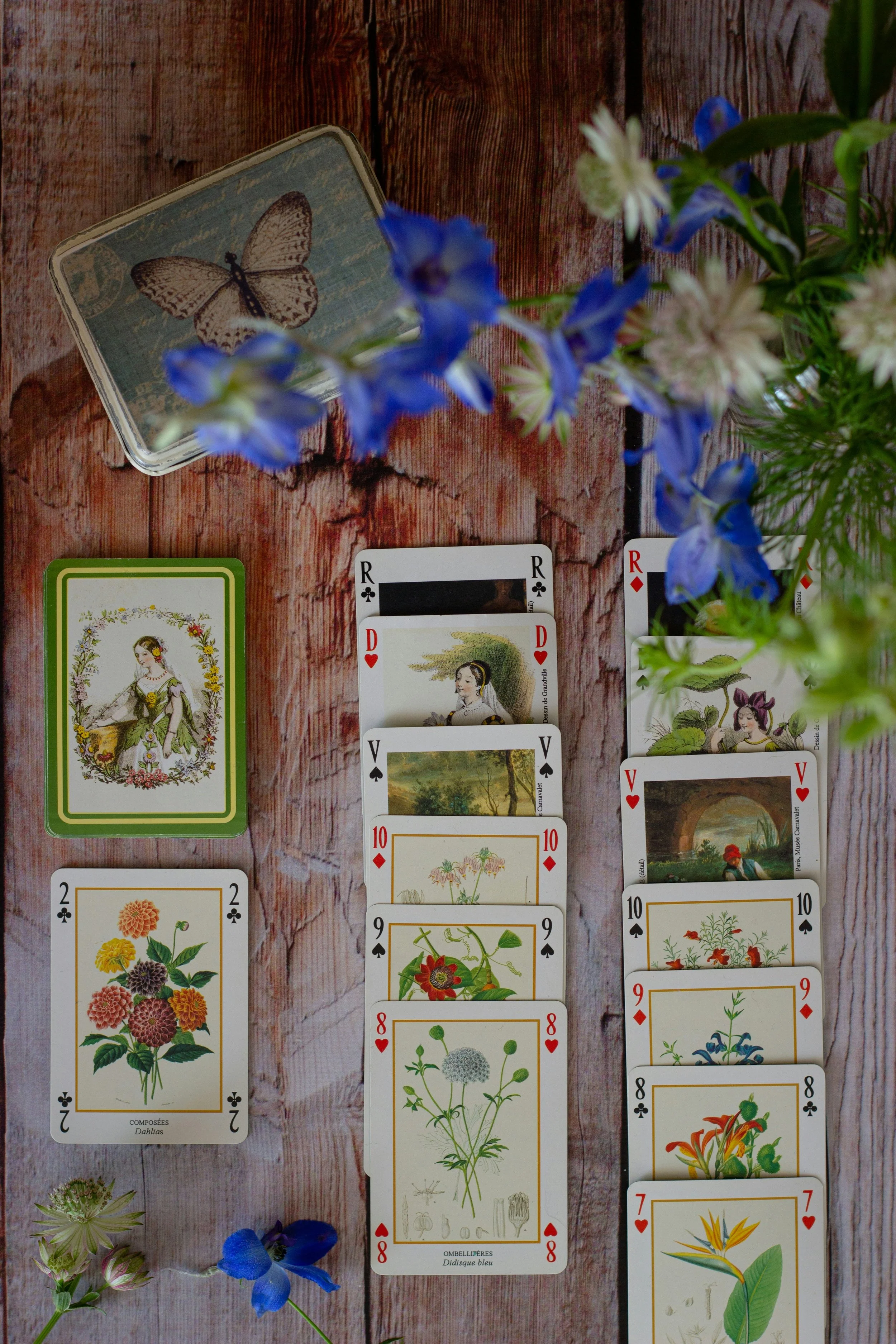
Photo by micheile henderson on Unsplash
Filmmakers reach for a lot of visual shorthand to signal that a character is waiting, thinking, or quietly coming undone, and one of the more curious, recurring choices is a simple game of solitaire. It shows up far more often than its low key nature would suggest, tucked into a shark hunting thriller, a Cold War paranoia film, and a children's animated comedy alike, almost always doing more narrative work than its screen time would suggest. Play Solitaire is a free way to try the actual game behind these scenes, mostly Klondike, the version with seven columns and a foundation building up by suit, which is what most of these films have in mind whenever a character sits down with a deck. Looking at a handful of these scenes side by side says less about card games and more about what filmmakers seem to think solitaire represents when a character needs to be alone with their own thoughts.
Jaws: composure as a survival skill
Matt Hooper, the marine biologist played by Richard Dreyfuss, plays solitaire on the deck of the Orca during some of the film's tensest stretches, a small, controlled task set against a situation, hunting a shark that has already proven it can kill, that offers the crew no control at all. The choice works as more than set dressing. It's a fairly precise bit of characterization, showing a scientist who processes danger by narrowing his focus to something solvable rather than by talking about the danger directly. The life lesson underneath it holds up well outside the movie too, composure often has less to do with confidence that everything will be fine and more to do with finding a small, manageable task to anchor yourself to when the larger situation is entirely outside your control.
The Manchurian Candidate: when a private ritual becomes a trigger
Solitaire takes a considerably darker turn in this Cold War thriller, where Raymond Shaw's conditioning is tied to the game and to the queen of diamonds card specifically. What's unsettling about the choice isn't really the card itself, it's that the filmmakers picked something so private and repetitive as the delivery mechanism, since solitaire is one of the few games built almost entirely around a person's unwitnessed, internal routine. Stripped of the espionage plot around it, there's a genuine observation sitting underneath the device: the habits people repeat when no one else is watching are exactly the ones most capable of running on autopilot, for better or worse, which is a slightly uncomfortable thing to notice about routine in general.
The LEGO Movie: boredom as institutional failure
Played mostly for laughs rather than dread, solitaire turns up on a background monitor during an interrogation scene, quietly running while whoever is supposed to be watching the monitor is clearly doing anything but. It's a small, throwaway gag, yet it lands specifically because the reference is so widely recognized, solitaire as shorthand for a job nobody is actually doing in that particular moment. It's one of the more accurate satirical uses of the game in modern film, precisely because it's grounded in something true about where solitaire actually tends to show up on a work computer.
Magic in the Moonlight: steadiness as a form of care
Woody Allen's film uses the game more gently than any of the examples above. Stanley's aunt plays solitaire at the dining table while handing out romantic advice to Colin Firth's character, hands occupied with the cards while her attention is fully on the conversation. The game isn't a metaphor for anything troubled here, it's closer to a prop for steadiness, a way of showing a character who can sit with someone else's problem without fidgeting or rushing to fix it. That's its own small lesson, some of the best advice comes from people who aren't visibly straining to give it, and a quiet, repetitive task in the background can be exactly what makes that kind of calm possible.
A quieter thread through very different films
None of these movies are in conversation with each other. A shark thriller, a Cold War paranoia piece, an animated comedy for kids, and a Woody Allen period piece don't share much on paper. What they do share is a shorthand instinct, when a filmmaker needs to show a character alone with their own mind, whether that means composure, conditioning, neglect, or steadiness, solitaire is one of the games directors keep reaching for to say it without a line of dialogue. It's a small detail, easy enough to miss on a first watch, but once it's noticed once, it's hard not to clock it every time it turns up again.
