
Pre-Workout Ingredients Worth Knowing About
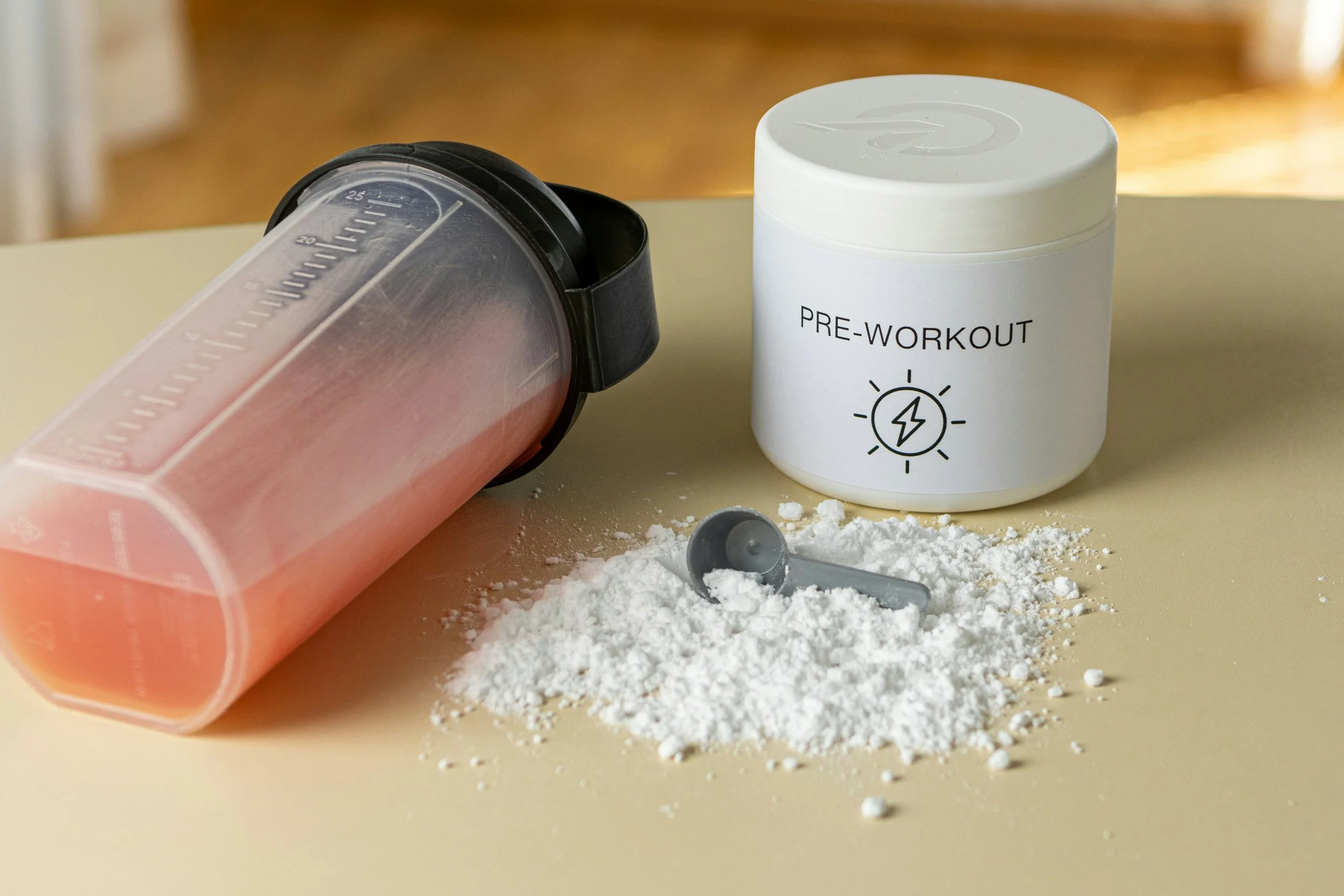
Your results in the gym depend on more than just the reps you put in, since what you take before training plays its own part in how strong, focused, and energised you feel once the workout starts. A lot of lifters spend months perfecting their programming and diet, yet give little thought to the ingredients sitting inside their pre-workout, even though those ingredients are what set the tone for the entire session.
Once you start paying attention to what's in your pre-workout and why it's there, you can choose a formula that supports your training instead of one you picked because the label looked convincing.
Why Pre-Workout Ingredients Matter for Your Training
Your body responds to exercise in stages, from the first burst of energy to the point where your muscles start to fatigue, and different ingredients are designed to support different parts of that process. Some are there to sharpen mental focus before you even pick up a weight, while others work on blood flow, muscle endurance, or recovery once the session is underway.
Since no single compound covers every stage of a workout, most formulas combine several ingredients so they can support you from warm-up through to your final set. Here's a closer look at some of the ones you'll come across most often:
Caffeine
Caffeine is the ingredient most people recognise first, and it works by stimulating your central nervous system so you feel more alert and ready to push through a session. It also has a mild effect on how your body perceives effort, which can make a tough set feel a little more manageable. Because everyone metabolises caffeine differently, the right dose for one person might feel like too much for another, so it helps to start on the lower end and adjust from there.
Beta-Alanine
Beta-alanine is an amino acid that supports muscular endurance by buffering acid buildup in your muscles during intense effort. This is the ingredient responsible for the tingling sensation, known as paresthesia, that some people notice a few minutes after taking a pre-workout. It isn't harmful, and it usually fades within half an hour, but it's worth knowing about so it doesn't catch you off guard the first time.
Citrulline
Citrulline is an amino acid your body converts into arginine, which then supports nitric oxide production and helps widen your blood vessels. That process improves blood flow to working muscles, which is why citrulline tablets are often included in formulas aimed at supporting endurance and reducing the feeling of fatigue during longer sessions. You can read more about the health benefits of citrulline if you want a deeper look at how it interacts with circulation and exercise performance.
Creatine
Creatine helps regenerate the energy your muscles use during short, intense bursts of activity, which is why it shows up so often in strength- and power-focused formulas. It's one of the most researched ingredients in sports nutrition, and it works best when taken consistently rather than only on training days. Some people notice a slight increase in water retention within the muscle cells when they first start using it, though this typically levels out over time.
Betaine
Betaine, also known as trimethylglycine, supports cellular hydration and has been studied for its role in muscle endurance and power output. It's less talked about than caffeine or creatine, but it's becoming a regular addition to blends built for strength training. Since betaine works gradually, its effects tend to build over several weeks of consistent use instead of showing up after a single dose.
Choosing Energy Supplements That Match Your Goals
Not every workout calls for the same kind of support, so it helps to think about what you actually need before picking a product off the shelf. If your sessions are short and intense, you might lean toward ingredients that support quick energy and focus, whereas longer endurance work often benefits more from ingredients tied to blood flow and hydration.
Natural energy supplements come in different forms too, including powders, capsules, and ready-to-drink options, and the format you choose can affect how quickly the ingredients take effect. Here's what to consider as you narrow down your options:
Match the Formula to Your Training Style
Strength athletes and endurance athletes often benefit from different ingredient combinations, so it's worth checking the label against your actual goals than choosing based on branding alone. A lifter chasing power output might prioritise creatine and beta-alanine, while someone training for distance might look more closely at citrulline and betaine.
Pay Attention to Dosage
Labels list ingredient amounts for a reason, and comparing those numbers against published research ranges can tell you whether a product is likely to deliver a noticeable effect or whether the dose is too low to matter. This is especially useful when comparing similar products from different brands.
Consider Stacking with Whole Foods
Supplements work alongside your diet, not in place of it, so pairing energy supplements with a solid pre-workout meal, proper hydration, and enough sleep tends to produce better results than relying on the supplement alone. Building these habits together supports your training more consistently over time.
Start with One Change at a Time
If you're new to pre-workout products, introducing one new ingredient or supplement at a time makes it easier to notice how your body responds. This also helps you figure out which ingredients are making an impact for you personally, since combining several new products at once can make it hard to tell what's working.
Getting the Most from Your Pre-Workout Routine
Understanding what goes into your pre-workout gives you more control over how you train and recover, since you're no longer relying on marketing claims to decide what belongs in your routine. Pay attention to how your body responds to each ingredient, adjust your intake as your training changes, and use that information to build a routine that supports your goals over the long run.
