
MOVIE REVIEW: The Odyssey
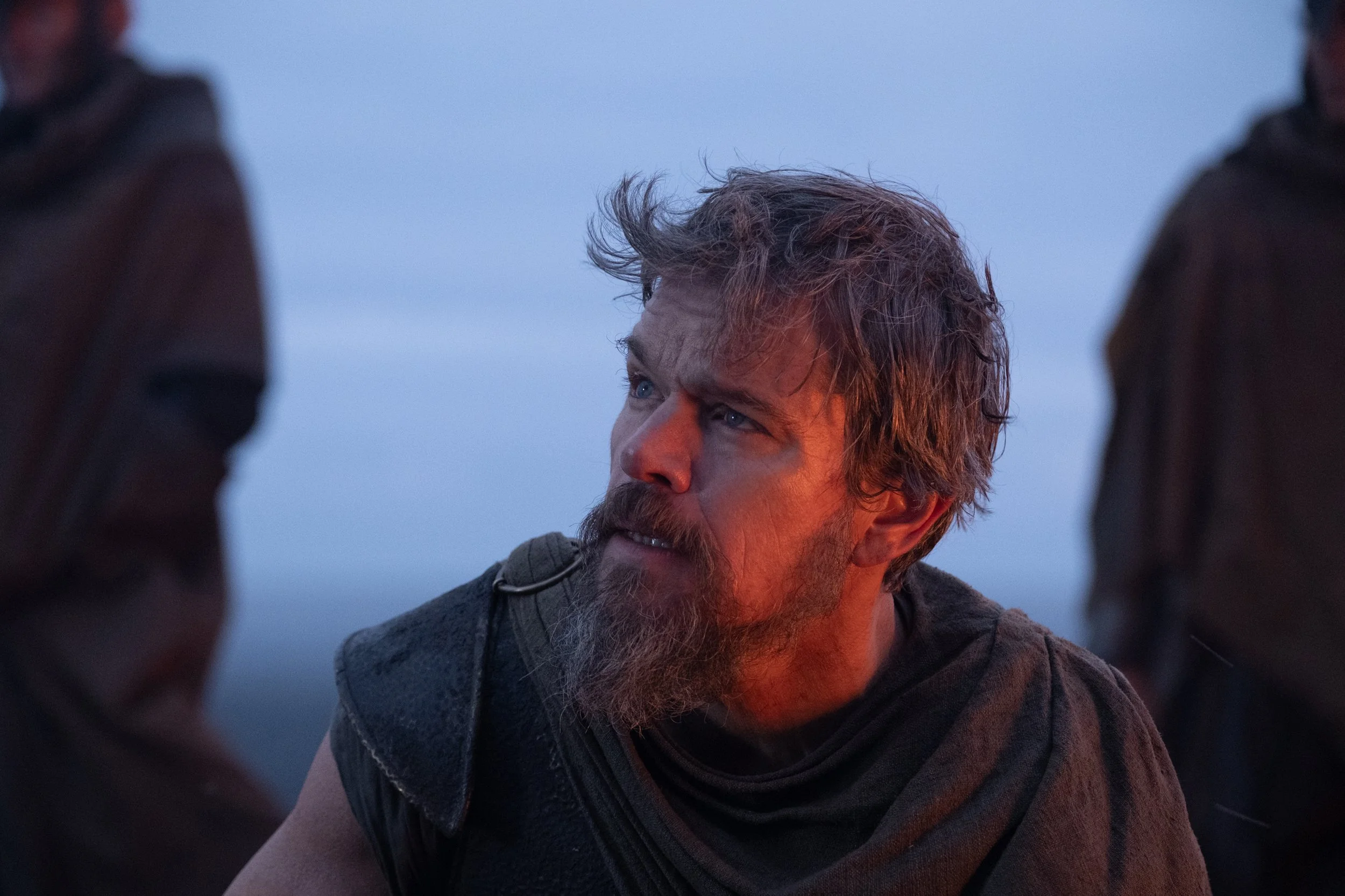
Images courtesy of Universal Pictures
THE ODYSSEY— 5 STARS
Plunging into familiar, often-imitated, and well-steeped mythology, adapting Homer’s The Odyssey in a feature film could—and maybe should—easily reach the gaudy and over-indulgent Cecil B. DeMille territory to anyone who dares to attempt it. Whether it is the unending expanse of sky, the unseen abyss of the ocean churning below it, or the bottomless moral pits of its key characters, there are layers upon layers of depth farther than any sight or measurement in Christopher Nolan’s grand and grievous take on The Odyssey. Leave it to one of this generation’s best filmmakers to accept the challenge with spectacular precision and the fearless temerity to make it his own.
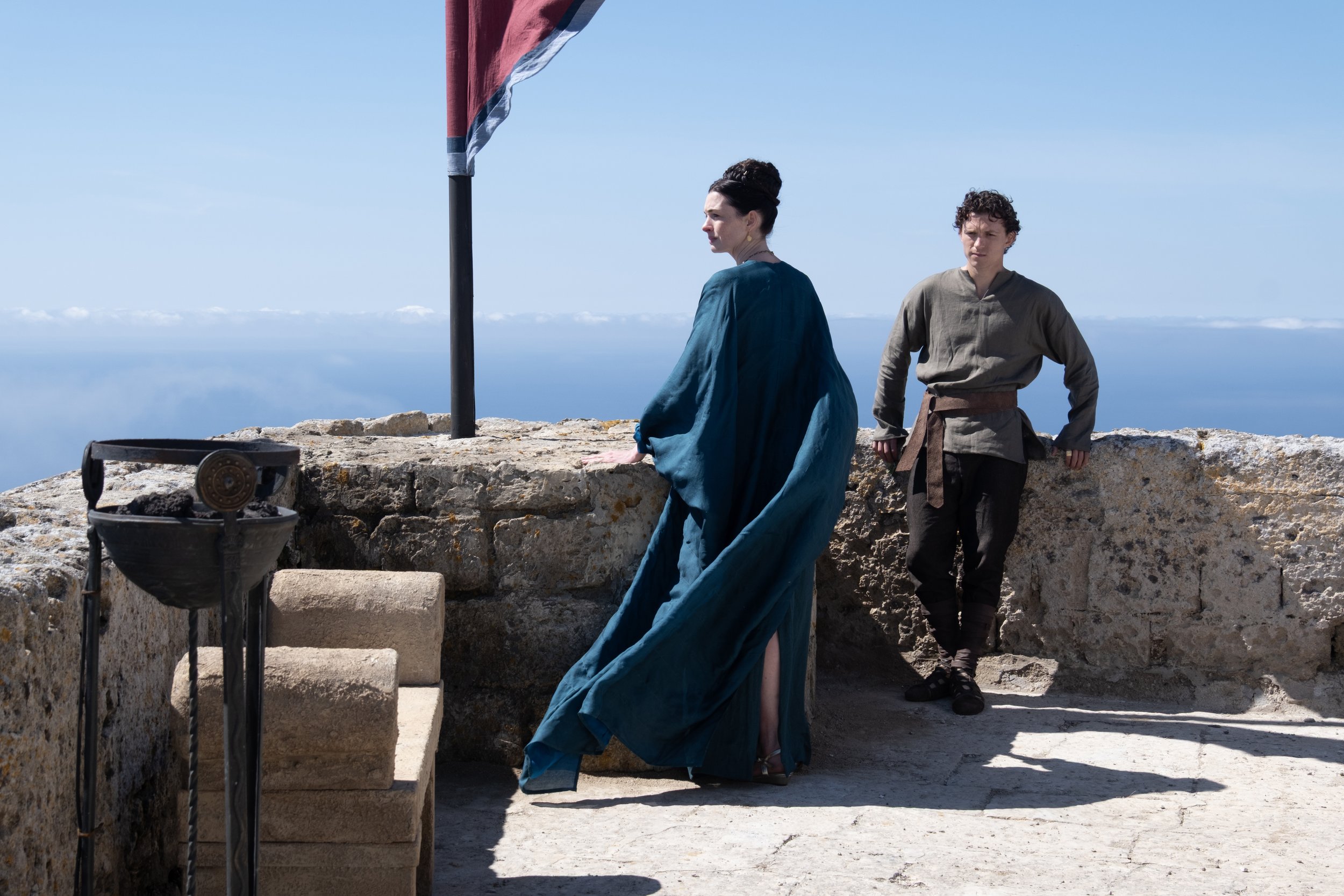
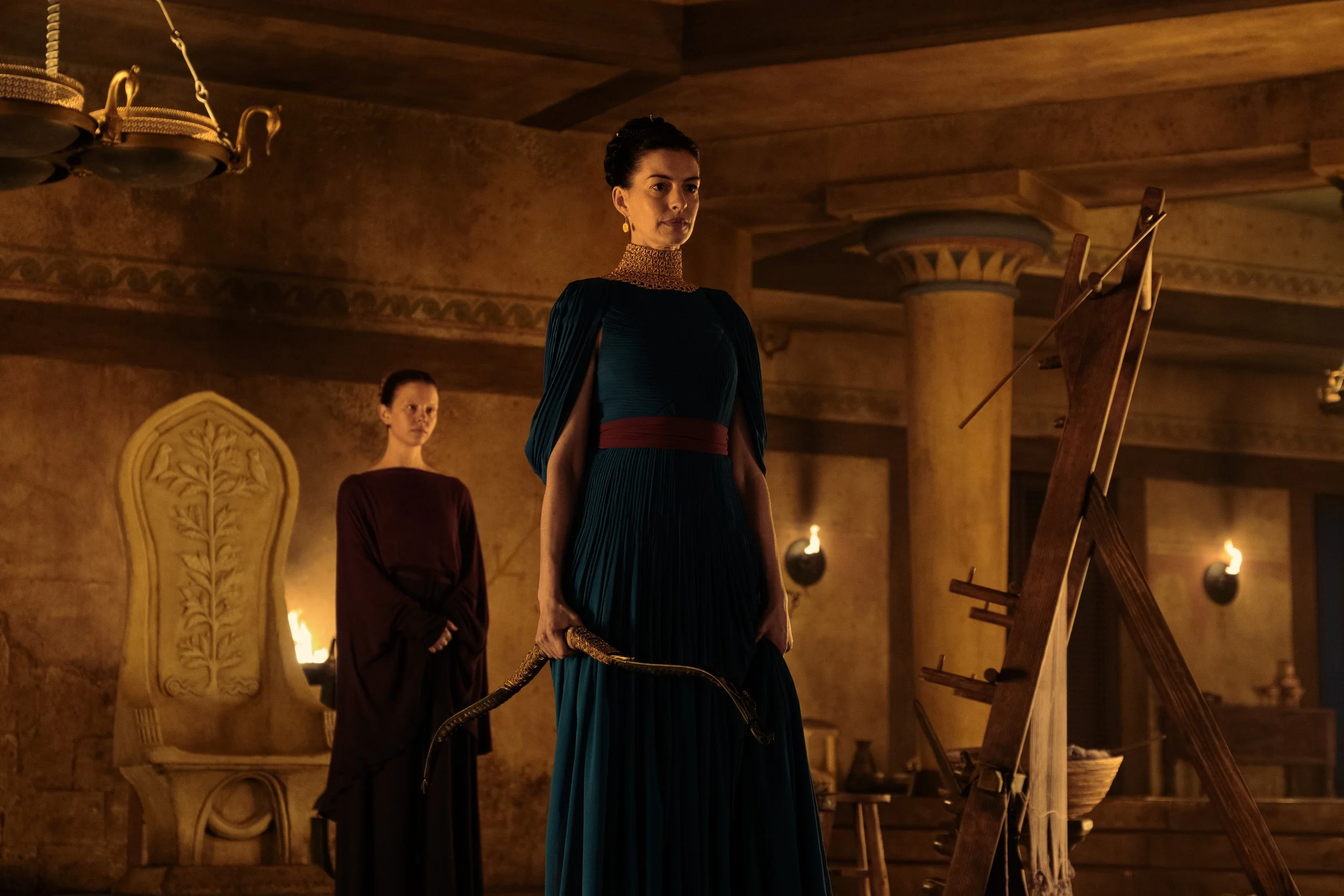
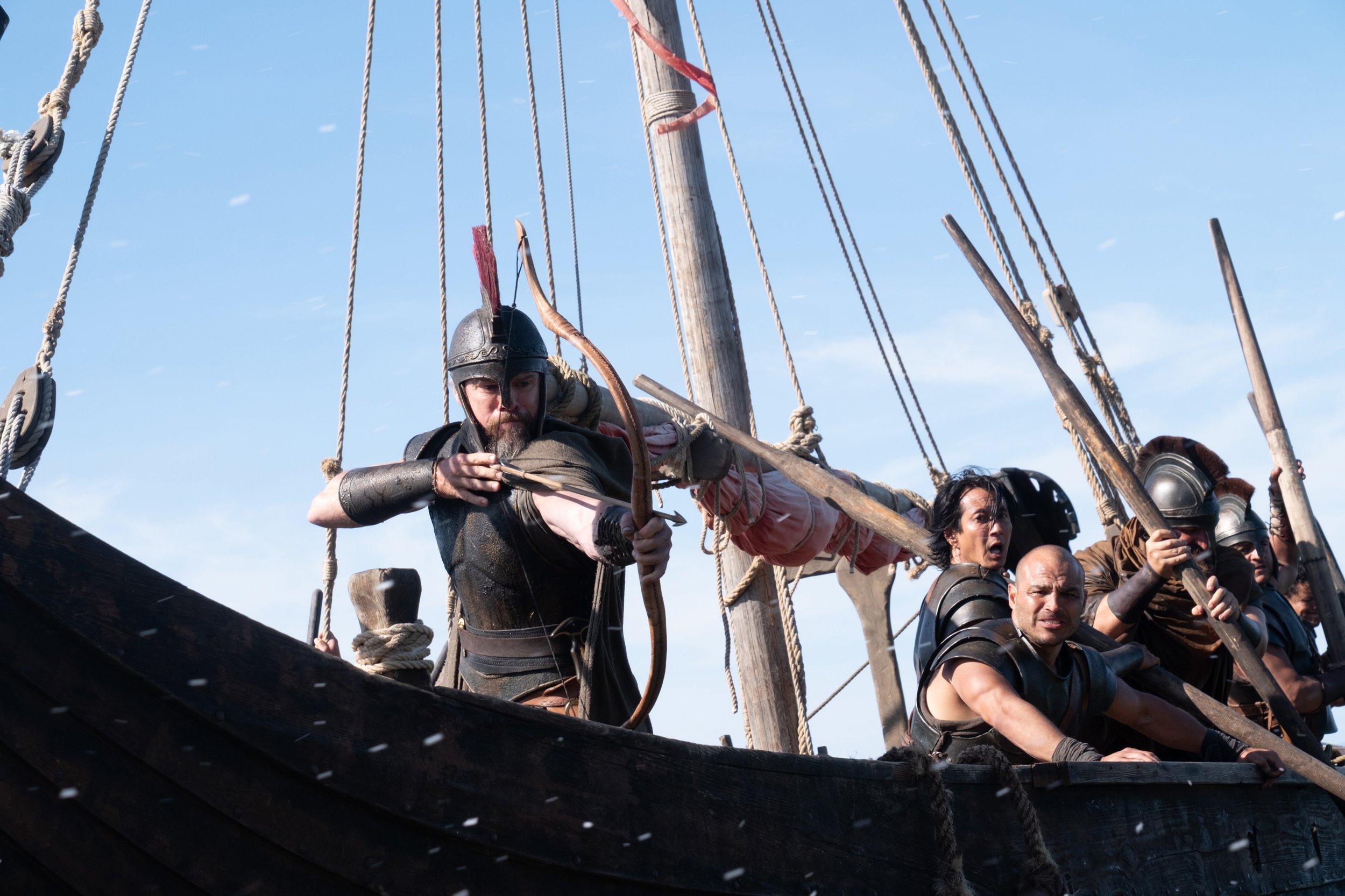
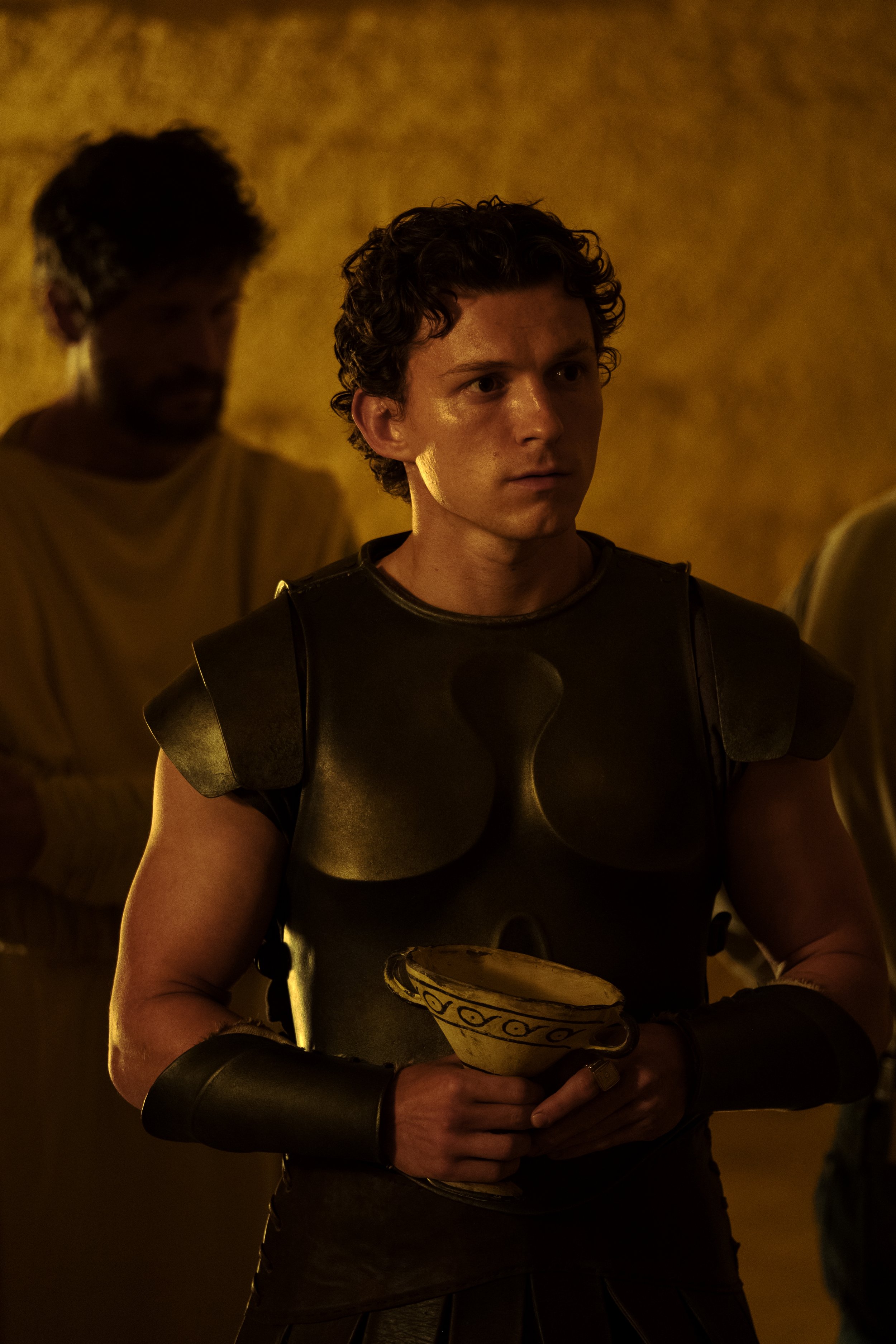
As this keen school teacher can tell you, those who completed their homework back in school (and those who didn’t) know this historical 8th-century piece of Greek literary canon—selected by experts as the most enduring narrative in history—is a thick piece of material. The core of it is the rigorous journey home of a victorious king, Odysseus of Ithaca (the headlining Matt Damon), that spans twenty years at sea against magical obstacles, while his wife, Penelope (Academy Award winner Anne Hathaway), and son, Telemachus (Tom Holland), host and hold off a bevy of suitors who have come to marry the queen and claim the throne in the absence of the lost monarch. If you know that much, Nolan’s raging whirlpools will take you from there.
LESSON #1: THE DEPTH OF THE MATERIAL— Now, how deep one ventures into The Odyssey is an artistic choice, especially in trying to fit something as massive as Homer’s tale into a feature-length film. After all (and said more sternly by other people in other places), The Odyssey is a myth curving the mirror of ancient history with characters, gods, and events that never existed, meaning “faithfulness” to something fantastical that would take over 12 hours to read aloud, let alone act, is flatly impossible. Utilizing his trademark penchant for nonlinear storytelling, Christopher Nolan—penning his own solo screenplay—chooses his specific paths to emphasize and explore, while streamlining and altogether circumventing and reducing others. His script scalpel is a chilling and shrewd one that may upset the so-called purists (or diehard fans of Armand Assante) looking for wondrous magic and overflowing romance. Those have never been Nolan’s strengths, nor need they be for this material.
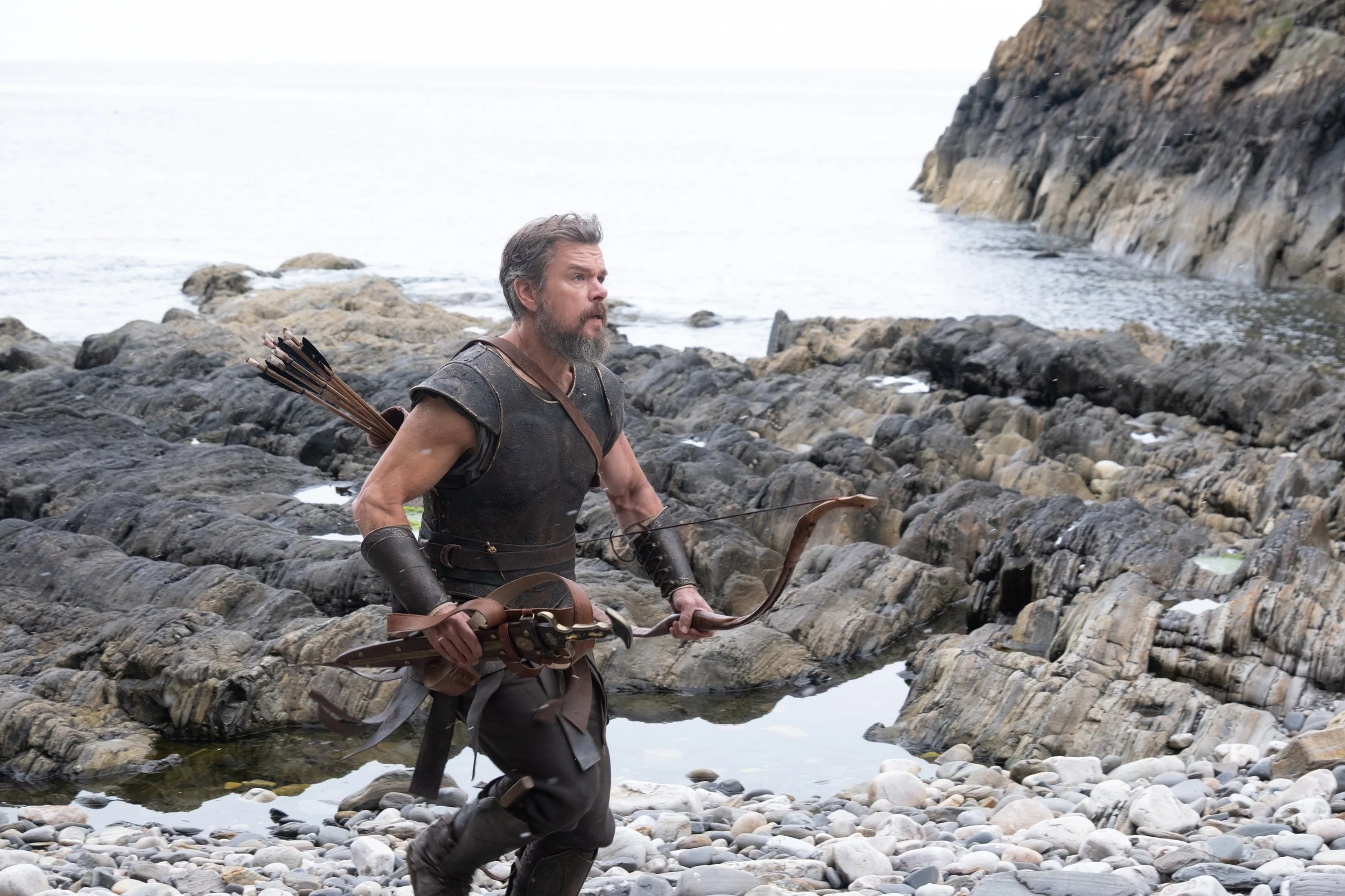
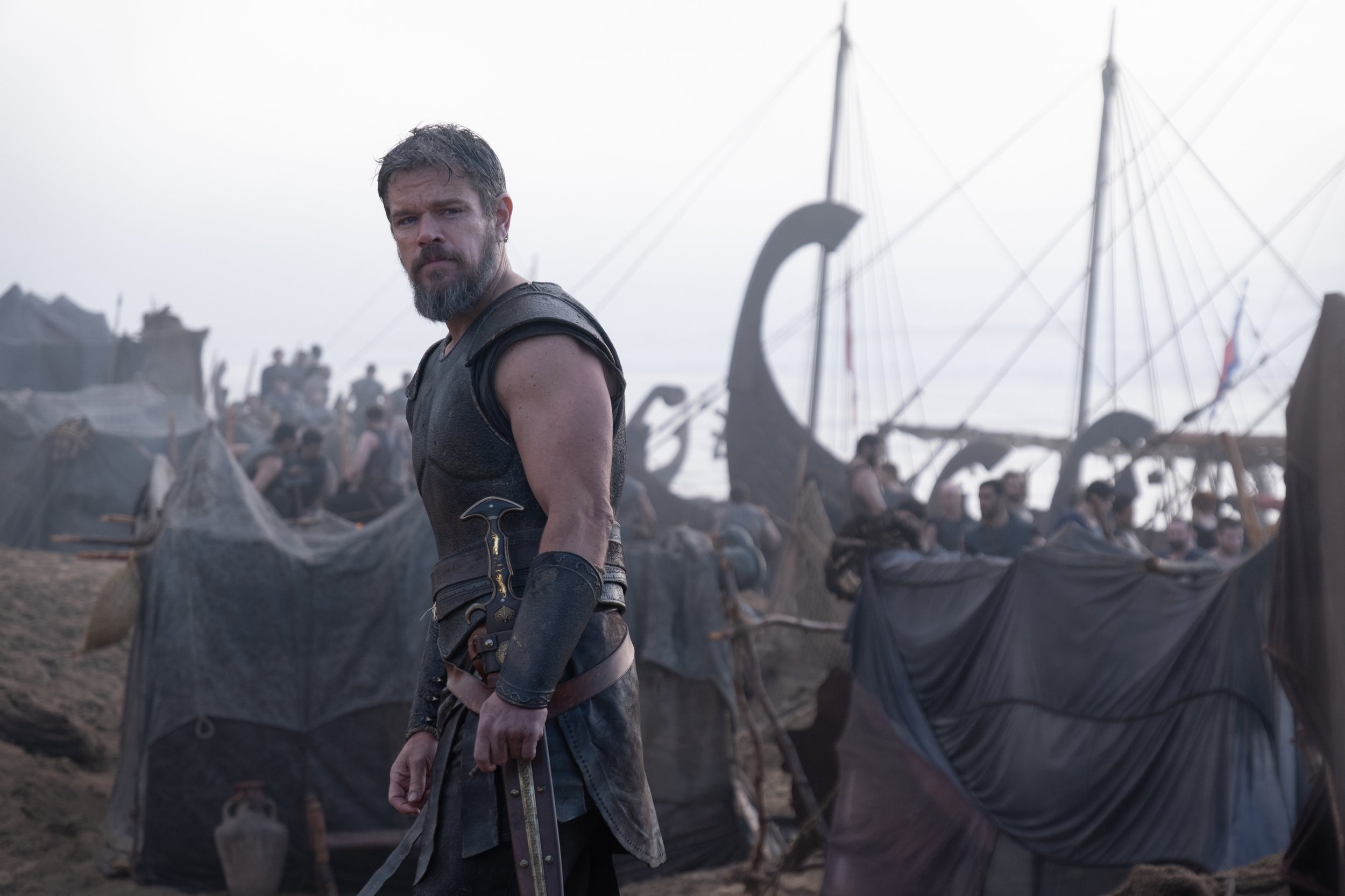
For much of The Odyssey, Nolan uses the paradisal setting of the years Odysseus spends on a serene island paradise with the nymph Calypso (Academy Award winner Charlize Theron) as a framing device for a now gray-bearded man remembering where he came from and where he meant to go. Being weaned off Calypso’s mind-altering lotus flower control and discovering scraps of wood remnants of his vessel, Odysseus recounts his tale in increasingly lucid fragments—his invasion heroics in Troy to the many monsters and crew casualties he suffered along the way. From a pacing standpoint, the director’s Chutes-and-Ladders work to launch the film’s inertia out of these chosen roots leans brilliantly into the enveloping immersion of the film’s sizable set pieces. At any flickering turn of memory, sources of menace can arrive and overwhelm the moment and observing senses, sometimes with a promise to roar back again at a different angle or perspective.
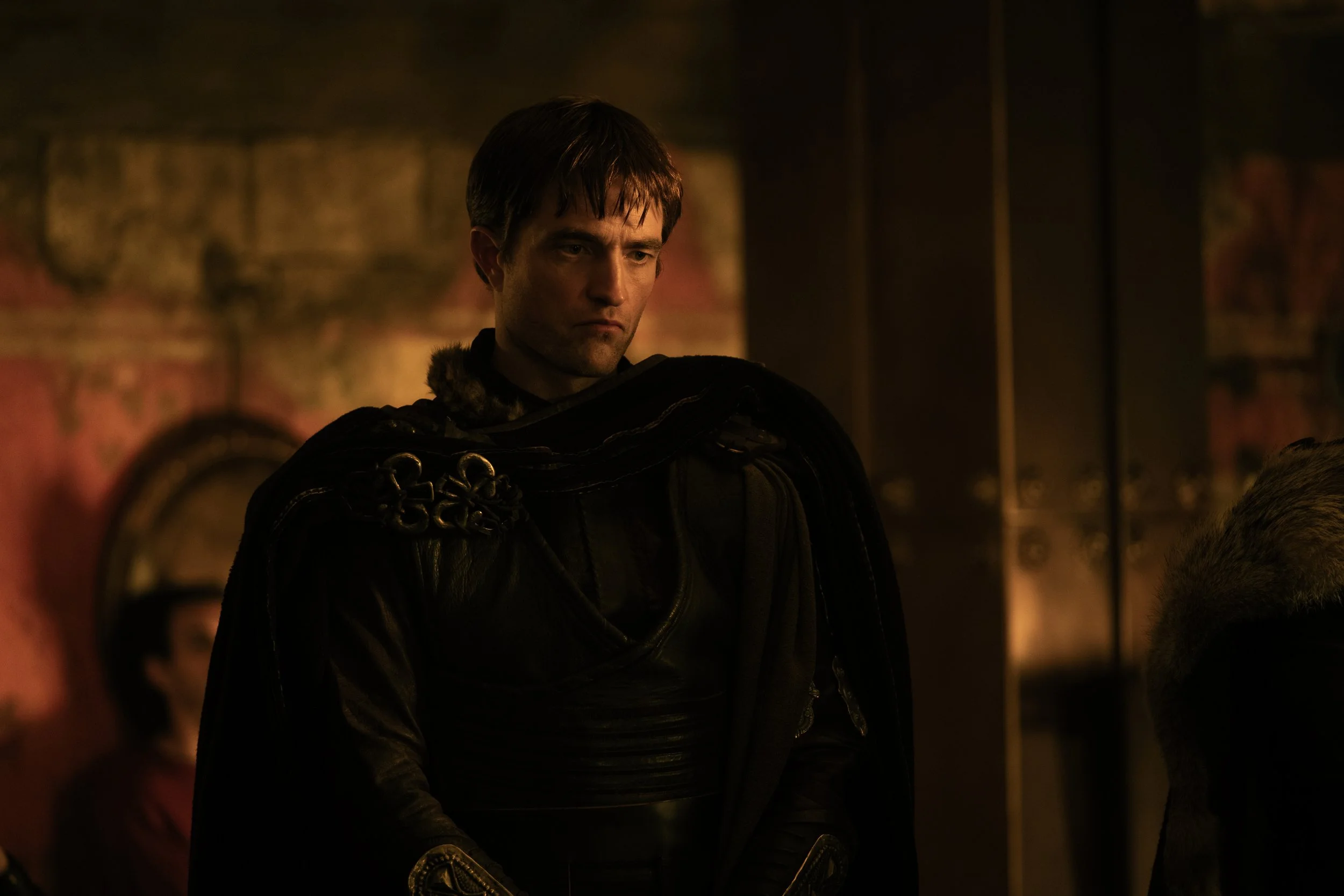
LESSON #2: THE DEPTH OF ENERGY AND STAMINA— The two-pronged saga of The Odyssey, encompassing the hero’s trials and tribulations abroad and the stalwart efforts of tested decorum and strained patience at home against the nefarious Antinous (Robert Pattinson, perfectly cast as a heel) and his vile peers, requires a hearty reservoir of energy and stamina. Occupying roles of hefty drama, the principal leads stiffen their theatrical muscles impressively. As intended, a physical Matt Damon we haven’t seen in a decade since the end of his Jason Bourne days is utterly unleashed as a brawny sight to behold, while still displaying the stoic solemnity fitting the character and his own years. In what can normally be reduced to the “waiting and worrying wife at home” role, Anne Hathaway squeezes every ounce of equanimity out of the Penelope part. Likewise, so many supporting roles—from Elliot Page’s Sinon and Jon Berthal’s Menelaus to Samantha Morton as the witch Circe, Lupita Nyong’o as Helen of Troy, and others—have the capacity to shift from sage and demure to a ferociousness that increases the inescapable tension transpiring.
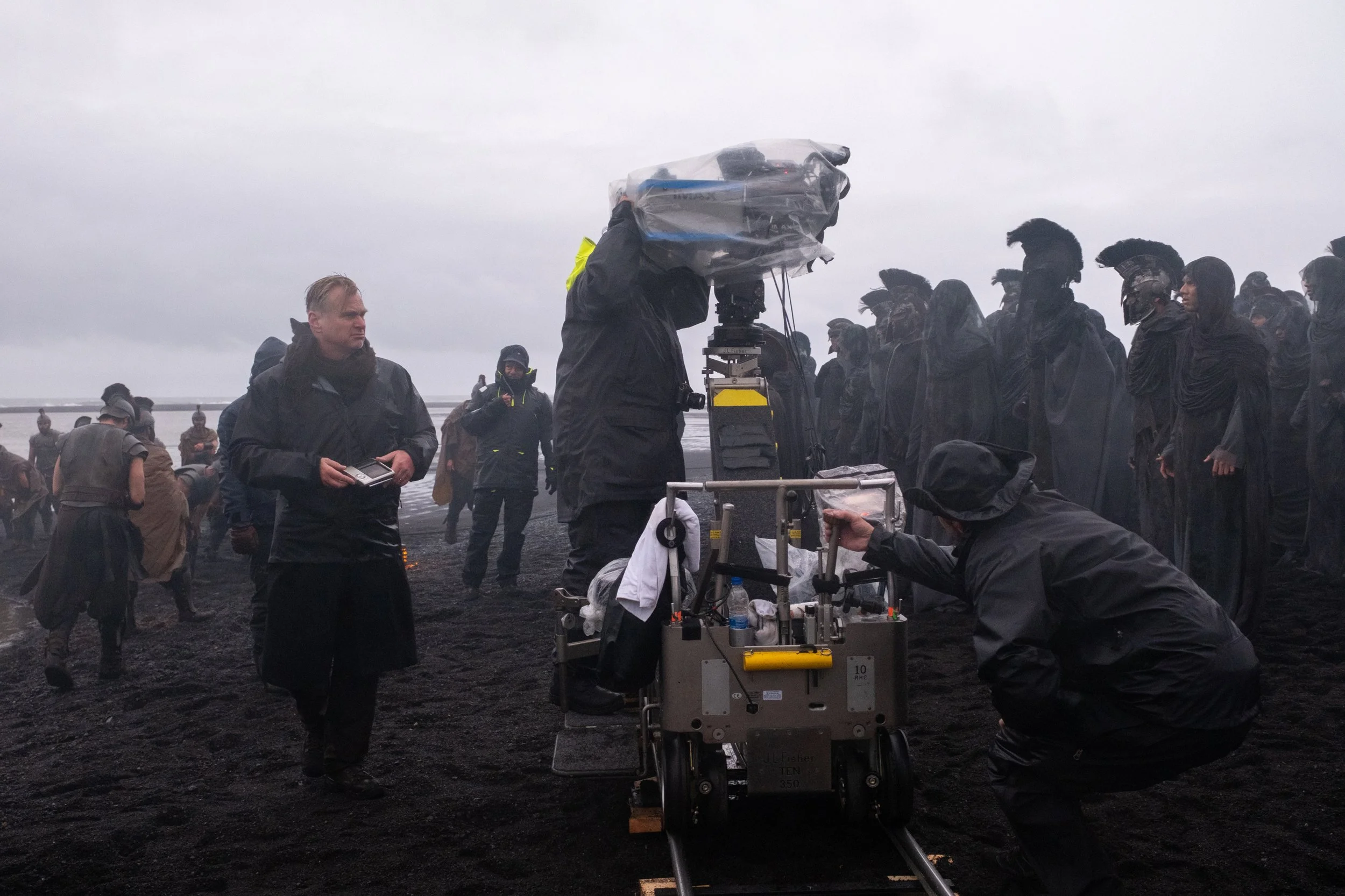
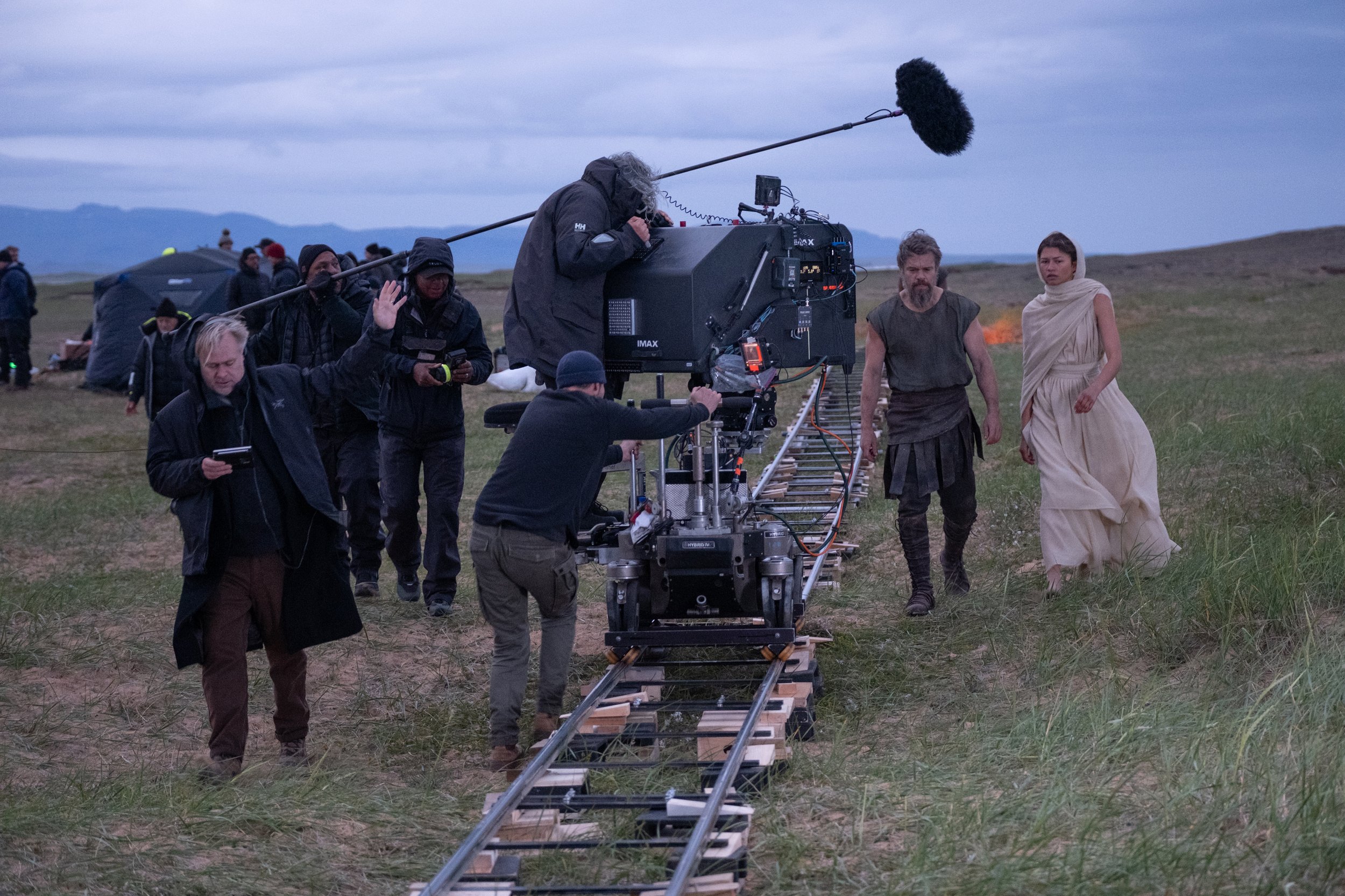
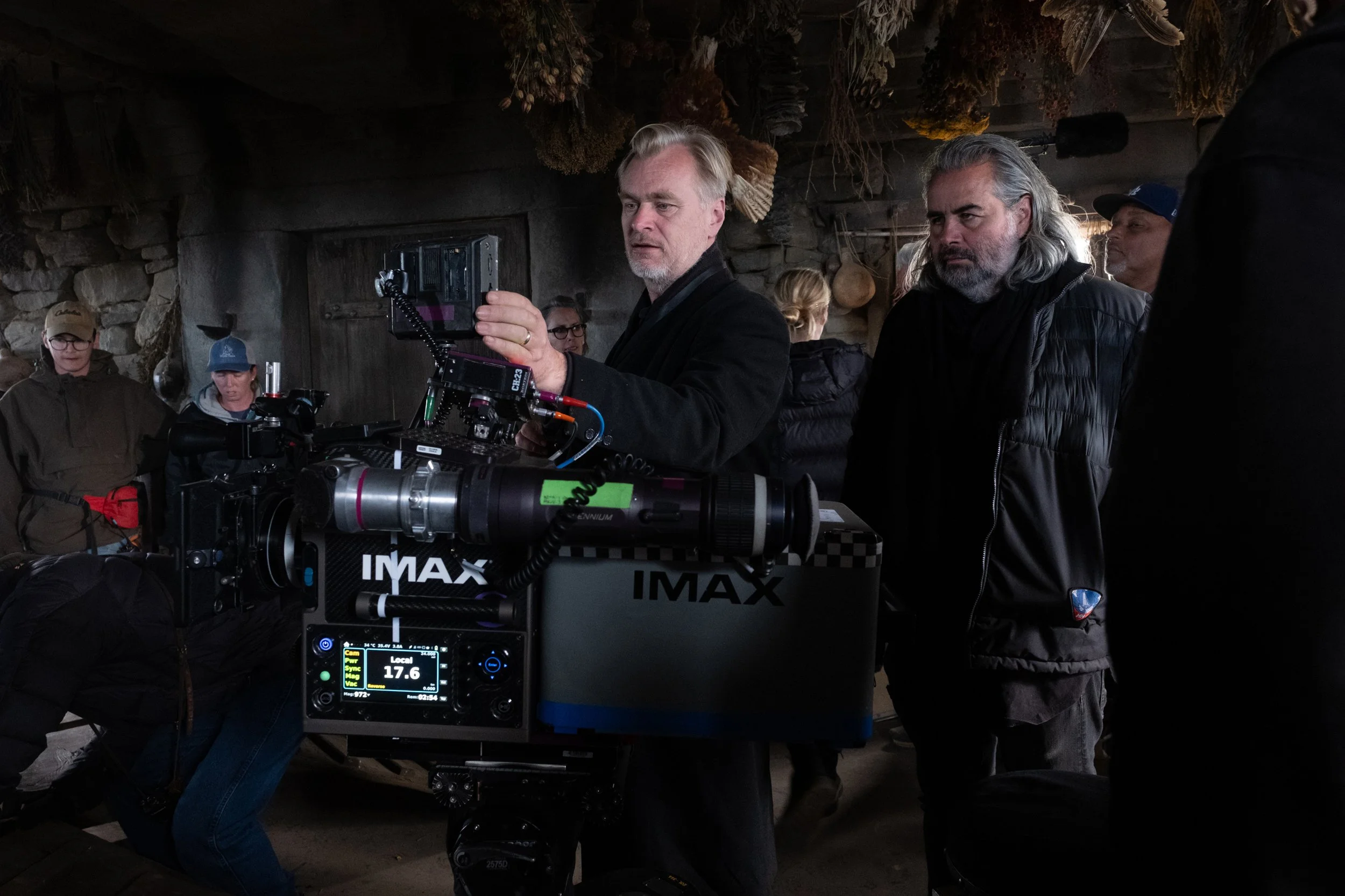
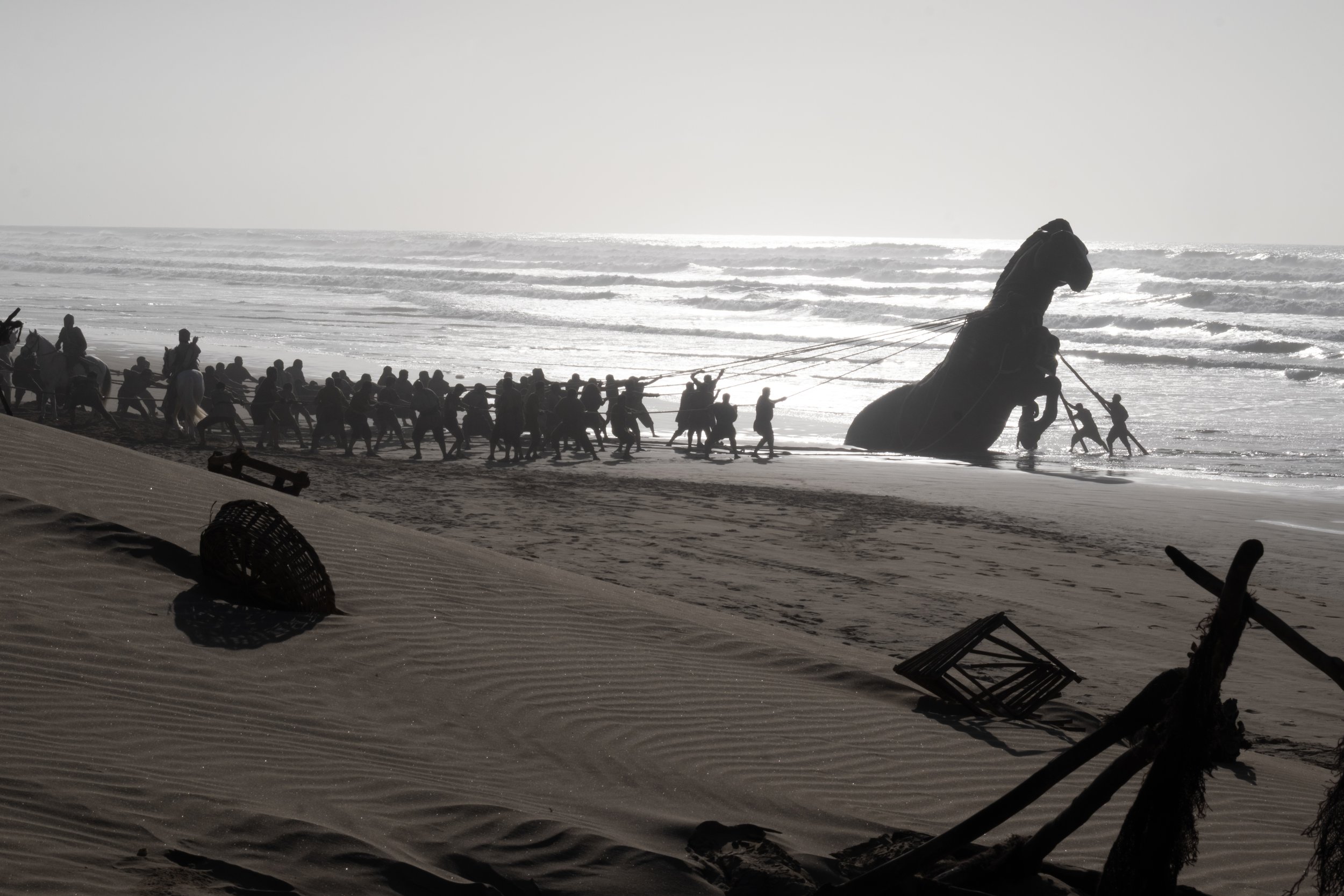
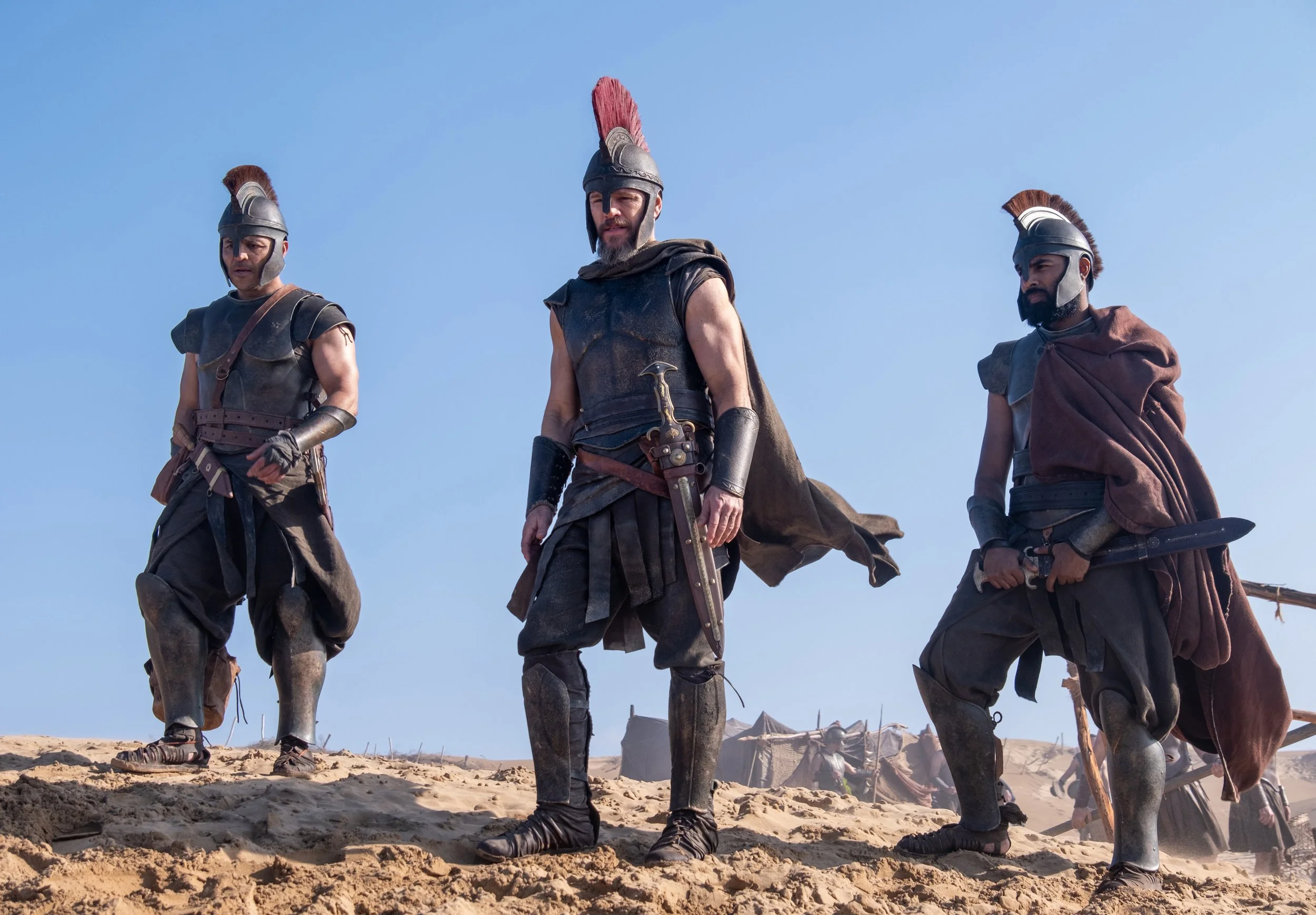
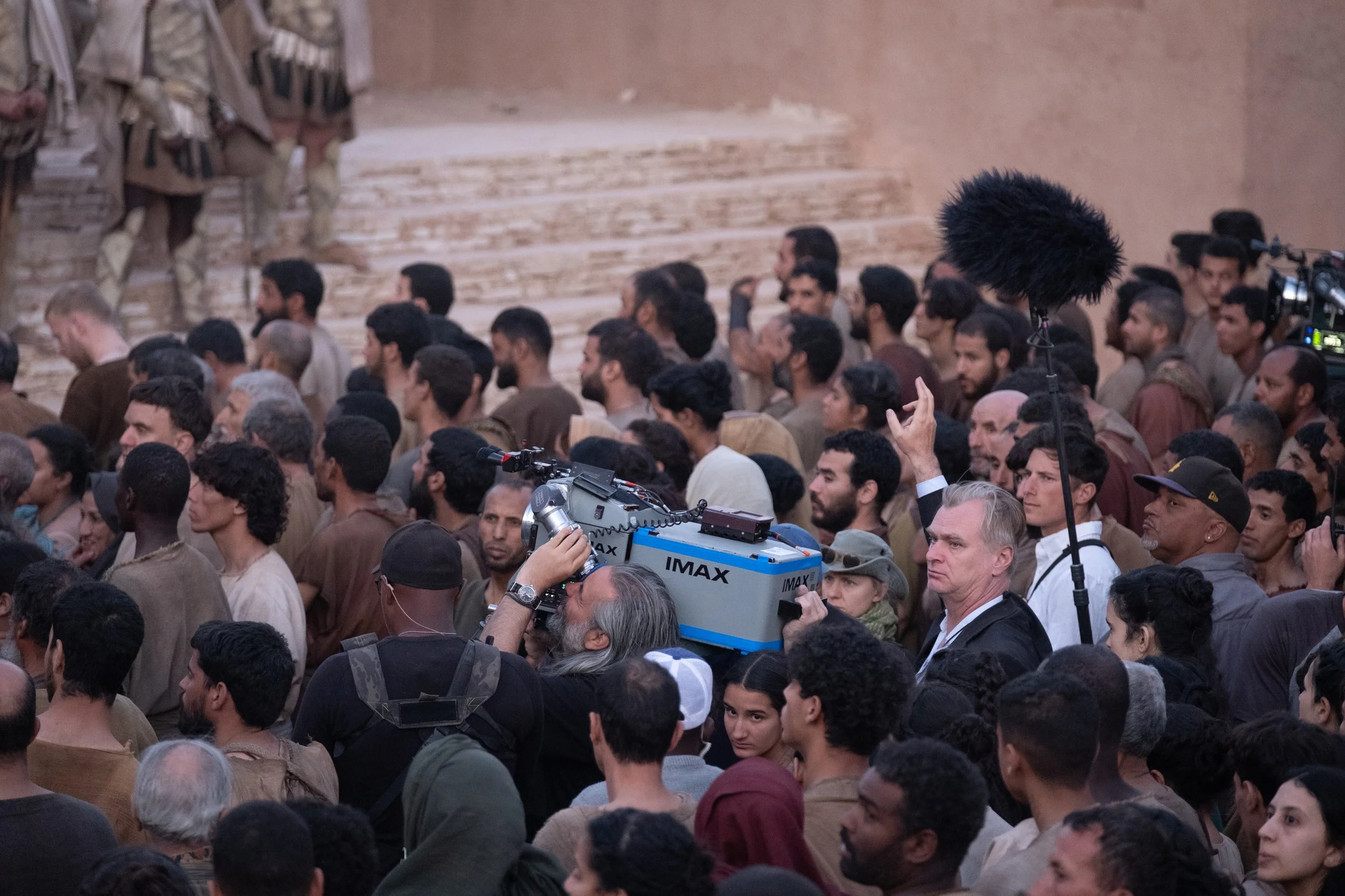
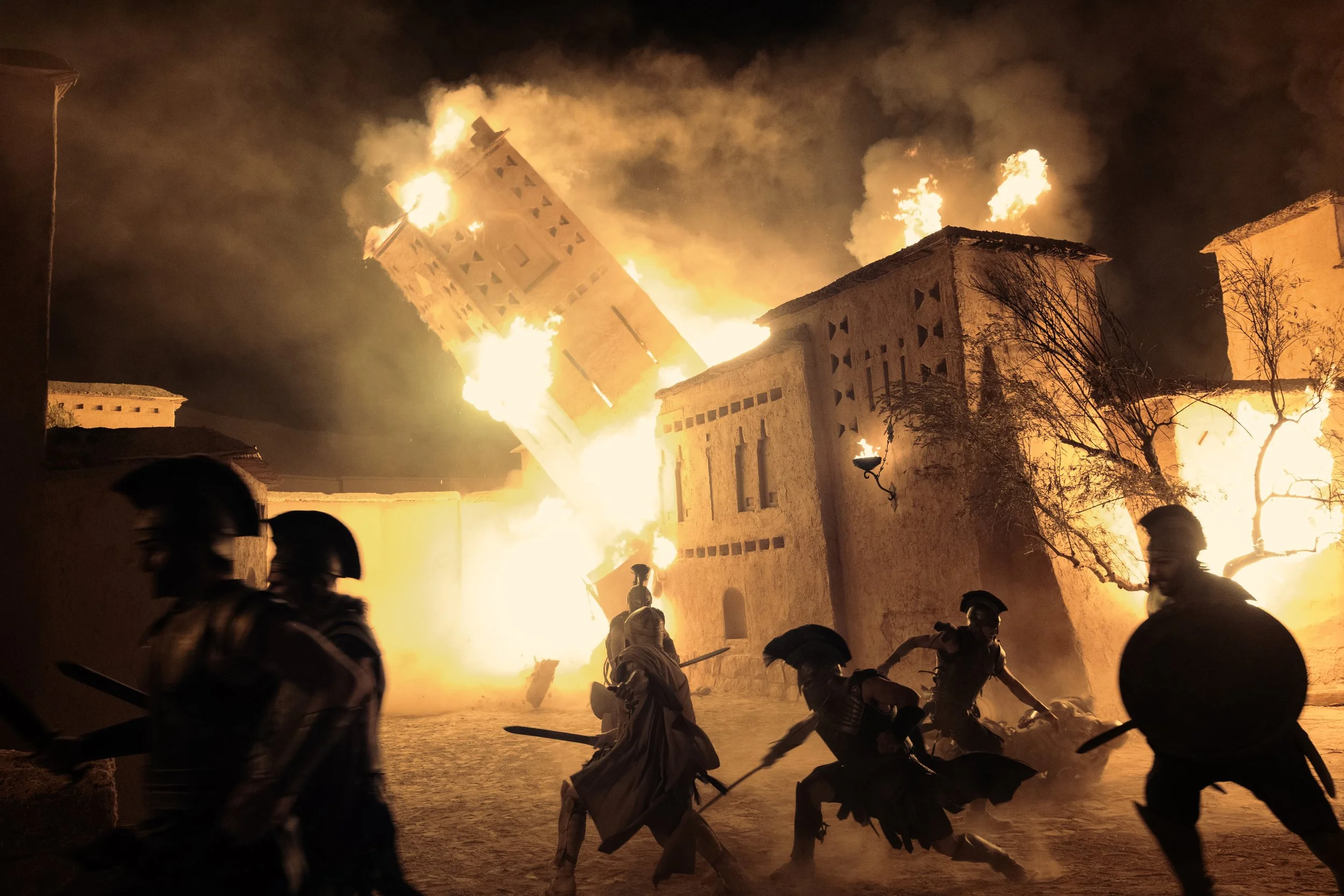
This notion of stamina extends the depth of the filmmaking as well. It’s no secret at this point that Christopher Nolan sought inventive practicality, and the successful execution of those goals shines in the dynamic costume choices, daring stuntwork and on-location shooting across multiple continents, dexterously veiled old-school special effects techniques, and the towering production design work. Three-time Oscar winner Ludwig Göransson composes an ethereal score utilizing experimental instruments without a traditional brassy sword-and-sandal orchestra, giving moody ambiance to a maelstrom of sound mixing. Oscar-winning Oppenheimer cinematographer Hoyte van Hotema, in his fifth collaboration with Christopher Nolan, shot the entirety of The Odyssey with 70mm IMAX cameras, capturing immense detail and scope that demands the big-screen commitment cinephiles are clamoring for.
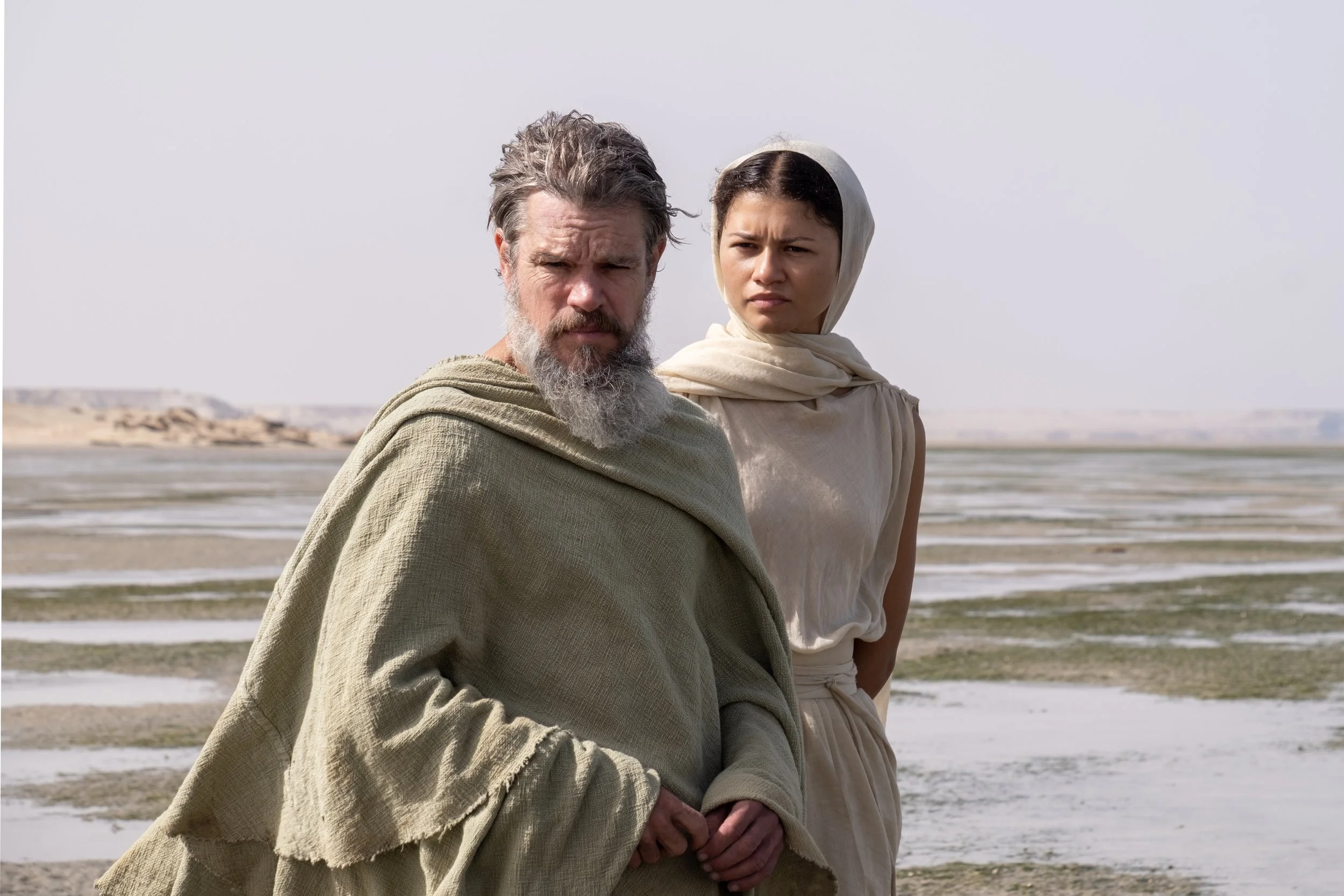
LESSON #3: THE DEPTH OF THEMES— All of that obvious and appreciated prowess aside, The Odyssey is not, as aforementioned, “the most enduring narrative” in literary history if it cannot move the viewer beyond the fabled extravaganza. To do that, it takes delving into its ponderous themes and the text’s catalog of hubris-centered character flaws. Next to the strong bond created by Damon and Hathaway, two key supporting characters with very different arcs—Zendaya’s empyrean Athena and John Leguizamo as the senior servant Eumaeus—form a through-line and bring surplus profundity to explore the righteous precepts of war, sacrifice, peril, punishment, and loyalty—each worthy of essays and editorials of elaboration and examination—occurring during this laborious ordeal. When the promised corrections and comeuppance arrive, and all the layers are unfolded, The Odyssey swells to create a mighty finale of powerful emotional resolve, proving all of the effort put into the internal and external components of this entire cinematic experience had what it takes to reach so much of all that possible depth.


LOGO DESIGNED BY MEENTS ILLUSTRATED (#1411)
