
How Personalized Memorial Traditions Are Helping Families Heal
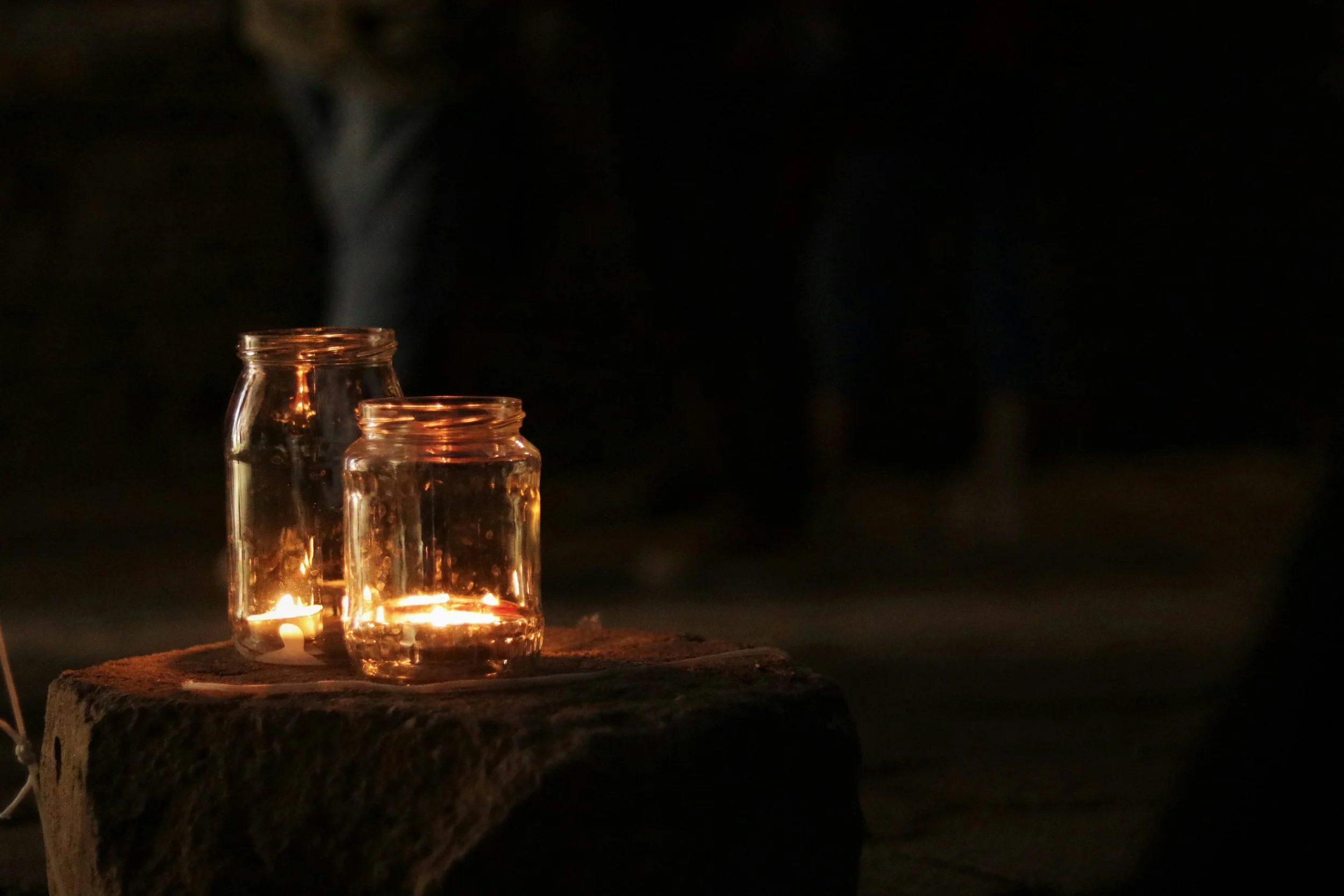
Grief is one of the most universal human experiences, yet how we process it is deeply personal. Across cultures and generations, communities have developed rituals and traditions to honor the dead and comfort the living. Today, a meaningful shift is underway in how families approach memorialization. Rather than following a one-size-fits-all script, more people are choosing personalized tributes that reflect the unique life of the person they have lost. This movement toward intentional, individualized remembrance is not simply a trend. It is a recognition that honoring someone authentically can be one of the most powerful tools for healing.
The Psychology Behind Meaningful Memorials
Grief researchers and mental health professionals have long understood that rituals play a critical role in how we process loss. When a memorial feels meaningful and true to who the deceased person was, it gives mourners a sense of closure and connection that generic services often fail to provide. The act of gathering, remembering, and paying tribute creates a shared narrative that helps surviving family members and friends make sense of their loss. According to the American Psychological Association, healthy grief involves finding ways to maintain a bond with the deceased while continuing to engage with life. Personalized memorials support exactly this kind of adaptive mourning by giving families a tangible, lasting way to honor that bond.
When the memorial experience resonates emotionally, it tends to reduce feelings of helplessness and disorientation that often accompany loss. Families who participate actively in planning and personalizing a tribute frequently report feeling more at peace in the months that follow. The memorial becomes not just an event but a foundation for ongoing remembrance.
The Art and Craft of Permanent Tributes
Among the most enduring forms of personal memorial are the physical markers we leave at gravesites. For centuries, communities around the world have used stone monuments to mark the resting places of the departed, and the tradition continues to evolve. Today's families have far more creative freedom than previous generations when it comes to choosing how a loved one is remembered in permanent form.
Modern headstones can be crafted to reflect a person's passions, personality, and legacy in ways that go well beyond a name and a date. Skilled artisans now engrave detailed portraits, meaningful quotes, symbols of faith or culture, and even QR codes that link to digital memorial pages. The result is a tribute that tells a story and invites visitors to pause, reflect, and feel connected to the person who has passed. Choosing a marker that truly represents someone's life is an act of love that can bring profound comfort to those left behind.
Celebration of Life Events as a Complement to Traditional Services
Another dimension of the personalized memorial movement is the rise of celebration of life events. These gatherings, which may take place alongside or instead of a traditional funeral service, are designed to center joy, memory, and community rather than grief alone. They might be held at a location that was meaningful to the deceased, feature music they loved, or include activities that reflect their hobbies and passions.
Celebration of life events are not a rejection of grief. They are an acknowledgment that a person's life was rich and worth honoring in full. Families often incorporate photo displays, memory-sharing stations, and guest books where attendees can write down their favorite stories and recollections. These elements create a collective portrait of the person that no single family member could construct alone, and they give mourners an active role in the tribute rather than a passive one.
The practical planning involved in these events can also be therapeutic. Choosing music, gathering photographs, and reaching out to people who knew the deceased gives bereaved family members a sense of purpose during a period when helplessness can feel overwhelming. The preparation becomes part of the grieving process itself.
Digital Memorials and the Evolving Landscape of Remembrance
Technology has opened new dimensions of memorialization that previous generations could not have imagined. Online memorial pages, social media tributes, and digital archives allow families to preserve a loved one's voice, image, and story in ways that can be shared across geographic distances and revisited for years to come. These digital spaces have become especially important for families separated by distance, who may not be able to attend in-person services but still want to participate meaningfully in the act of remembrance.
Some families create dedicated websites that serve as living archives, collecting photographs, videos, written tributes, and even favorite recipes or pieces of writing from the deceased. Others use social media platforms to create ongoing spaces where friends can continue to share memories on anniversaries and birthdays. Far from replacing physical memorials, these digital tools tend to complement them, creating a layered approach to remembrance that serves different needs at different moments in the grieving process.
The integration of digital elements with physical tributes is also becoming more common. As mentioned earlier, engraved QR codes on memorial markers are one example of how families are bridging the physical and digital worlds, allowing a cemetery visit to connect seamlessly to a broader online memorial.
Community and Cultural Traditions That Strengthen Bonds
While personalization is at the heart of the modern memorial movement, it does not exist in isolation from community and cultural tradition. Many families find that weaving personal touches into established cultural or religious frameworks creates the most meaningful tributes. A memorial that honors a loved one's specific personality while also rooting that person within their cultural heritage can feel both deeply individual and profoundly connected to something larger.
Community grief rituals, whether they take the form of candlelight vigils, communal meals, or annual days of remembrance, remind mourners that they are not alone. Shared grief, expressed through collective ritual, has a binding quality that reinforces social bonds and provides ongoing support long after the immediate period of loss has passed. Families who engage with community traditions alongside personal memorialization often report a stronger sense of support and belonging during the grieving process.
Ultimately, the most powerful memorials are those that manage to do two things at once: honor the singular life of the person who has died, and bring the living together in shared remembrance. When those two goals are achieved, a memorial becomes more than a farewell. It becomes a foundation for healing, connection, and the ongoing story of a life that mattered.
