
How a Quality Roof Protects Your Home and Your Family's Long-Term Well-Being
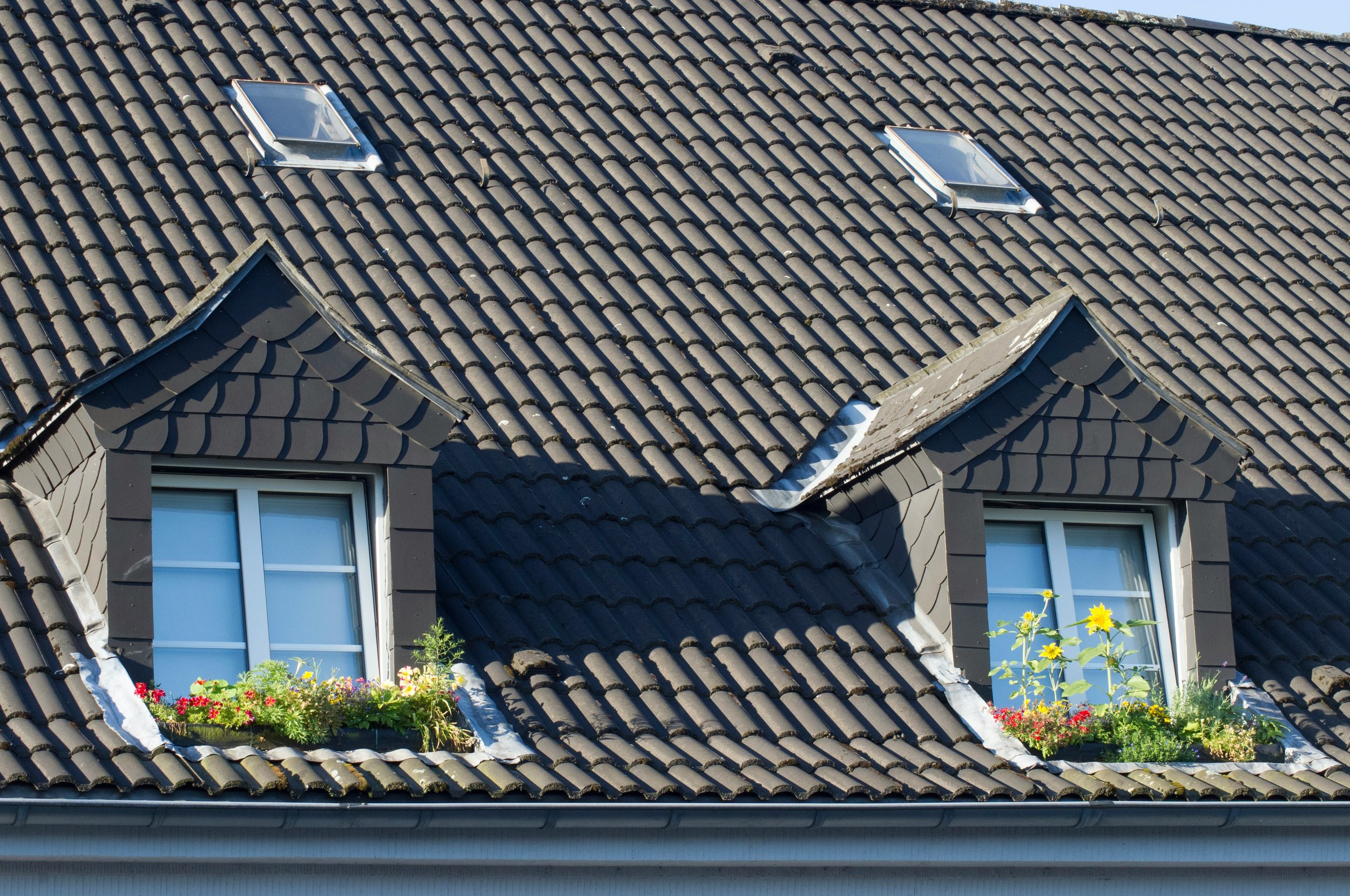
When homeowners think about improving their living environment, they often focus on interior upgrades like updated kitchens, fresh paint, or new flooring. Yet one of the most impactful investments a homeowner can make sits quietly overhead, rarely given a second thought until something goes wrong. A well-maintained, properly installed roof does far more than keep rain out. It regulates indoor temperature, protects air quality, supports structural integrity, and contributes meaningfully to the overall health and safety of everyone inside. Understanding the full value of a quality roof can help homeowners make smarter, more proactive decisions about one of their property's most critical components.
The Roof as a First Line of Defense Against the Elements
A roof is essentially a home's primary shield against the natural world. Wind, rain, UV radiation, extreme heat, and moisture are constantly working to compromise the materials that make up a building's structure. When roofing materials are aging, improperly installed, or left without routine maintenance, gaps and vulnerabilities develop. Water infiltration is among the most destructive forces a home can face. Even minor leaks, left unaddressed, can lead to wood rot, weakened framing, and significant damage to insulation and drywall over time.
Beyond structural concerns, moisture intrusion creates ideal conditions for mold and mildew growth. These biological contaminants can spread through a home's ventilation system and affect indoor air quality in ways that have real consequences for respiratory health. Homeowners who invest in quality roofing materials and professional installation are taking a proactive step toward protecting their household from these hidden risks before they escalate into costly repairs or health concerns.
Energy Efficiency Starts at the Top
The relationship between a home's roof and its energy consumption is stronger than many people realize. A roof that is properly insulated and ventilated plays a central role in regulating indoor temperatures throughout the year. In hot climates, a roof that absorbs and retains heat forces air conditioning systems to work harder, driving up energy bills and increasing wear on HVAC equipment. Conversely, a roof with adequate insulation and reflective properties helps maintain cooler interior temperatures naturally.
Cool roofing materials, improved attic ventilation, and high-performance insulation are all strategies that contribute to meaningful reductions in household energy use. According to ENERGY STAR, energy-efficient roofing products can lower roof surface temperatures significantly, reducing the amount of heat transferred into a building and helping homeowners cut cooling costs over time. For homeowners in warm coastal regions, this is not a minor consideration. The cumulative savings on energy bills over the lifespan of a well-designed roof can be substantial, often offsetting a significant portion of the initial investment.
Regional Climate Demands Thoughtful Roofing Choices
Not all roofing solutions are created equal, and the best choice for a home in the Pacific Northwest will differ considerably from what makes sense in Southern California. Local climate, typical weather patterns, sun exposure, and even proximity to the coast all influence which roofing materials will perform best over the long term. In coastal communities, for example, salt air can accelerate the deterioration of certain materials, making material selection and protective coatings especially important considerations.
Homeowners in Southern California face a unique combination of intense sun, occasional heavy rain, and the ever-present risk of high winds. Those seeking expert guidance on roofing in long beach understand that working with contractors who have deep familiarity with local conditions is essential. A professional who knows the regional environment can recommend materials and installation techniques that are specifically suited to withstand the demands of that particular climate, extending the roof's effective lifespan and reducing the frequency of repairs.
The Connection Between Roof Health and Indoor Air Quality
Indoor air quality is a growing area of concern for homeowners, and the roof's role in this equation is often underestimated. A compromised roof creates pathways for moisture, outdoor pollutants, and biological contaminants to enter the living space. Attic spaces that are poorly ventilated can become reservoirs for heat, humidity, and eventually mold, all of which can migrate into the conditioned areas of a home.
Proper attic ventilation, which is a function of thoughtful roofing design, allows for the continuous movement of air through the attic space. This prevents heat and moisture from accumulating to damaging levels. When a roofing system is designed and installed with ventilation in mind, it creates a healthier indoor environment by reducing the conditions that allow mold, mildew, and excess humidity to take hold. For families with young children, elderly members, or anyone with respiratory sensitivities, this aspect of roofing quality is particularly worth prioritizing.
Long-Term Value and the Case for Proactive Maintenance
Homeowners who take a reactive approach to roof care, waiting until visible damage appears before scheduling an inspection or repair, typically face higher costs and more extensive work than those who build regular maintenance into their home care routine. Small issues like cracked flashing, missing granules on asphalt shingles, or minor gaps around penetrations are relatively inexpensive to address when caught early. Left unattended, these same issues can develop into full-scale leaks, structural damage, or the need for a complete roof replacement well ahead of schedule.
Scheduling professional roof inspections at least once a year, and after any significant weather event, is a straightforward strategy that pays dividends over time. A qualified roofing professional can identify early signs of wear, assess the condition of seals and flashing, and recommend targeted repairs that extend the overall lifespan of the system. Homeowners who document their roof's condition and maintain a record of inspections and repairs also benefit when it comes time to sell, as a well-maintained roof is a meaningful selling point in any real estate transaction.
A quality roof is not simply a construction necessity. It is an active contributor to a home's energy performance, structural integrity, indoor air quality, and long-term financial value. Homeowners who approach roofing decisions with the same care and research they apply to other major investments are better positioned to protect their property and their family's well-being for years to come. Whether planning a new installation, evaluating aging materials, or simply establishing a maintenance routine, the effort invested in understanding and caring for this critical system is effort that consistently pays off.
