
The Life Lessons Hidden in Iconic Movie Fashion
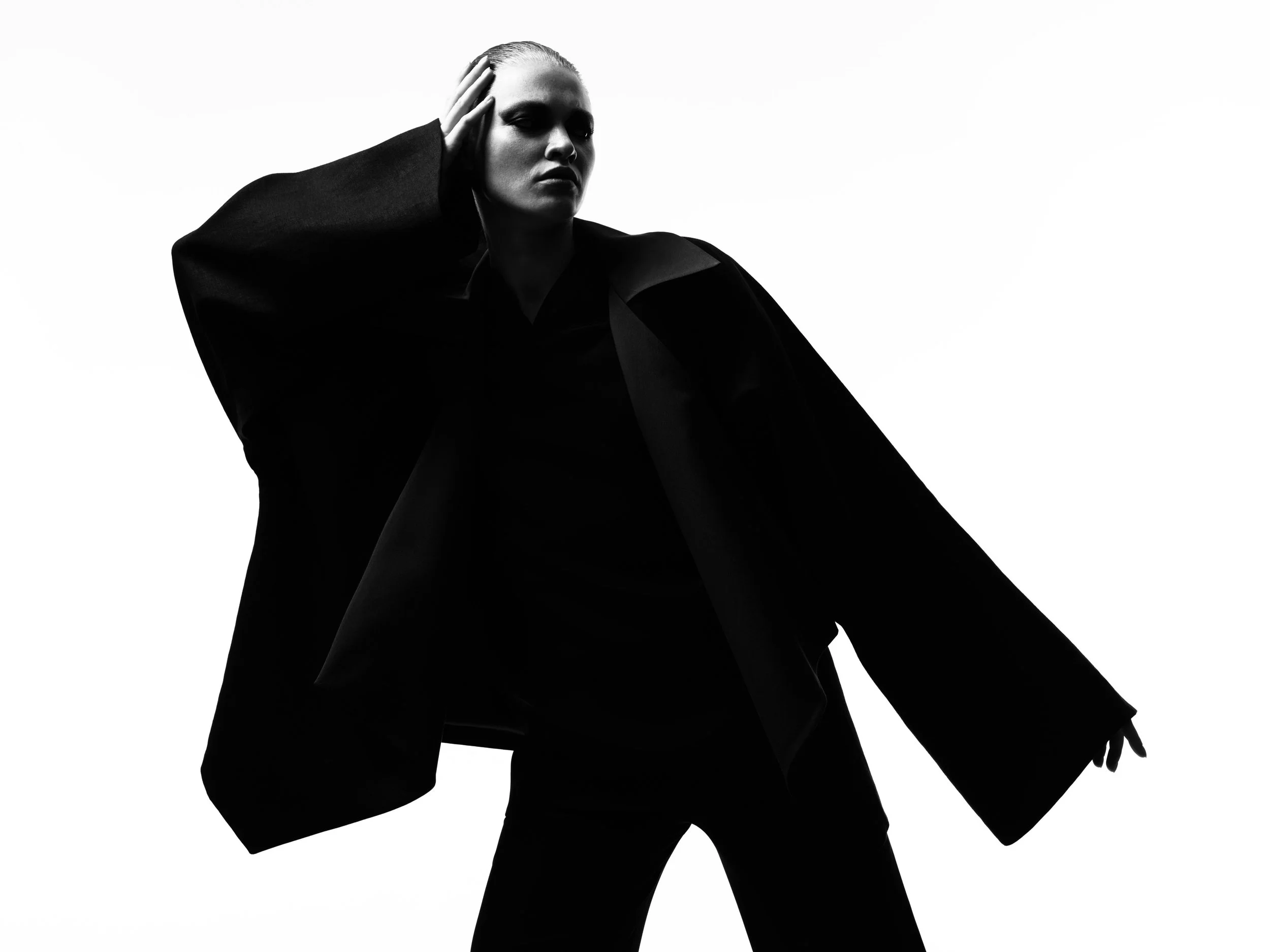
Fashion in film has always been about more than clothing. Some of the most memorable movie outfits become cultural symbols because they reflect confidence, transformation, rebellion, ambition, or individuality. From classic Hollywood glamour to modern designer wardrobes, iconic movie fashion often leaves a lasting impression long after audiences forget individual scenes or lines of dialogue.
Over the decades, films have shaped global fashion trends while teaching audiences subtle lessons about identity, self-expression, and personal growth. Characters use clothing to communicate power, vulnerability, creativity, and independence, reminding viewers that fashion is not simply about appearance. It is often connected to confidence, storytelling, and self-discovery.
Fashion Reflects Personal Transformation
One of the most common themes in movie fashion is transformation. Characters frequently use clothing as a visual reflection of personal growth and changing identity. Films such as The Devil Wears Prada, Pretty Woman, and Clueless all feature memorable fashion moments tied to characters becoming more confident or discovering who they are.
Andy Sachs in The Devil Wears Prada begins the film disconnected from the fashion world before gradually embracing a more polished and self-assured style. Similarly, Vivian Ward’s wardrobe transformation in Pretty Woman symbolized confidence and empowerment rather than simply material wealth. These films remind audiences that fashion can sometimes reflect inner growth and changing perspectives.
Confidence Often Starts with Presentation
Iconic movie characters often demonstrate how presentation can influence confidence. Audrey Hepburn’s elegant wardrobe in Breakfast at Tiffany’s remains one of the most recognizable examples of timeless cinematic fashion. The famous black Givenchy dress worn by Hepburn became a cultural symbol of sophistication and elegance.
The lesson hidden within many classic movie wardrobes is not necessarily about dressing expensively. Instead, it is about wearing clothing with intention and confidence. Whether characters wear glamorous gowns, tailored suits, or minimalist outfits, their confidence often becomes the most memorable part of the look.
Luxury Fashion in Film Represents Aspirational Style
Luxury fashion has always played an important role in cinema, helping create visually striking, aspirational worlds. Films centered around wealth, glamour, and fashion often showcase beautifully tailored clothing, designer accessories, and sophisticated silhouettes that influence real-world fashion trends.
Many viewers become inspired by elegant movie wardrobes and seek similar polished styles in their own lives. Pieces such as flowing dresses, tailored blazers, and refined separates continue to reflect the timeless appeal of luxury fashion seen on screen. Modern shoppers looking for elevated yet wearable pieces often gravitate toward tunics like these because they combine colorful sophistication with comfortable, resort-inspired design aesthetics that feel both fashionable and timeless. Movies frequently remind audiences that luxury fashion is not only about status. It can also represent craftsmanship, confidence, and attention to detail.
Individual Style Matters More Than Trends
Films also show that individuality often has a stronger impact than following temporary trends. Diane Keaton’s wardrobe in Annie Hall introduced audiences to menswear-inspired tailoring, oversized layers, hats, and ties that challenged traditional fashion expectations. The film’s style became enormously influential because it felt authentic and different.
Many iconic movie wardrobes stand out precisely because they reject conventional expectations. Characters who dress according to their personalities rather than current trends often become the most memorable style icons in film history. This idea continues to resonate today as more people prioritize personal style over rapidly changing fashion cycles.
Movie Fashion Often Shapes Real-World Trends
Cinema has influenced fashion trends for decades. Cher Horowitz’s plaid outfits in Clueless, Holly Golightly’s black dress in Breakfast at Tiffany’s, and the sleek tailoring in The Matrix all inspired major fashion movements beyond the screen. Costume designers often create styles that define entire eras or reshape public interest in certain silhouettes, fabrics, or accessories. These influences demonstrate how deeply connected film and fashion truly are. Fashion in movies often becomes part of larger cultural conversations surrounding beauty, identity, and creativity.
The lasting influence of movie fashion proves that clothing has emotional and cultural significance far beyond appearance alone. Iconic film wardrobes continue to inspire because they connect fashion with confidence, identity, aspiration, and creativity.
