
How Cinema Reflects Shifting Social Norms Around Relationships
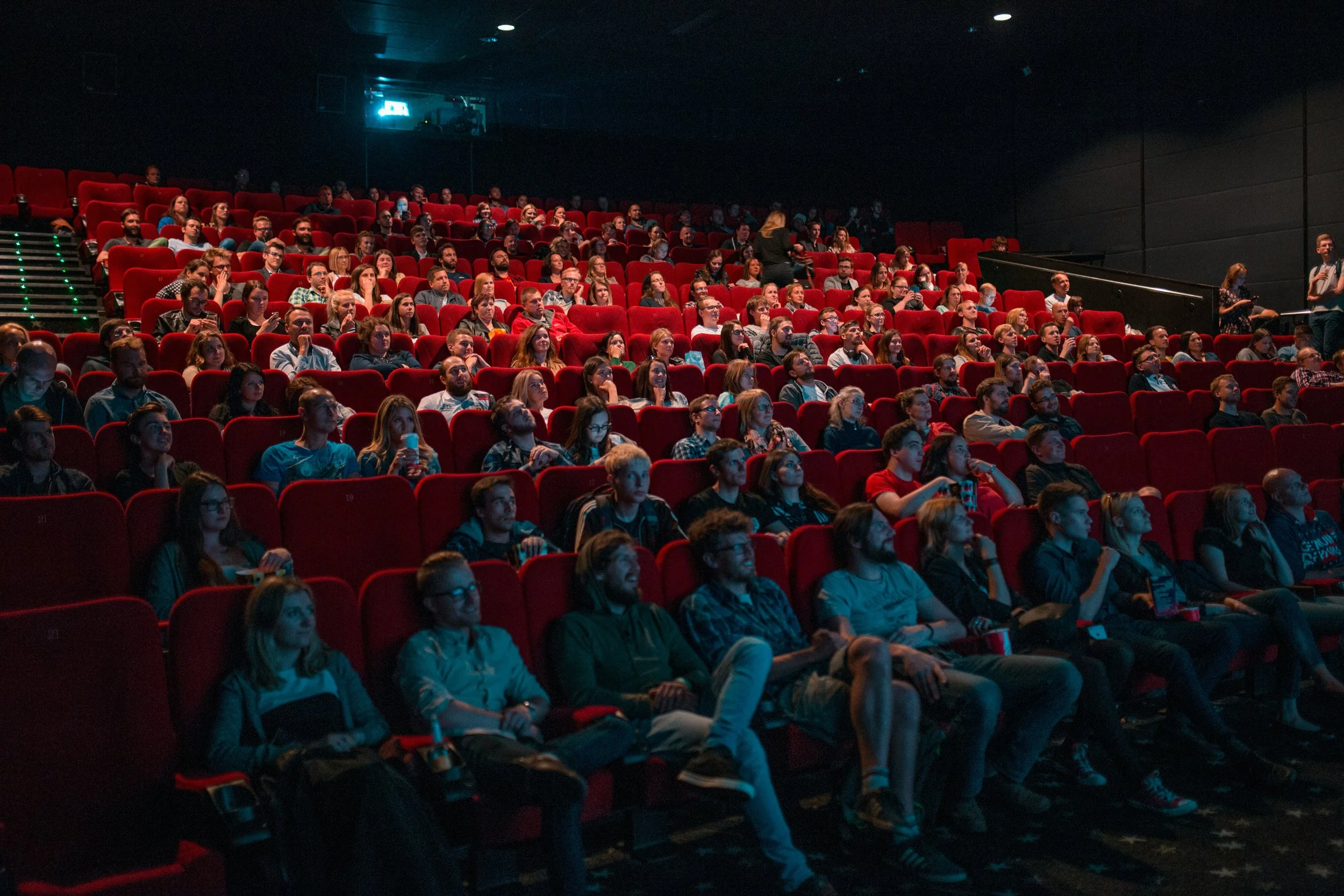
Films have always offered more than entertainment. They capture attitudes, priorities, and expectations that shape how people view relationships. Changes in society often appear on screen through character choices, dialogue, and plot direction. Audiences notice when something feels outdated or unrealistic, which pushes filmmakers to adjust how relationships are presented.
Shifts in independence, communication, and personal values all influence storytelling. Viewers expect characters to reflect real experiences rather than fixed ideals. That expectation continues to reshape how relationships are written and portrayed across genres.
Early Cinema and Traditional Relationship Roles
Classic films often followed clear rules around relationships. Characters were guided toward socially accepted outcomes, with strong emphasis on marriage, loyalty, and defined gender roles. Storylines left little room for deviation, which made narratives predictable but easy to follow.
Anyone analyzing these films should pay attention to how dialogue reinforces expectations. Male characters frequently held authority, while female roles focused on support or emotional development. That structure reflected the time period, and the values audiences were familiar with.
A useful approach involves comparing older films with modern interpretations of similar themes. Notice how character decisions differ and how conflict is handled. Looking at pacing and resolution also reveals how expectations have shifted. Films from earlier decades often tied everything together neatly, while newer productions allow more ambiguity.
Writers aiming to capture authenticity can learn from these patterns. Avoid relying on outdated assumptions and consider how audiences now respond to rigid portrayals. Authenticity comes from reflecting a broader range of perspectives.
The Shift Toward More Independent Characters
Modern films highlight individuals who prioritize personal goals and self-development. Characters are no longer defined solely through their relationships. Independence plays a larger role, which creates more dynamic storytelling.
Anyone looking to explore this shift should examine how characters balance personal ambition with emotional connections. Conflicts now stem from internal decisions rather than external pressure alone. This change allows for deeper character growth.
Focus on dialogue and pacing when analyzing these films. Conversations often reveal shifting priorities, while pacing allows space for reflection. Films that succeed in this area give characters room to make decisions that feel earned.
Writers can apply this by creating characters with clear motivations beyond romantic involvement. Strong character arcs help audiences stay engaged and invested. Avoid reducing characters to a single role within a relationship.
Complex Relationships in Modern Storytelling
Recent films present relationships with more nuance. Emotional conflict, personal boundaries, and power dynamics receive greater attention. Characters face decisions that do not always lead to clear outcomes, which reflects real experiences more accurately.
A strong way to approach this topic involves breaking down how conflict develops. Notice how disagreements unfold and how resolution is handled. Some films leave questions unanswered, which encourages viewers to think critically.
Dialogue plays a key role in building complexity. Subtle exchanges often carry more weight than dramatic moments. Writers who want to achieve this should focus on realistic interactions rather than exaggerated scenarios.
Character development should remain consistent throughout the story. Sudden changes can weaken credibility. Audiences respond better when growth feels gradual and intentional.
The Influence of Wealth, Status, and Lifestyle in Film Narratives
Films often explore how wealth and social position affect relationships. Characters navigate expectations tied to status, which can create tension or opportunity. Private lives are frequently shaped by public perception.
A closer look at this theme shows how certain industries and lifestyles are portrayed. Stories set in cities like Dallas sometimes highlight exclusive environments, where connections are influenced by financial power. Researching how these settings are depicted can provide useful insight into narrative choices.
Writers who want to present this convincingly should focus on authenticity. Dialogue, settings, and character behavior must align with the environment being portrayed. Subtle details can strengthen credibility and keep the audience engaged.
Some films reference real-world services or industries to build context. For instance, discussions around discreet companionship may appear in narratives that explore high-end lifestyles. A natural reference, such as Dallas escorts, can reflect how characters navigate private arrangements without shifting focus away from the story.
Use these elements carefully. Keep the focus on character development and avoid letting the setting overpower the narrative. Balance remains essential.
Representation and Diversity in On-Screen Relationships
Recent films show a broader range of relationships. Cultural backgrounds, identities, and personal experiences now play a larger role in storytelling. This shift allows audiences to see perspectives that were previously overlooked.
Anyone studying this area should examine how representation influences character depth. Strong representation goes beyond surface-level inclusion. It involves giving characters meaningful roles and development.
Dialogue and casting choices contribute to authenticity. Writers should aim for accurate portrayals that respect different experiences. Research supports this process and helps avoid stereotypes.
Audiences expect diversity to feel natural rather than forced. Films that succeed tend to integrate representation into the narrative without drawing unnecessary attention to it.
Technology and Modern Relationship Dynamics in Film
Technology has changed how relationships are formed and maintained. Films reflect this through messaging, social media, and digital communication. Characters interact in ways that would not have been possible in earlier decades.
A practical way to explore this theme involves looking at how technology affects pacing. Conversations may happen quickly, while misunderstandings can develop through digital interactions. These elements add new layers to storytelling.
Writers should consider how technology shapes character behavior. Decisions are influenced by access to information and constant connectivity. That can create tension or drive the plot forward.
Audience Expectations and Realism in Contemporary Cinema
Viewers expect films to feel grounded and believable. Overly simplified relationships no longer hold the same appeal. Authenticity has become a key factor in how audiences evaluate a film.
Anyone analyzing this trend should pay attention to character reactions. Realistic responses to conflict and change help maintain credibility. Films that rely on exaggerated behavior often struggle to connect with viewers.
Writers can achieve realism through careful observation. Pay attention to how people communicate and resolve issues. Incorporate those patterns into dialogue and pacing.
Take a Closer Look at How Films Shape Relationship Perspectives
Cinema continues to influence how relationships are viewed and discussed. Each era introduces new expectations, which shape storytelling choices. Paying attention to these shifts helps viewers appreciate the depth behind modern films.
Take time to watch films from different decades and compare how relationships are portrayed. Notice changes in dialogue, character development, and resolution. That awareness builds a stronger understanding of how social norms evolve through storytelling.
Exploring these patterns offers a more informed viewing experience. It also provides valuable insight for anyone interested in writing or analyzing films.
