7 Things Movies Teach Us About Fantasy, Reality, and AI Tools
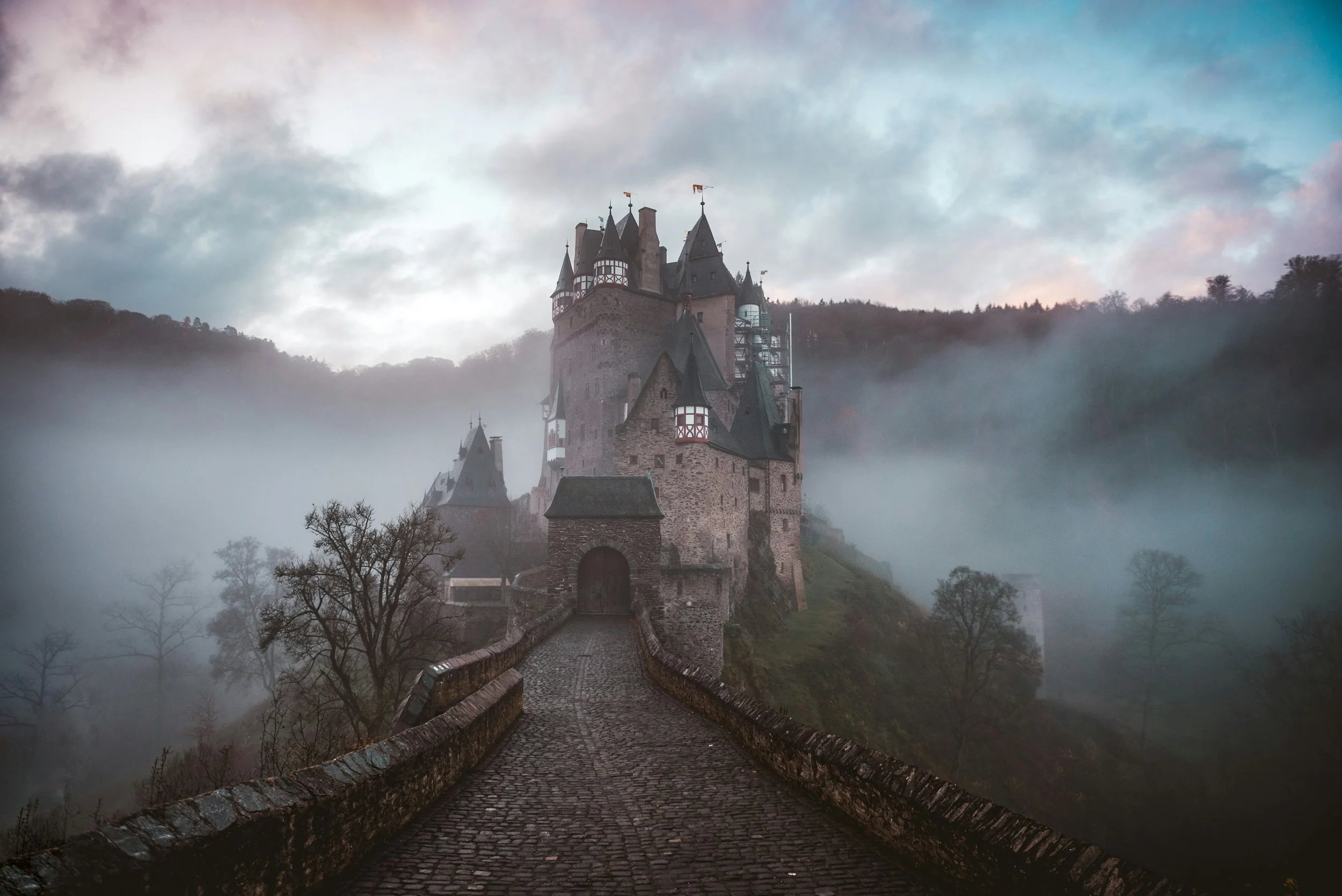
Photo by Cederic Vandenberghe on Unsplash
Movies have always helped people explore fantasy. A film can take us into a superhero universe, a romantic dream, a dystopian future, a detective story, or a completely imaginary world. We know the story is not real, but we still feel something real while watching it.
That is part of the magic of cinema.
Today, AI tools are creating a similar tension between fantasy and reality. People can generate images, create avatars, edit photos, talk to AI characters, and build private digital experiences that feel personal and convincing. Some of these tools are creative and harmless. Others raise difficult questions about privacy, identity, consent, and how easily fantasy can be mistaken for truth.
Movies can teach us a lot about how to use these tools with better judgment. Here are seven lessons worth remembering.
1. Fantasy Can Be Powerful Without Being Real
Movies work because viewers agree to enter a fictional world. We know the actor is not really a superhero, the spaceship is not really flying, and the monster is not really in the room. Still, the emotional experience can feel meaningful.
AI tools can work in a similar way. A fantasy image, AI avatar, or fictional character can be entertaining even when everyone understands it is not real.
The problem starts when fantasy is presented as reality. If an AI-generated image is shared as if it were a real photo, it can mislead people. If a realistic edit involves another person without their consent, it can cause harm.
The lesson from movies is simple: fantasy is healthiest when the audience knows it is fantasy.
2. Every Illusion Needs Boundaries
Film sets are built around boundaries. Actors know the scene. Directors know the script. Visual effects artists know what they are creating. Even when a movie shows danger, romance, violence, or fantasy, it is supposed to happen inside a controlled creative process.
AI tools also need boundaries.
When people use image tools, chatbots, or digital fantasy platforms, they should understand what is acceptable and what crosses a line. This is especially important with personal images. Tools such as undress ai show how advanced image transformation has become, which means users need to think carefully about privacy, consent, and whether an edit should exist at all.
A tool may be digital, but the people affected by it are real.
3. Consent Matters Behind the Scenes
In movies, consent is part of the production process. Actors agree to roles, scenes, costumes, makeup, camera angles, and contracts. When boundaries are ignored, the damage can last long after filming ends.
That lesson applies directly to AI.
If an AI tool uses a real person’s image, voice, name, or likeness, consent matters. A person’s photo should not be treated as raw material for someone else’s fantasy. Public social media photos are still connected to real people with real reputations and emotions.
A category like undress ai makes this especially important. Even if an edited image is artificial, it can still embarrass, sexualize, or misrepresent a real person. The safest rule is clear: use only your own images, or images you have explicit permission to edit.
Fantasy does not remove responsibility.
4. What Looks Real Is Not Always True
Movies train us to believe what we see, even when we know it was staged. Lighting, editing, music, costumes, and effects can make a fictional scene feel completely convincing.
AI-generated content can do the same online.
A photo may look realistic but be synthetic. A face may look familiar but be generated. A scene may seem natural but be created from prompts. A body, outfit, background, or expression may have been changed.
This is why digital literacy matters. Viewers should learn to pause before believing or sharing striking images. Look at the source. Check for visual errors. Ask whether the image has context. If something seems too perfect, dramatic, or convenient, it may deserve a closer look.
Movies remind us that realism is a style, not proof.
5. Private Fantasy Can Still Create Public Consequences
Many movie plots begin with a secret. A hidden identity, a private choice, a risky decision, or a fantasy that spills into the real world. The lesson is often the same: what feels private in the moment can have consequences later.
AI tools create a similar risk.
A user may think an AI-generated image, adult fantasy, or private experiment will stay hidden. But files can be saved, screenshotted, leaked, shared, hacked, or taken out of context.
Platforms such as nakedly ai are part of a wider trend where AI image tools can produce highly personalized visual content. That makes privacy decisions more important, not less. Users should think before uploading personal images, saving sensitive outputs, or creating content they would not want exposed.
The internet has a long memory. Private choices do not always stay private.
6. Technology Is Never Just About Technology
In science fiction movies, the main problem is rarely the machine itself. The real conflict usually comes from how people use it. A powerful invention can help, harm, connect, isolate, protect, or exploit depending on human choices.
AI tools are the same.
An image generator can help artists brainstorm. A photo editor can improve a picture. A chatbot can entertain. A translation tool can make communication easier. But the same technology can also be misused to deceive, harass, manipulate, or invade privacy.
The ethical question is not only “Can this tool do it?” The better question is “Should I use it this way?”
Movies often show us that power without judgment leads to problems. AI is no different.
7. The Best Stories Respect the Human Behind the Image
The most memorable films are not just about effects. They are about people. Even in fantasy worlds, audiences care because characters have emotions, dignity, choices, and consequences.
That is the final lesson for AI tools.
Behind every real photo is a real person. Behind every face is an identity. Behind every private image is a boundary. AI should not make users forget that.
If a tool involves fictional characters, fantasy worlds, or original creations, the risks may be lower. But when real people’s images are involved, respect has to come first. Do not use AI to create humiliating, intimate, misleading, or harmful content about someone without permission.
The human being matters more than the visual result.
Final Thoughts
Movies have always helped us explore the line between fantasy and reality. They show us that illusions can be beautiful, exciting, emotional, and meaningful. But they also remind us that powerful images can influence what people believe.
AI tools are bringing that same lesson into everyday life.
They can help people create, imagine, edit, and explore. But they also require responsibility. Users should protect privacy, respect consent, question realistic images, and remember that fantasy should not become real-world harm.
The best approach is not to reject every AI tool. It is to use them with the same awareness that good movies ask from us: understand the difference between illusion and truth, and never forget the people behind the story.
