
When Movies and Games Share the Same Hero’s Journey

Image: https://unsplash.com/photos/yellow-neon-light-signage-zEawlLdVloo
Stories That Train Us to Play, Not Just Watch
Movies and video games may look like different worlds, but at their core, they tell remarkably similar stories. Both invite us into journeys filled with challenges, growth, and defining moments. When we watch a film, we emotionally follow the hero’s path; when we play a game, we step directly into it. This shared structure explains why lessons from movies often feel instantly relevant to gamers and esports fans.
Every meaningful story begins with a call to adventure. In films, this moment pushes the character out of comfort and into uncertainty. In games, it is the tutorial level, the first mission, or the opening match that signals growth is about to begin.
Skill, Practice, and the Power of Repetition
Movies often compress time, showing a character struggle, train, and improve in a matter of minutes. Behind those scenes, however, lies a powerful lesson: mastery is built through repetition. Whether it is a fighter learning discipline or an underdog team finding rhythm, progress comes from showing up again and again.
Video games make this lesson explicit. Players fail, retry, and adapt until skill replaces confusion. This mirrors real-life growth, reminding us that losing is not proof of weakness but evidence of learning. The screen may change, but the lesson stays the same.
From Cinematic Battles to Competitive Arenas
Many modern films blur the line between cinema and gaming with fast pacing, strategic conflicts, and visually immersive worlds. These elements resonate strongly with esports culture, where focus, preparation, and timing define success. Platforms that explore gaming culture and competitive ecosystems, such as https://spacehills.net/, reflect this overlap by highlighting how digital competition has become its own form of storytelling.
What movies and esports share is intensity. The pressure of a final boss fight or championship match carries the same emotional weight as a climactic movie scene. In both, the outcome feels earned because effort came first.
Teamwork: The Unsung Hero of Great Stories
While many films focus on a single hero, the most memorable stories emphasize teamwork. From heist movies to sports dramas, success rarely comes from one person alone. Each character brings a unique strength, and progress happens when those strengths align.
In team-based games and esports, this lesson is unavoidable. Coordination, trust, and communication matter as much as individual skill. Movies quietly teach that greatness is often shared, not solo, reinforcing the value of collaboration both on-screen and in competitive play.
Key teamwork lessons seen in films and games include:
Understanding individual roles within a group
Trusting others during high-pressure moments
Adapting strategies when plans fail
These lessons translate seamlessly from cinema to controllers and keyboards.
Failure as Part of the Game Loop
Movies rarely shy away from showing their heroes fail before they succeed. These moments are emotional because they feel real. Failure strips away illusion and forces growth. Without it, victory feels hollow.
Games embrace this concept through design. Players are expected to fail repeatedly before improving. This loop teaches resilience in a way few other mediums can. Movies prepare us emotionally for setbacks, while games train us to respond constructively to them.
Strategy Versus Instinct
Many films highlight the tension between acting on instinct and following a plan. Characters who rush in without thinking often pay a price, while those who pause and observe gain an advantage. This contrast builds tension and delivers a clear lesson.
In competitive gaming, the same principle applies. Raw reflexes matter, but strategy wins tournaments. Knowing when to engage, retreat, or change tactics often determines success more than speed alone.
This contrast is easy to see:
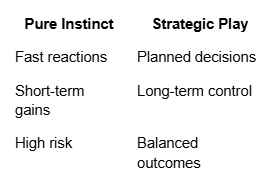
Movies reinforce that instinct is powerful, but strategy gives it direction.
Growth Beyond the Screen
One reason movie lessons resonate with gamers is that both mediums demand emotional investment. We celebrate wins and feel losses deeply. Over time, these experiences shape patience, focus, and confidence.
Games extend movie lessons by making us active participants. We do not just watch perseverance—we practice it. We do not just admire teamwork—we rely on it. This combination turns entertainment into a subtle form of personal development.
Why These Stories Stay With Us
The most powerful stories linger because they reflect who we are becoming. Movies inspire us with meaning, while games reinforce that meaning through action. Together, they teach that progress is built through effort, awareness, and resilience.
Whether we are watching a hero rise on screen or fighting through another match, the lesson remains the same: growth comes from embracing challenges, learning from failure, and staying committed to the journey. These shared lessons explain why movies and games continue to shape not just how we play, but how we live.
