
Iconic Movies That Show Thailand’s Stunning Locations
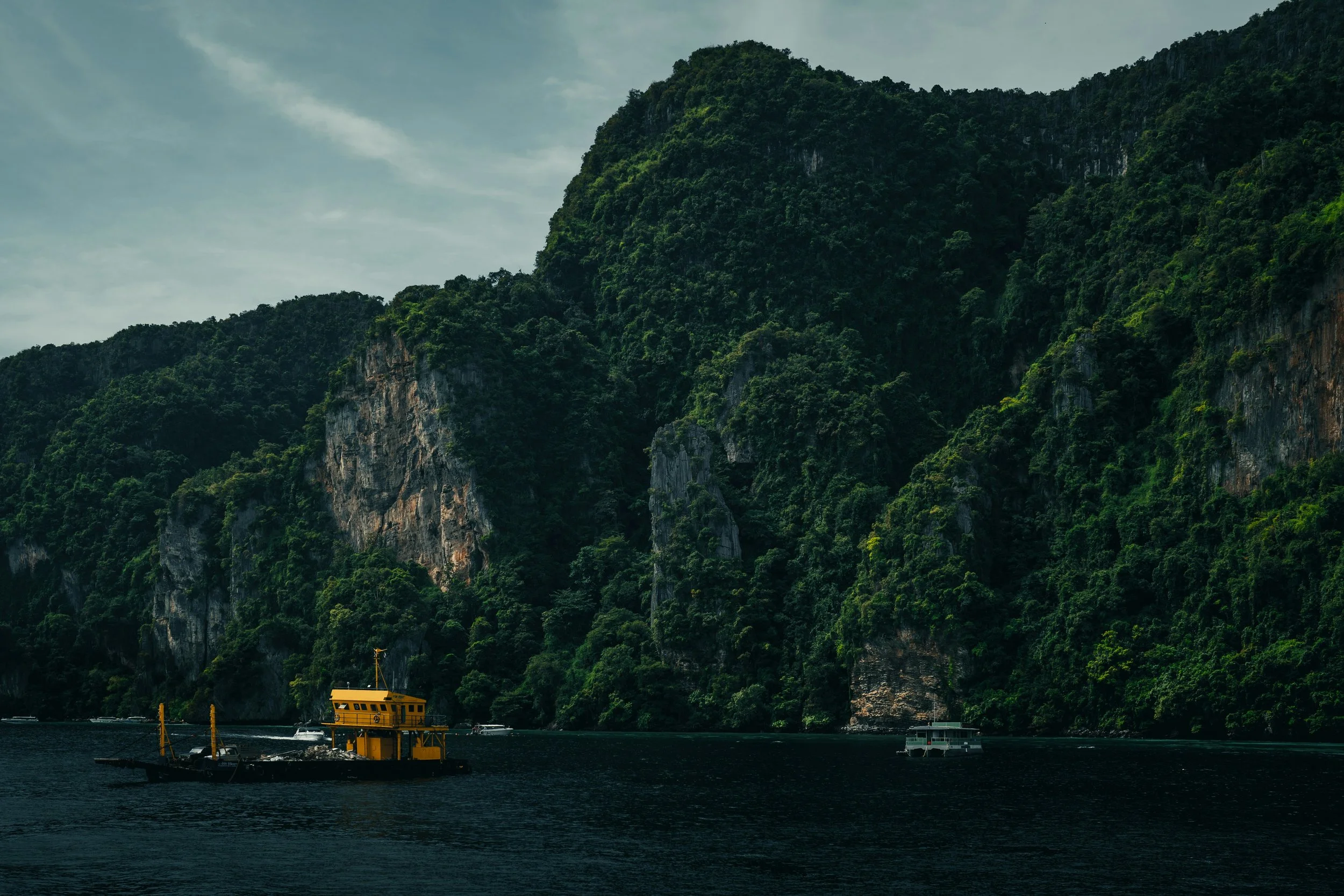
Image: https://unsplash.com/photos/a-boat-floating-on-top-of-a-lake-surrounded-by-mountains-94pbiP8HC6c
by Nancy Fernandez
Thailand: A Cinematic Paradise
Thailand has long been one of the most visually captivating countries in the world, and filmmakers have repeatedly turned to it for its dramatic landscapes, vibrant cities, and rich cultural heritage. From emerald beaches and limestone cliffs to bustling streets and ancient temples, Thailand offers cinematic settings that elevate storytelling and leave lasting impressions on audiences. Over the years, many iconic movies have showcased Thailand’s beauty, turning real locations into unforgettable film backdrops and inspiring travelers worldwide.
James Bond and the Rise of Thailand on the Big Screen
One of the most famous examples of Thailand’s cinematic appeal is The Man with the Golden Gun (1974), a James Bond classic that introduced international audiences to the dramatic limestone formations of Phang Nga Bay. The film featured the now-famous Ko Tapu island, often referred to as “James Bond Island.” The striking rock formations rising from turquoise waters instantly became iconic, proving how Thailand’s natural scenery could add mystery and grandeur to a global blockbuster.
Tropical Perfection in The Beach
Another major film that highlighted Thailand’s raw beauty is The Beach (2000), starring Leonardo DiCaprio. Shot largely on the Phi Phi Islands, the movie presented pristine white sands, crystal-clear waters, and secluded tropical coves that seemed almost unreal. Although the film sparked debates about environmental impact, it undeniably played a huge role in putting Thailand’s island landscapes on the world map. The imagery of untouched paradise resonated deeply with audiences and fueled a surge in tourism.
Bangkok and Phuket: Urban Energy Meets Island Luxury
Thailand’s cities have also played a crucial role in international cinema, particularly Bangkok. Films like The Hangover Part II (2011) showcased the city’s energetic nightlife, luxury hotels, chaotic streets, and glittering skyline. In contrast to the serene beaches seen in earlier films, Bangkok was portrayed as fast-paced, intense, and full of surprises. Beyond the capital, Phuket has emerged as a standout filming location, offering long coastlines, lush hills, and upscale resorts. Movies filmed in Phuket often use its scenic beaches and modern infrastructure to represent tropical escapes or high-stakes action settings.
Action and Adventure in Thailand’s Wild Landscapes
Action and adventure films have greatly benefited from Thailand’s diverse terrain. Rambo (2008) used northern Thailand’s jungles and rivers to create a gritty and intense atmosphere. The dense forests and remote landscapes added realism and tension to the film’s survival-driven narrative, highlighting how Thailand’s natural environments can heighten dramatic storytelling.
Dark Cinema and Stylized Storytelling
Thailand’s visual range is not limited to beauty alone—it can also set darker tones. Only God Forgives (2013) used Bangkok’s neon-lit streets, shadowy interiors, and urban back alleys to create a moody and stylized atmosphere. The city became more than a location; it functioned as a character that reflected the film’s emotional intensity and psychological depth.
Historical and Cultural Backdrops
Thailand has frequently served as a stand-in for historical settings in international cinema. Anna and the King (1999) recreated the grandeur of 19th-century Siam through elaborate sets combined with real Thai landscapes. Temples, royal architecture, and traditional design elements added authenticity, offering viewers a visually rich portrayal of Thailand’s cultural heritage.
Why Filmmakers Keep Choosing Thailand
Beyond its scenery, Thailand offers strong production advantages. Affordable filming costs, skilled local crews, and government incentives make it an attractive destination for international productions. Its ability to double as multiple global locations within a single film further enhances its appeal, allowing filmmakers to maximize creative flexibility.
The Impact of Film Tourism
Iconic movies filmed in Thailand have significantly influenced global tourism. Fans travel from around the world to visit famous filming locations, turning movie sets into must-see attractions. This cinematic exposure boosts local economies while increasing international appreciation for Thailand’s natural and cultural treasures.
Conclusion: Thailand’s Lasting Legacy in Cinema
In conclusion, iconic movies that show Thailand’s stunning locations have helped shape the country’s image as a world-class filming destination. From breathtaking islands and dense jungles to dynamic cities and historic landmarks, Thailand offers unmatched versatility for filmmakers. As global cinema continues to seek visually striking locations, Thailand’s landscapes will remain a powerful presence on the big screen.
