
Celebrity Hairstyles That Perfectly Frame Stud Earrings
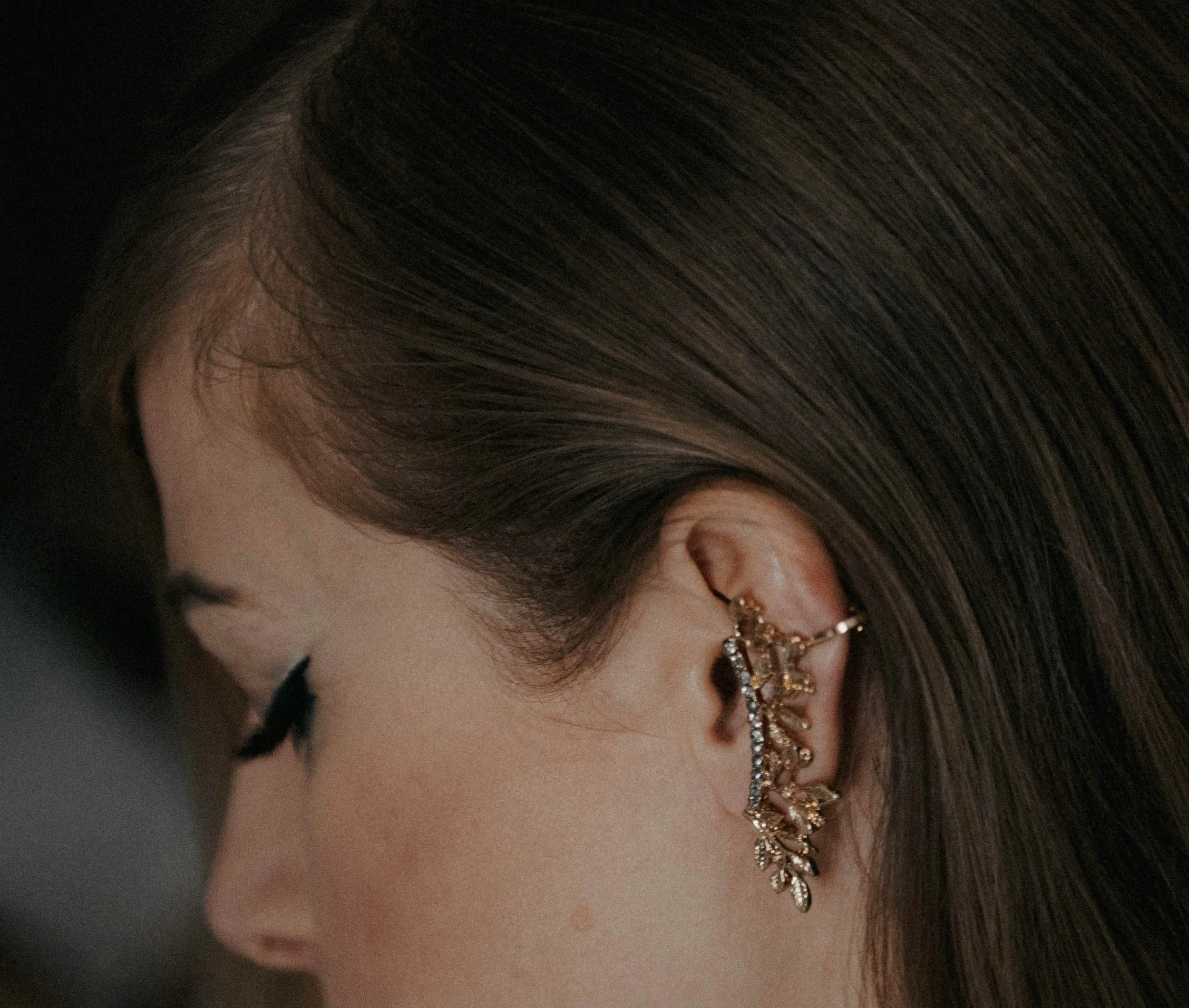
Image: https://unsplash.com/photos/a-close-up-of-a-person-wearing-a-pair-of-earrings-7VoMrvWcirE
Stud earrings look best when hairstyles keep the ear clear and the lobe visible. Simple choices like part placement, pull direction, and trim length decide how easily studs stay in view. From buns and ponytails to cropped cuts and waves, clean separation between hair and ear helps posts, settings, and backs remain visible throughout daily wear.
Visibility affects comfort, finish, and how intentional studs appear during the day. Stud size, backing style, and surface finish interact with hair shape and texture over time. Small adjustments to part depth, bun height, curl spacing, or trimming patterns reduce contact with the earring and keep the look balanced without constant readjustment or distraction later.
Slick Buns and Clean Parts
A defined side or center part with a low- to mid-level bun keeps the ear fully visible and showcases stud details. Hailey Bieber and Kendall Jenner use precise part lines to separate hair from the lobe; placing buns lower pulls hair around the ear and prevents overlap with earring backs. Limiting products near the ear preserves metal and stone finish.
When choosing stud earrings, pick post length and scale to match the exposed ear plane so the earring sits flat and feels secure. Check backs after styling to prevent pressure from tight gathers, and try slight bun adjustments to reduce rubbing while keeping the look tidy.
Soft Waves With Structure
Waves that begin below the cheekbone leave clear space around the ear and limit strand contact with the lobe. Directional shaping that moves hair away from the ear maintains visibility without flattening texture. Structured placement keeps curls controlled near the face while preserving separation around posts, settings, and studs.
Hair weight and movement influence comfort over time with this style. Looser curls can brush against the lobe as they shift, making smooth-backed settings and rounded edges more comfortable during wear. Flexible backings adapt to minor movement, while controlled curl distribution reduces uneven pressure without altering wave shape.
Pixie Cuts and Cropped Styles
Short cropped lengths stop around the ear and make the lobe the visual center, which puts studs front and center in any look. Emma Watson and Zoë Kravitz favor minimal hair coverage so a single polished stud reads as a defining accessory instead of a secondary detail. Clean shapes and glossy finishes pair best with short cuts where every facet of the setting is visible against the skin and trim edges.
Regular trimming around the ear keeps the silhouette precise and prevents stray growth from softening a stud’s outline. Flat-back posts improve all-day comfort and cut down on catches when collars or scarves brush the lobe, and choosing small to medium scales helps details stay legible during movement and daily wear.
Ponytails That Pull Focus
Mid to high ponytails lift hair above the ear, leaving the lobe unobstructed and clearly defined. Smoothing hair backward before securing the tie prevents partial coverage and keeps studs aligned. Even tension along the hairline helps maintain consistent exposure as the ponytail shifts during movement.
Changes in ponytail height alter how earrings relate to overall face shape. Higher placement elongates the vertical line, while mid-level ties create a more balanced frame. Small height adjustments refine how studs sit against the ear without changing the style, helping maintain proportion and visual clarity throughout the day.
Natural Texture and Curls
Curl density near the ear determines how much of the lobe shows and how a stud reads against textured hair. Tracee Ellis Ross and Rihanna maintain visible space by loosening curl clusters around the helix and using careful parting so strands don’t crowd the earring. Ringlets that begin a finger’s breadth from the lobe keep contrast and prevent settings from disappearing into coils.
Brighter stones and polished metals prevent studs from blending into dense coils, and settings that sit slightly proud of the lobe keep pieces visible. Maintain curl definition with light creams and brief midday reshaping, and check post length against coil thickness so studs sit flat and stay comfortable.
Hairstyle choices directly affect how stud earrings look and feel throughout the day. Clear parting, controlled pull, and intentional spacing around the ear keep studs visible and comfortable. Matching stud scale, backing style, and finish to haircut shape limits rubbing and visual loss. Across buns, waves, cropped cuts, ponytails, and curls, small adjustments make a measurable difference. Flat posts, balanced proportions, and contrast against hair texture improve clarity. A slight change in bun height, curl spacing, or part depth keeps studs aligned, readable, and easy to wear from morning through evening during extended daily use.
